

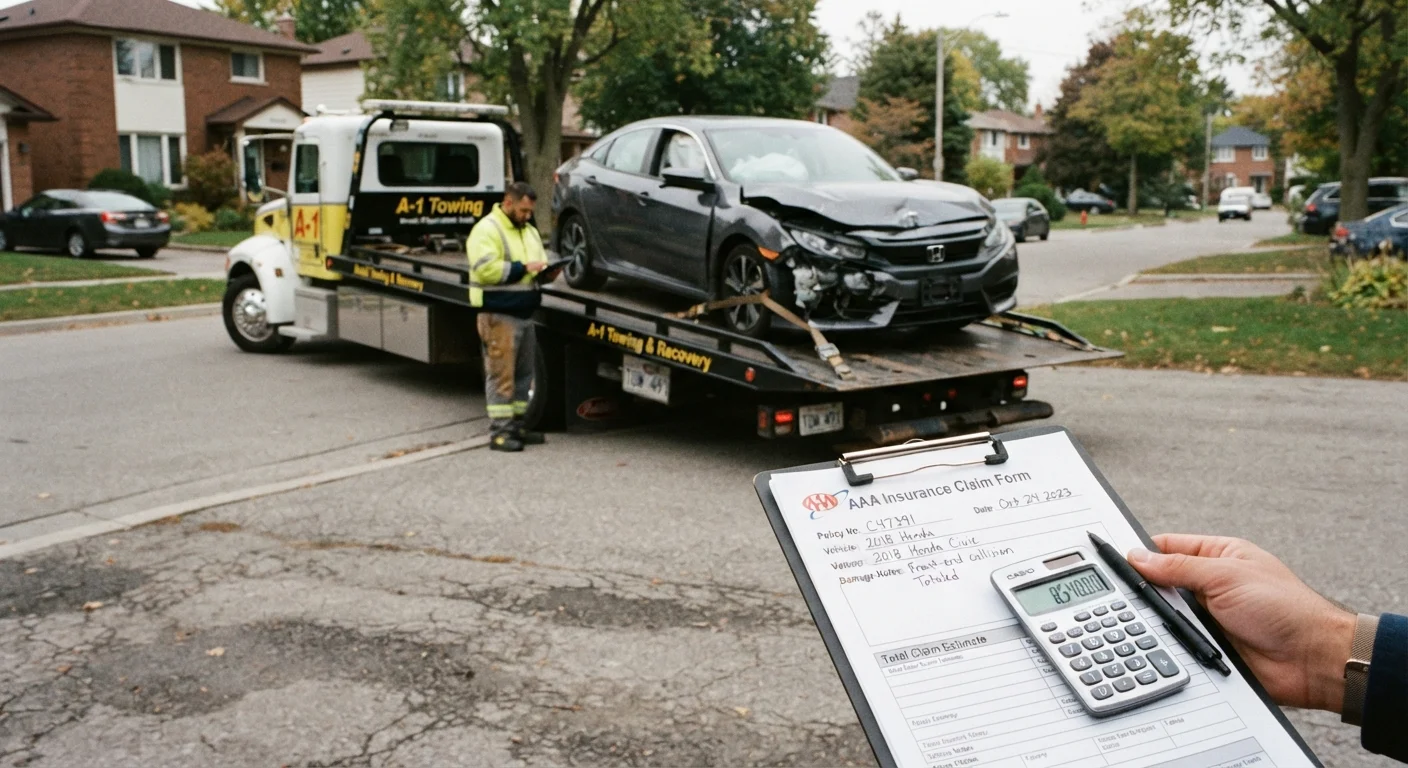
What actual cash value means in practice
Actual cash value (ACV) is the dollar amount an insurer assigns to your vehicle at the moment a covered loss occurs. The insurer takes the vehicle's replacement cost (what a comparable car costs today) and subtracts depreciation based on the car's age, mileage, condition, and local market data.
If your three-year-old sedan cost $28,000 new and has depreciated 40 percent, an ACV calculation might produce a payout around $16,800, minus your deductible. That figure could be lower than the remaining balance on your auto loan, which is why some lenders require gap coverage alongside standard ACV policies.
Insurers use tools such as vehicle valuation guides and local sale comparisons to arrive at ACV figures. Two insurers may produce different numbers for the same car, and policyholders who disagree with an insurer's ACV calculation generally have the right to request an appraisal under their policy's dispute process.
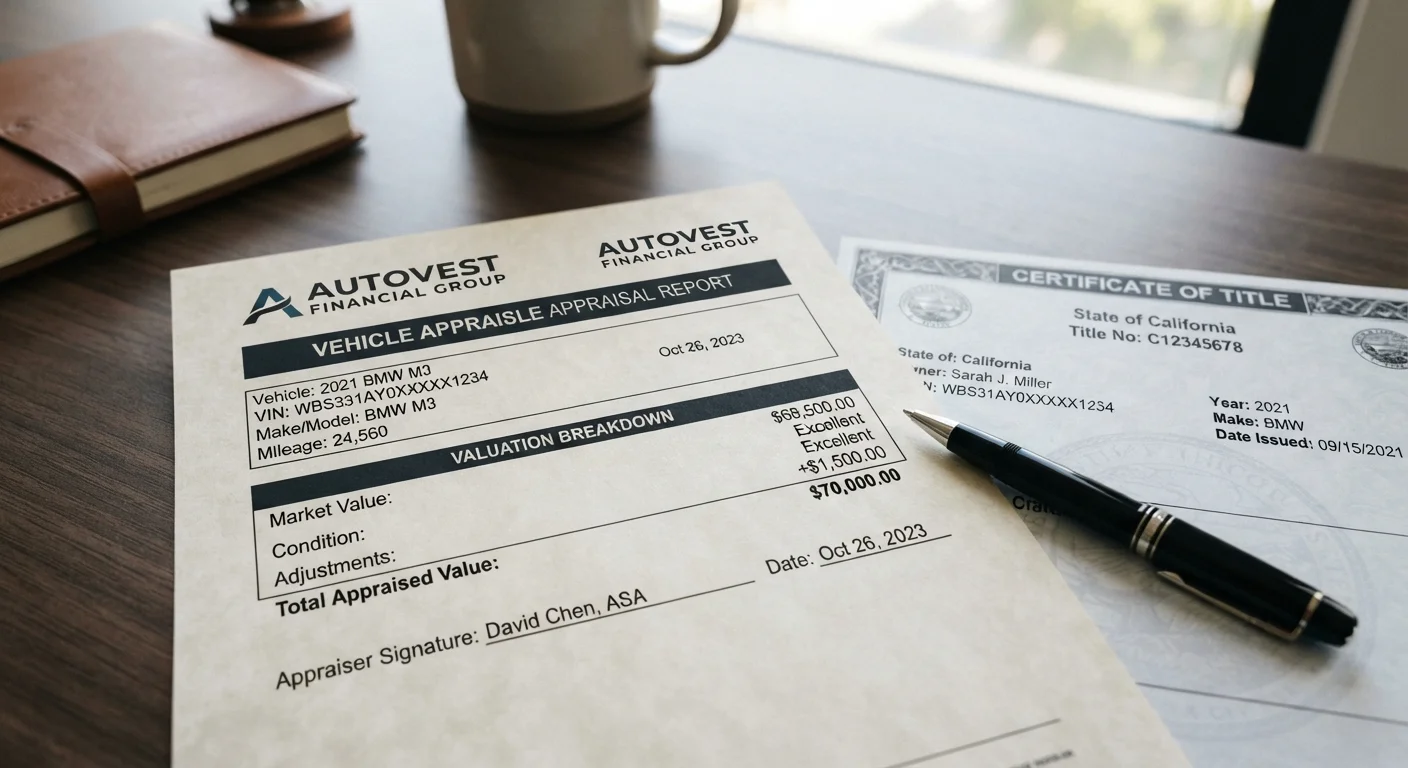
How agreed value works differently
Agreed value coverage sets a fixed payout amount before the policy period begins. The insurer and the owner review documentation, typically including a professional appraisal and photographs, and both parties sign off on a dollar figure. If the vehicle is declared a total loss during the policy term, the insurer pays that agreed amount in full, with no depreciation deducted at claim time.
This method is common for classic cars, collector vehicles, and heavily customized builds where standard depreciation schedules do not reflect what the vehicle is actually worth. A fully restored 1967 muscle car, for example, may have increased in value since its original purchase, which an ACV formula would not capture.
Agreed value policies are not widely available from standard carriers and usually come from specialty insurers or specialty divisions. Annual mileage limits and storage requirements are common policy conditions, so the coverage terms deserve close review before purchase.
Stated value is not the same as agreed value
Some policies use the term 'stated value,' which sounds similar but works differently. Under a stated value policy, the insurer may pay the stated amount or the ACV, whichever is lower at the time of loss. This means depreciation can still reduce your payout. If guaranteed recovery of a set amount matters to you, confirm in writing that the policy uses agreed value, not stated value.
Side-by-side comparison
The table below outlines the main differences between ACV and agreed value coverage across the criteria most relevant to a total loss scenario.
| Criterion | Actual Cash Value | Agreed Value |
|---|---|---|
| Payout basis | Replacement cost minus depreciation | Fixed amount set at policy inception |
| Depreciation applied at claim | Yes | No |
| Typical premium cost | Lower | Higher |
| Appraisal required upfront | No | Yes |
| Availability | Standard; widely available | Specialty carriers; limited |
| Best vehicle type | Standard, everyday-use vehicles | Classic, collector, or customized vehicles |
| Gap coverage needed | Often, if a loan exists | Rarely; payout is pre-agreed |
The gap problem and when it matters
The most practical risk with ACV coverage surfaces when a car is totaled and the payout falls short of the loan payoff amount. This gap is more likely in the early years of a loan, when depreciation is fastest and the outstanding balance is still high.
Gap insurance (also written as guaranteed asset protection) is a separate add-on that covers the difference between an ACV payout and the remaining loan or lease balance. It does not apply to agreed value policies because the pre-set payout is designed to eliminate that shortfall from the start.
For drivers financing or leasing a vehicle, understanding which valuation method applies, and whether gap coverage is included or available, is worth confirming with the insurer before the policy is finalized.
This article provides general information about auto insurance concepts and is not personalized insurance, financial, or legal advice. Coverage terms, exclusions, and payout calculations vary by insurer and by state. Read your actual policy documents and speak with a licensed insurance agent or advisor about your specific situation. Coverage availability and eligibility are not guaranteed.