
Why your premium can rise without an obvious trigger
Many drivers expect their auto insurance rate to change only after an accident or a moving violation. In practice, insurers review a wider set of signals at each renewal, and several everyday life changes can push a premium higher without any incident on the road.
Factors that shape your premium include location, credit data, household drivers, and coverage history, not just your driving record. Because most of these factors are re-evaluated at renewal, a rate increase can appear without a clear explanation on your bill. The mistakes below cover the most common sources of surprise increases and what you can do about each one.

Common mistakes that push your rate higher
Each of the following situations is something drivers regularly overlook. Understanding why each one affects pricing can help you avoid the increase or, at minimum, understand it when it appears.
Letting your coverage lapse, even for a short period.
Why it happens: Drivers sometimes cancel a policy before securing a new one, skip a payment during a tight month, or assume coverage continues during a vehicle sale.
Moving to a new address without updating your insurer right away.
Why it happens: Drivers focus on the logistics of moving and may not think of their auto policy as time-sensitive.
Adding a newly licensed or high-risk driver to your household without reviewing the impact first.
Why it happens: State law and most insurer policies require that all licensed household members be listed on your policy, so the addition feels like a formality rather than a pricing decision.
Ignoring changes to your credit-based insurance score.
Why it happens: Many drivers are unaware that insurers in most states use a credit-based insurance score (a score derived from credit data but separate from a standard FICO score) when calculating premiums.
Using your personal vehicle for rideshare, delivery, or other business purposes without telling your insurer.
Why it happens: Drivers assume their existing policy covers all trips taken in their own car.
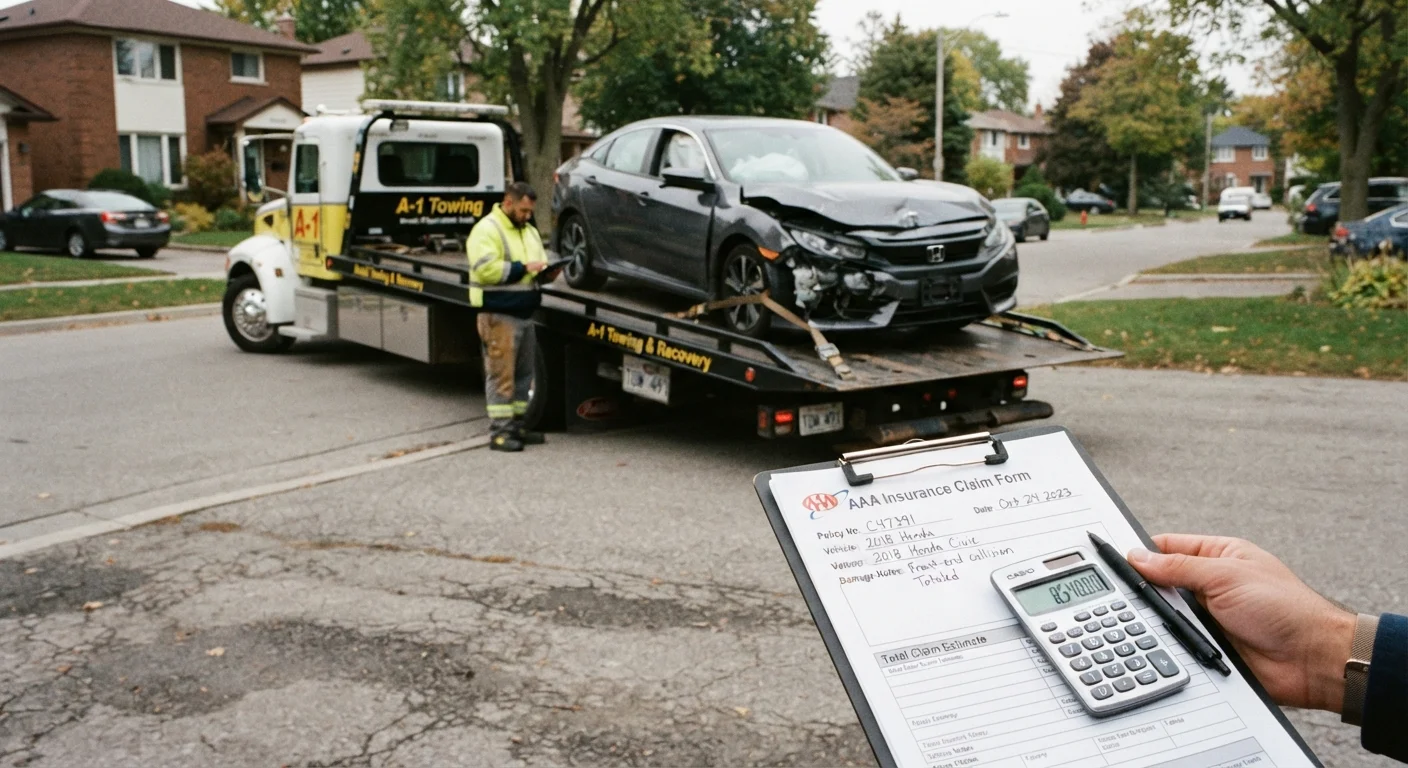
Filing multiple small claims in a short period.
Why it happens: Drivers pay premiums partly to use coverage, so filing claims for minor damage feels reasonable.
Policy changes mid-term can have costs
Some insurers charge fees for mid-term policy changes, including address updates and driver additions. Ask your carrier whether a change triggers a fee or a full re-rating before you request it. Either way, failing to report a material change is generally worse than reporting it promptly.
This article is for general informational purposes only and does not constitute personalized insurance, financial, or legal advice. Coverage terms, rates, and regulations vary by insurer and by state. Read your policy documents carefully and speak with a licensed insurance agent about your specific situation.