
Why safety ratings are model-specific, not brand-wide
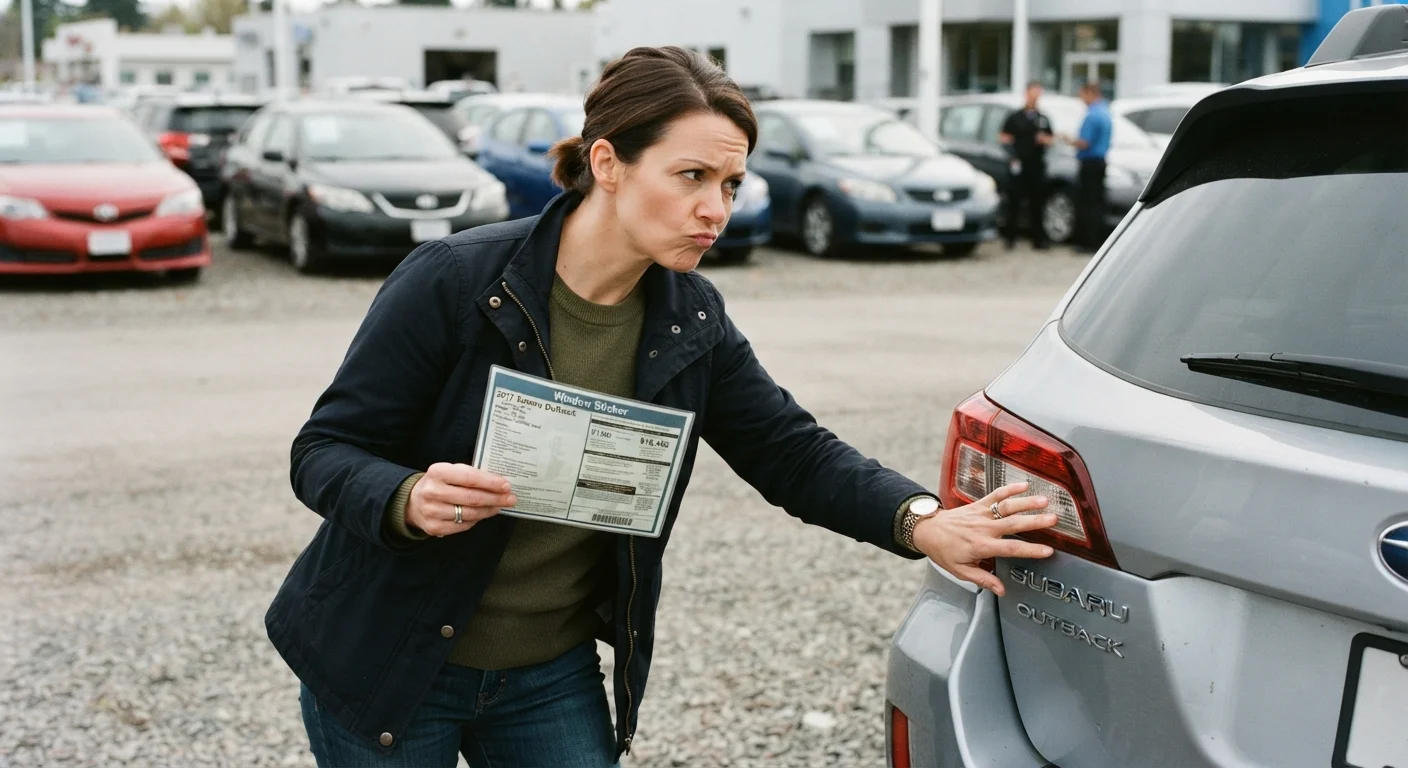
When a carmaker earns a reputation for building safe vehicles, that reputation usually comes from consistent test results across several models over several years. But neither NHTSA nor IIHS scores a brand as a unit. Every test result is tied to a specific vehicle, in a specific configuration, in a specific model year. A brand with a strong track record can still produce a particular model that scores below the segment average, and the reverse is equally true.
This matters most when you are comparing models across a brand's lineup. How brand model ranges are structured can help you understand which segments a manufacturer prioritizes, since investment in crash engineering often correlates with a brand's flagship or highest-volume lines.
Brand assumptions that derail used car purchases also explores how misreading a brand's general standing leads buyers to skip vehicle-specific research, which is where the useful data actually lives.

This article is for general informational purposes only. It does not constitute safety, legal, or purchasing advice tailored to your specific situation. Always consult official NHTSA and IIHS sources and, where relevant, a qualified automotive professional before making a vehicle decision.
How to look up ratings step by step
What you will need
NHTSA 5-Star Safety Ratings tool
Search crash test results by year, make, and model using federal government test data.
IIHS vehicle ratings search
Look up Insurance Institute for Highway Safety ratings, including Top Safety Pick and Top Safety Pick+ designations.
Vehicle identification number (VIN)
Confirm the exact trim and configuration of the car you are evaluating, since ratings can vary by trim level.
Understand what the two main programs actually test
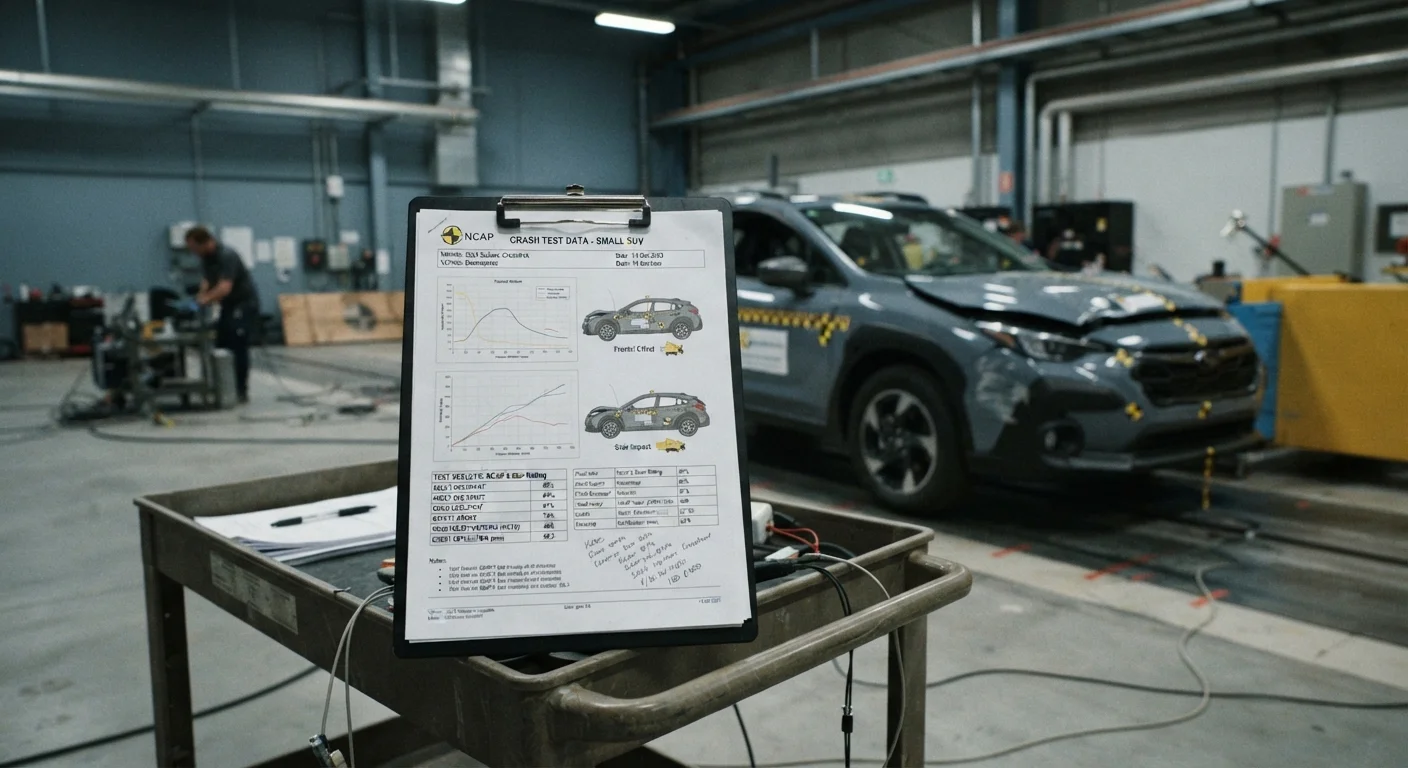
Two independent programs generate most of the safety data American shoppers encounter: the National Highway Traffic Safety Administration (NHTSA) and the Insurance Institute for Highway Safety (IIHS). NHTSA is a federal agency. IIHS is a nonprofit funded by auto insurers. Both crash test vehicles, but their methods differ.
NHTSA rates vehicles on a 1-to-5-star scale across frontal crash, side crash, and rollover resistance. IIHS uses a Good/Acceptable/Marginal/Poor rating across several crash scenarios, including a small overlap frontal test that NHTSA does not replicate. IIHS also rates headlights and front crash prevention systems separately.
Because the programs test different things, a vehicle can earn strong marks from one program and middling marks from the other. Checking both gives a fuller picture.
Search by the specific model year, not the brand name
On both nhtsa.gov and iihs.org, the search tools ask for year, make, and model. Start there, not with the brand name alone. A redesigned model often carries updated ratings that differ meaningfully from the prior generation, and a brand that has historically done well may have one model year in a particular nameplate that scored lower before a mid-cycle update.
If you are shopping for a used vehicle, the model year is the number to focus on. Common myths about used car shopping often involve assuming that a brand's current reputation applies equally to older examples of a model.
Check whether the rating applies to your specific trim and body style
NHTSA notes that ratings can differ between cab configurations on trucks and between all-wheel-drive and front-wheel-drive versions of the same car. IIHS sometimes tests only one configuration and notes whether it believes the result applies to other versions.
When you pull up a result, read the configuration listed in the test details. If the tested trim does not match the vehicle you are considering, the data is still useful as a general reference, but it is not a precise match.
Read the subcategory scores, not just the overall rating
NHTSA's overall star rating is an average across categories. A vehicle can earn 5 stars overall while scoring 3 stars in one specific test, such as side pole impact. IIHS breaks down each test type individually.
If your driving situation involves a higher likelihood of one crash type, for example highway merging at speed or parking in a dense urban area, the subcategory scores are more informative than the summary rating.
Put the brand's overall reputation in context
Some buyers look at an automaker's general standing before selecting individual models. That is a reasonable starting point, but brand-level reputation is not a substitute for model-level data. What brand reputation actually means for owners covers how reliability surveys and owner data inform that broader picture.
A brand that wins praise for its trucks may produce a compact sedan that rates differently. Brand quality myths that trip up first-time buyers addresses this pattern directly. Treat the brand's reputation as context and the model-year data as the specific evidence.