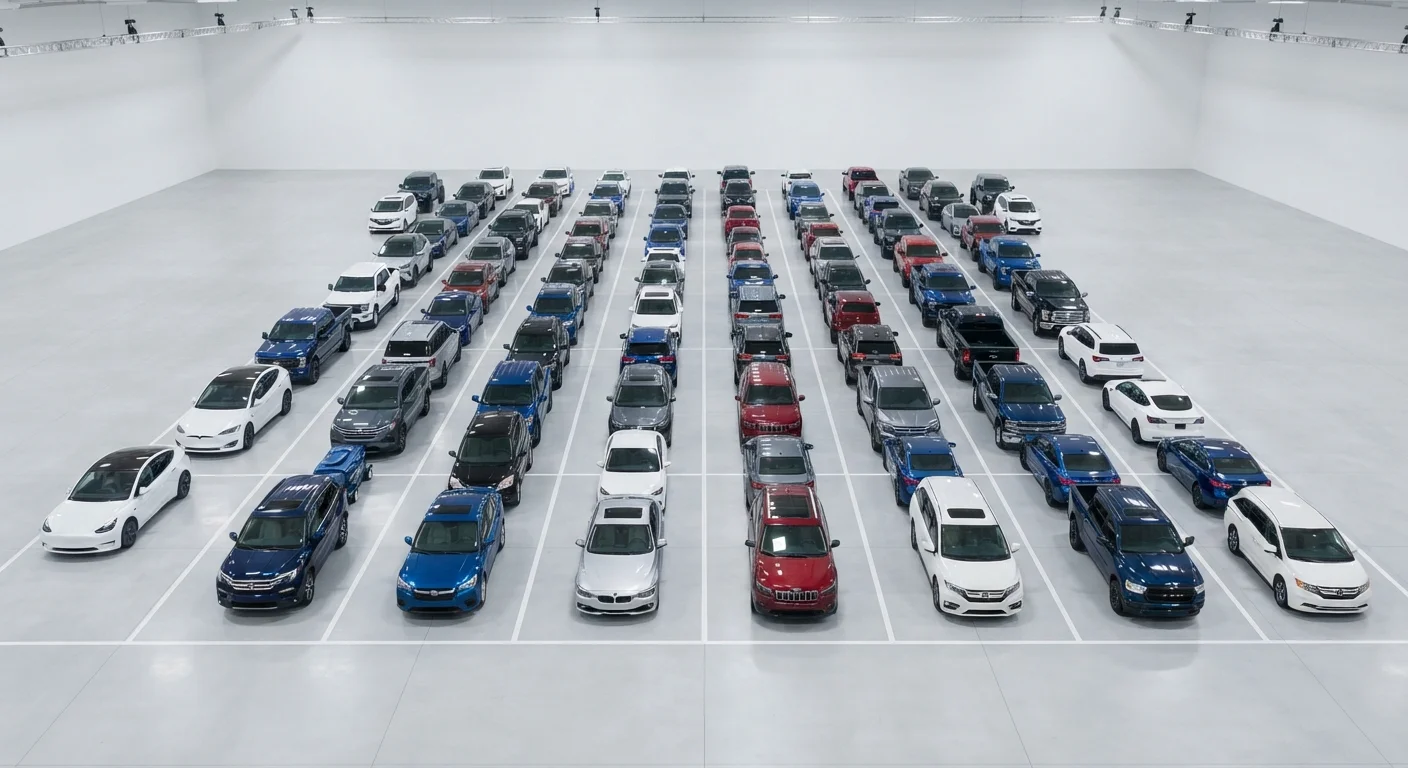


Why brand assumptions take hold
Used car shoppers in the early stages of research often start with brand names because they are the most familiar shorthand available. A neighbor swears by one manufacturer, a relative drove another for 200,000 miles without issue, and those stories carry real weight. The problem is that individual experiences and brand-level marketing both operate at too high a level to predict what a specific used vehicle will do.
Brand reputation draws on reliability surveys, sales data, and ownership reports, but those figures are averages across many model lines and model years. When a shopper applies a brand's overall score to one particular used car, they are filling in gaps with assumption rather than data. That gap is where costly surprises happen.
The mistakes below appear frequently among early-stage used car buyers. Each one follows the same pattern: a general belief about a brand substitutes for specific information about the vehicle.
Treating a brand's general reputation as a guarantee for every model it makes.
Why it happens: Automakers spend heavily on brand image, and a string of well-publicized reliable vehicles can create a halo effect that shoppers extend to the entire lineup, including weaker models.
Assuming a brand that was reliable a decade ago is still reliable today.
Why it happens: Shoppers often base trust on a positive experience with an older vehicle or a family member's long history with a brand, without accounting for redesigns, new platforms, or supplier changes that have occurred since.
Overlooking ownership costs because the brand has a budget-friendly image.
Why it happens: A low sticker price can create the impression that all costs attached to that brand will be proportionally low, but parts availability, labor rates, and maintenance intervals vary independently of purchase price.
Applying a brand's safety reputation to vehicles that have not actually been rated.
Why it happens: Shoppers hear that a manufacturer prioritizes safety and assume all of its vehicles carry the same ratings, but testing organizations rate individual vehicles, and some models within a lineup score lower than others.
Letting brand loyalty close off consideration of models that may better fit the budget.
Why it happens: Familiarity with a brand reduces perceived risk, which is a reasonable instinct, but it can lead shoppers to pay a premium for a name when comparable or stronger options exist at a lower price point.
How to check the specific vehicle instead of the brand
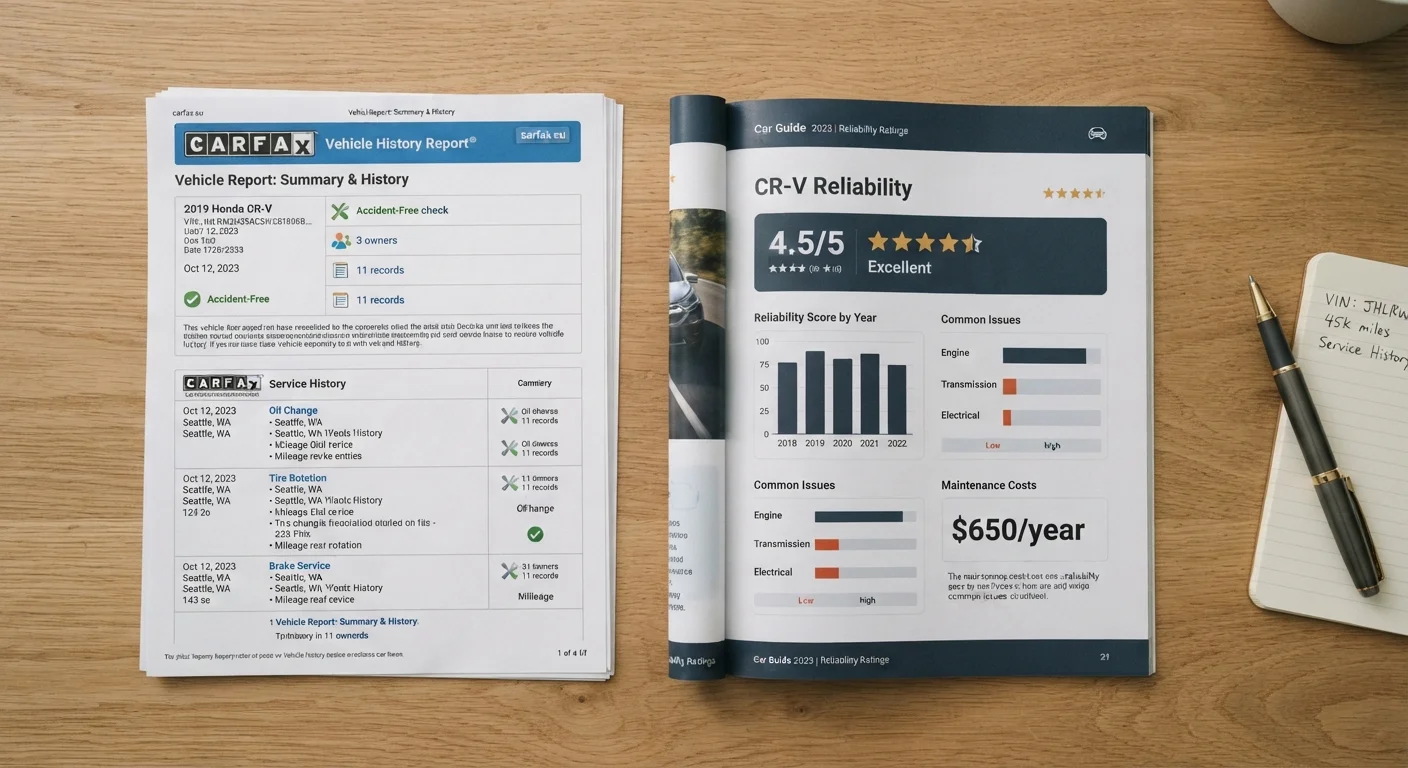
The practical alternative to brand-level thinking is model-year-level research. For any used vehicle you are seriously considering, pull reliability data for that exact model and year, not the brand overall. Then order a vehicle history report to check for accidents, title issues, and service records. Mileage alone does not tell you what a car has been through, and neither does the badge on the hood.
If the seller is a private party, an as-is sale transfers full responsibility to you at signing. Understanding what an as-is label means legally is worth doing before you get to that point, not after. A pre-purchase inspection by an independent mechanic addresses the physical condition of the car and is independent of whatever reputation the brand carries.
Financing assumptions follow similar patterns to brand assumptions. Auto loan misconceptions can affect total cost as much as a poor vehicle choice, so separating the purchase decision from the financing decision helps you evaluate each on its own terms. The used cars hub has additional guidance on evaluating pre-owned vehicles across these dimensions.
Model-year data matters more than brand averages
Aggregate brand scores can mask wide variation within a single manufacturer's lineup. A brand that scores well overall may have one or two model lines with persistent issues. Always pull data at the model and model-year level before making a purchase decision.
This article provides general educational information about used car purchasing considerations. It is not personalized financial, legal, or mechanical advice. Consult a qualified mechanic before purchasing any used vehicle, and speak with a licensed financial professional about loan terms that fit your situation.