
What brand reputation is actually built from
When people say a brand has a good reputation, they usually mean one of several things: owners report fewer problems, vehicles score well on crash tests, or the brand has a long public record of avoiding major recalls. Each of those claims comes from a different data source, and they do not always point in the same direction.
J.D. Power's Vehicle Dependability Study surveys owners of three-year-old vehicles about problems per 100 vehicles. Consumer Reports collects self-reported owner data across hundreds of thousands of vehicles. NHTSA and IIHS publish crash test results for individual models. None of these sources measures the same thing, and a brand can rank well on one while performing average on another.
What this means in practice: a brand's reputation is a composite, assembled from multiple studies with different methodologies. Treating it as a single definitive score leads to oversimplification. Common quality myths about carmakers frequently trace back to this kind of oversimplification.
Why model-level data matters more than brand-level averages
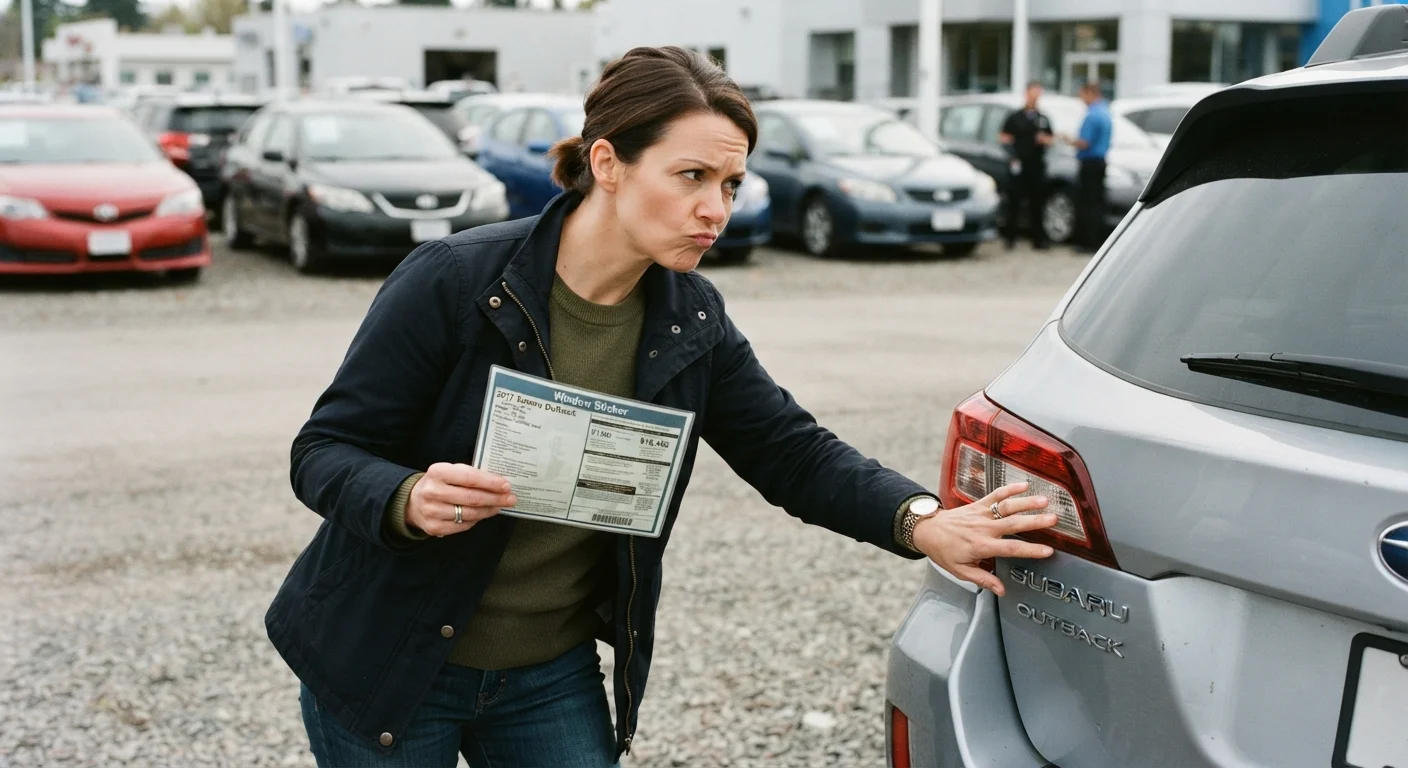
A brand's average reliability score can mask wide variation across its lineup. A manufacturer might produce a well-regarded compact sedan alongside a truck platform with a documented history of transmission problems. The brand average tells you little about the specific vehicle you are evaluating.
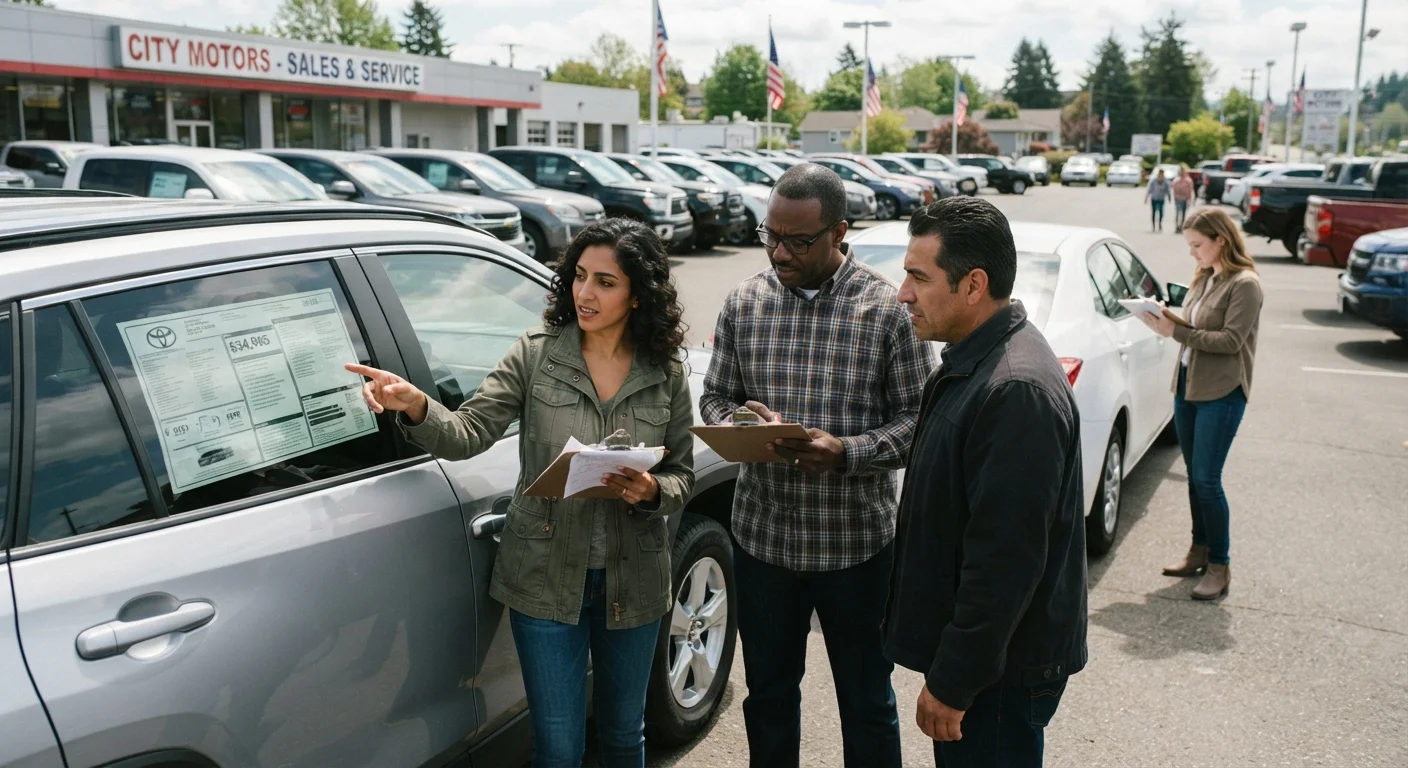
This is especially relevant for used car shoppers. A model that earned strong reviews in one generation may have been redesigned in a subsequent year with new problems. Brand assumptions that derail used car purchases often stem from applying a brand's current reputation to an older or transitional model year without checking that year's specific data.
Safety ratings follow the same logic. NHTSA and IIHS rate individual vehicles, not entire brands. Reading a brand's safety record correctly means looking up the rating for the exact model and model year, not assuming the brand's overall image transfers to every vehicle it makes.
3 years
Age of vehicles surveyed in J.D. Power dependability studies
J.D. Power's Vehicle Dependability Study measures problems reported by original owners of three-year-old vehicles, providing a picture of early real-world reliability.
300+
Problems per 100 vehicles used as industry benchmark
J.D. Power's annual dependability studies use problems per 100 vehicles (PP100) as the standard metric; lower scores indicate fewer reported problems.
2
Independent U.S. vehicle safety rating systems
NHTSA and IIHS each run separate crash test programs with different protocols, meaning a vehicle can receive different assessments from each organization.
Ownership costs as a practical measure of reputation
Reputation has a direct financial dimension. Brands with lower average repair costs and better parts availability translate to lower long-term ownership expense. RepairPal, which aggregates repair shop data across the U.S., publishes average annual repair cost estimates by brand and model. These figures are averages and vary by region, driving habits, and vehicle age, but they give a concrete reference point beyond general impressions.
Resale value is another ownership-cost factor tied to brand perception. Vehicles from brands with sustained reliability records typically depreciate more slowly, according to residual value analyses published by firms such as ALG (now part of J.D. Power). However, resale outcomes are never guaranteed and depend on the specific model, trim, condition, and local market.
Insurance costs are also loosely connected to brand reputation, because insurers consider repair costs and theft rates when setting premiums. These rates are model-specific, not brand-specific. For questions about how a specific vehicle's profile affects insurance pricing, consulting a licensed insurance agent is the appropriate step. This article provides general educational information only and is not insurance or financial advice.
For shoppers weighing whether a premium badge justifies its price, what separates luxury brands from mainstream ones in practical terms is worth examining before assuming reputation alone accounts for the cost difference.
How to use brand reputation without over-relying on it
Brand reputation is a reasonable filter at the start of a search. If multiple independent sources consistently flag a brand for high ownership costs or poor crash performance over several years, that pattern is worth noting. What it should not do is replace model-specific research.
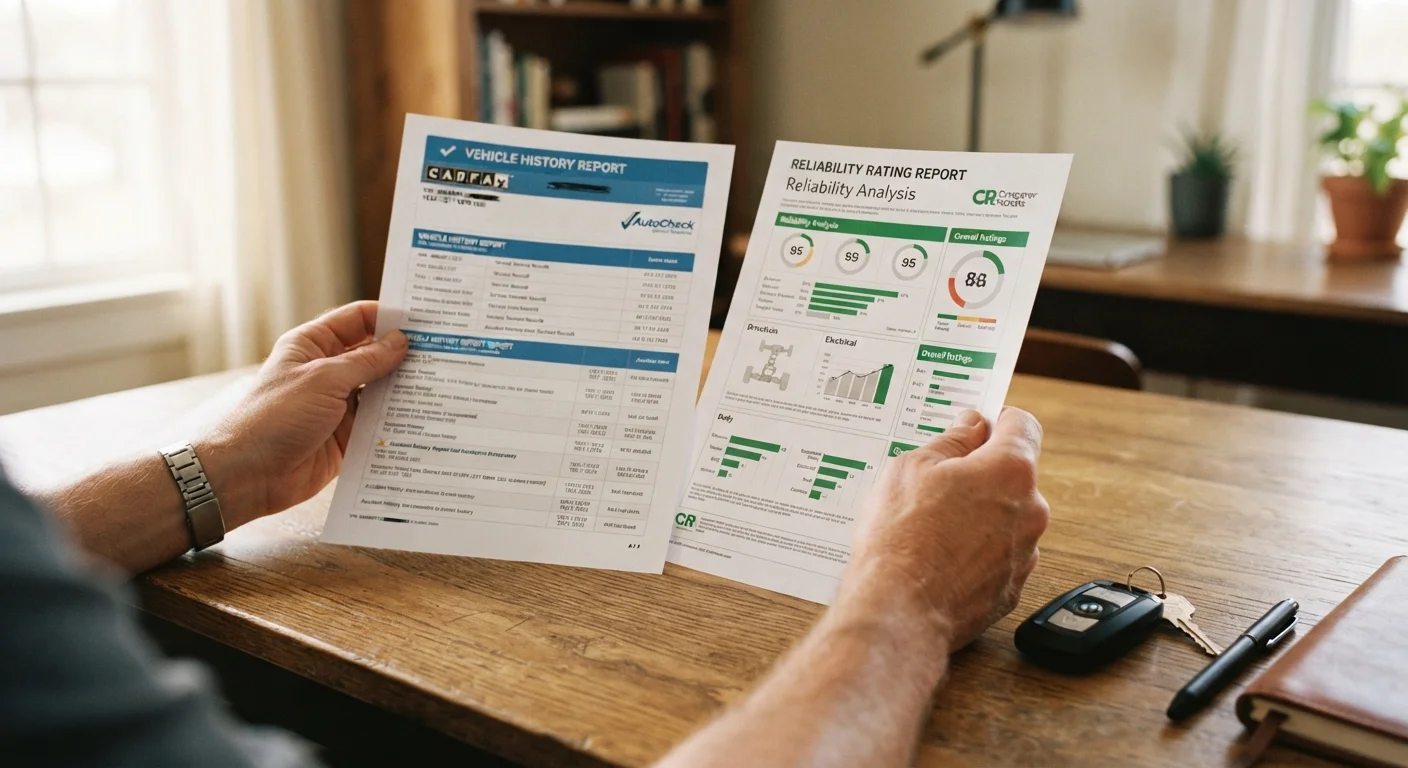
A practical approach: start with brand-level reliability rankings to narrow the field, then look up data for the specific model and model year using NHTSA, IIHS, and Consumer Reports. Check any open recalls through NHTSA's free online database. For used vehicles, a vehicle history report from a provider such as Carfax or AutoCheck adds context on accident and service records. Understanding how brands structure their model ranges can also help clarify which segment of a brand's lineup has the strongest track record.
Brand loyalty can be useful when it reflects genuine positive ownership experience, but it becomes a liability when it stops a shopper from checking whether a specific model or model year holds up to that history.
This article is for general informational and educational purposes only. It does not constitute financial, insurance, or legal advice. Coverage terms, repair costs, and resale values vary by vehicle, provider, and region. Consult a licensed professional for guidance specific to your situation.