
What the price gap actually covers
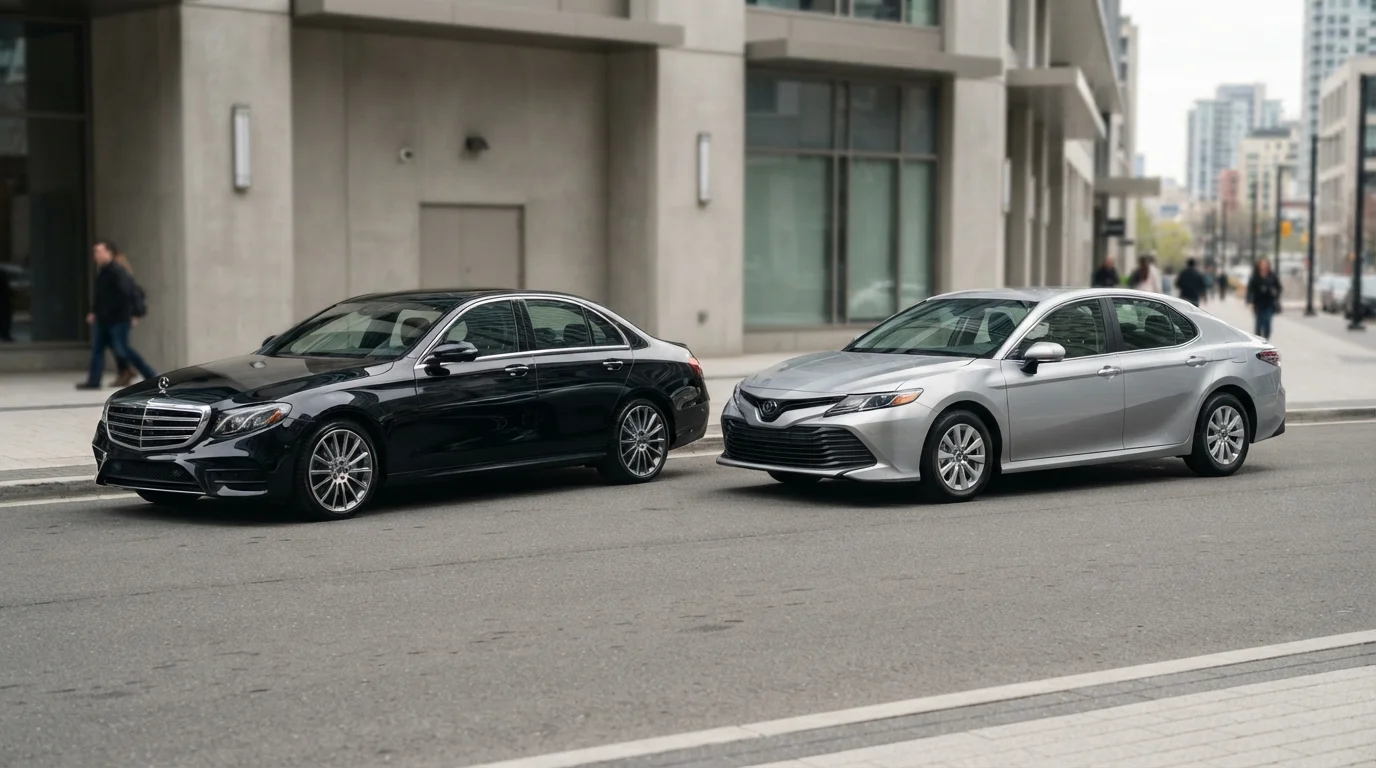
When a luxury vehicle costs $20,000 or more than a comparable mainstream model, buyers often assume they are paying for the badge alone. The reality is more layered. Luxury automakers generally use tighter body-panel tolerances, thicker sound-deadening material, and more consistent paint application. Those choices add cost in manufacturing and are reflected in the sticker price.
Powertrain calibration also differs. Many luxury models tune their engines and transmissions for a quieter, smoother response rather than maximum efficiency. That is a deliberate engineering choice, not a side effect of being expensive. Standard safety and driver-assistance features tend to arrive earlier in luxury lineups; some technologies that are options on mainstream vehicles are standard across an entire luxury range.
Brand reputation data from owner surveys shows that premium brands frequently score higher on perceived build quality, though the gap in long-term mechanical reliability is narrower than marketing implies.
Materials and technology differences
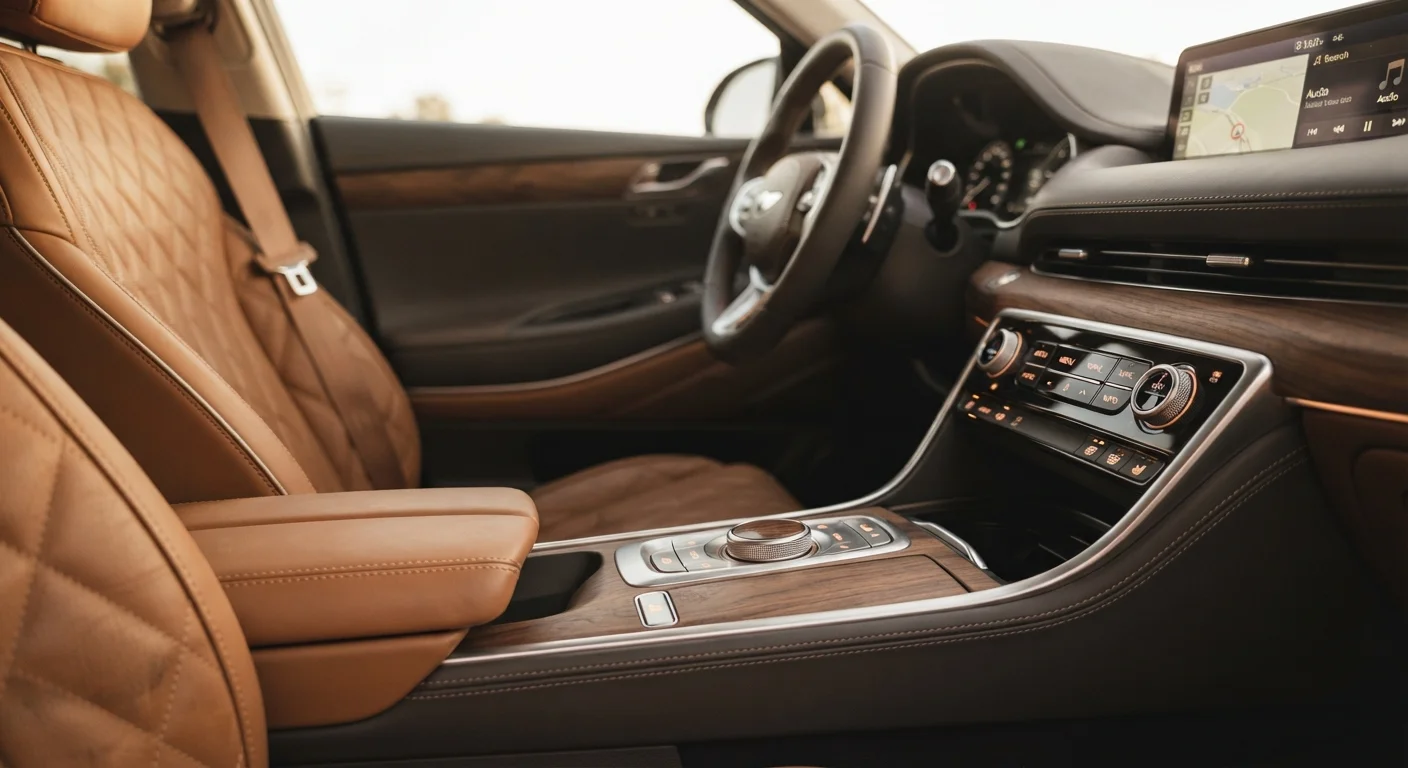
Interior materials are the most tangible difference most buyers notice. Genuine leather, aluminum trim, and real wood or carbon fiber panels appear across luxury base trims. Mainstream vehicles at comparable prices more often use synthetic leather and painted plastic in those positions.
Infotainment and connectivity hardware also diverges. Luxury brands have historically invested in larger screens, higher-resolution displays, and more capable audio systems as standard equipment. That gap has narrowed as mainstream brands have added larger touchscreens to mid-range trims, but the software integration and processing speed in luxury systems still tend to be more refined.
| Criterion | Luxury brands | Mainstream brands | |
|---|---|---|---|
| Base interior materials | Genuine leather, real trim materials common | Synthetic leather, plastic trim at base level | |
| Standard safety tech | Advanced driver assistance often standard | Often available as options or higher trims | |
| Factory warranty (typical) | 4-year/50,000-mile or longer on many models | 3-year/36,000-mile bumper-to-bumper common | |
| Depreciation (years 1-3) | Higher percentage loss | Lower percentage loss | |
| Maintenance and parts cost | Higher; specialist labor often required | Lower; wider service network available | |
| Long-term reliability | Varies; not uniformly higher than mainstream | Several brands rank at or near top of surveys |
Ownership costs beyond the purchase price
Purchase price is one part of what a vehicle costs. Service intervals, parts pricing, and labor rates shape the total over five or ten years of ownership.
Luxury vehicles generally require dealer or specialist service for warranty compliance, and proprietary parts cost more than their mainstream equivalents. A cabin air filter or brake pad set for a luxury model can cost two to three times what the same component costs for a mainstream vehicle. Tire sizes on luxury models are often wider and lower-profile, which raises replacement costs.
Depreciation works differently, too. Luxury vehicles lose a higher percentage of their value in the first three years. That works against a buyer who purchases new but benefits a buyer who purchases used. Certified pre-owned luxury programs can offset some risk for used buyers by extending warranty coverage on vehicles that have already absorbed the steepest depreciation.
Where mainstream brands have closed the gap
Several mainstream automakers now offer trim levels with features that were luxury-only a decade ago: heated and ventilated seats, adaptive cruise control, wireless charging, and multi-zone climate control. At upper trim levels, the in-cabin experience of a mainstream vehicle can be difficult to distinguish from an entry-level luxury model.
Reliability data from organizations such as J.D. Power and Consumer Reports has, over time, shown mainstream brands at the top of long-term dependability rankings alongside or above some luxury marques. A mainstream vehicle with a strong reliability record can represent lower financial risk over a 100,000-mile ownership period than a luxury vehicle with higher repair frequency.
Common assumptions about brand quality do not always hold up when measured against actual ownership data. Shoppers who focus on reliability rankings and total cost of ownership rather than badge prestige often find their money goes further with a well-specified mainstream vehicle.
For shoppers weighing where a brand's reputation should factor in, evaluating brand loyalty objectively can help separate habit from genuine advantage.