
What certified pre-owned actually means
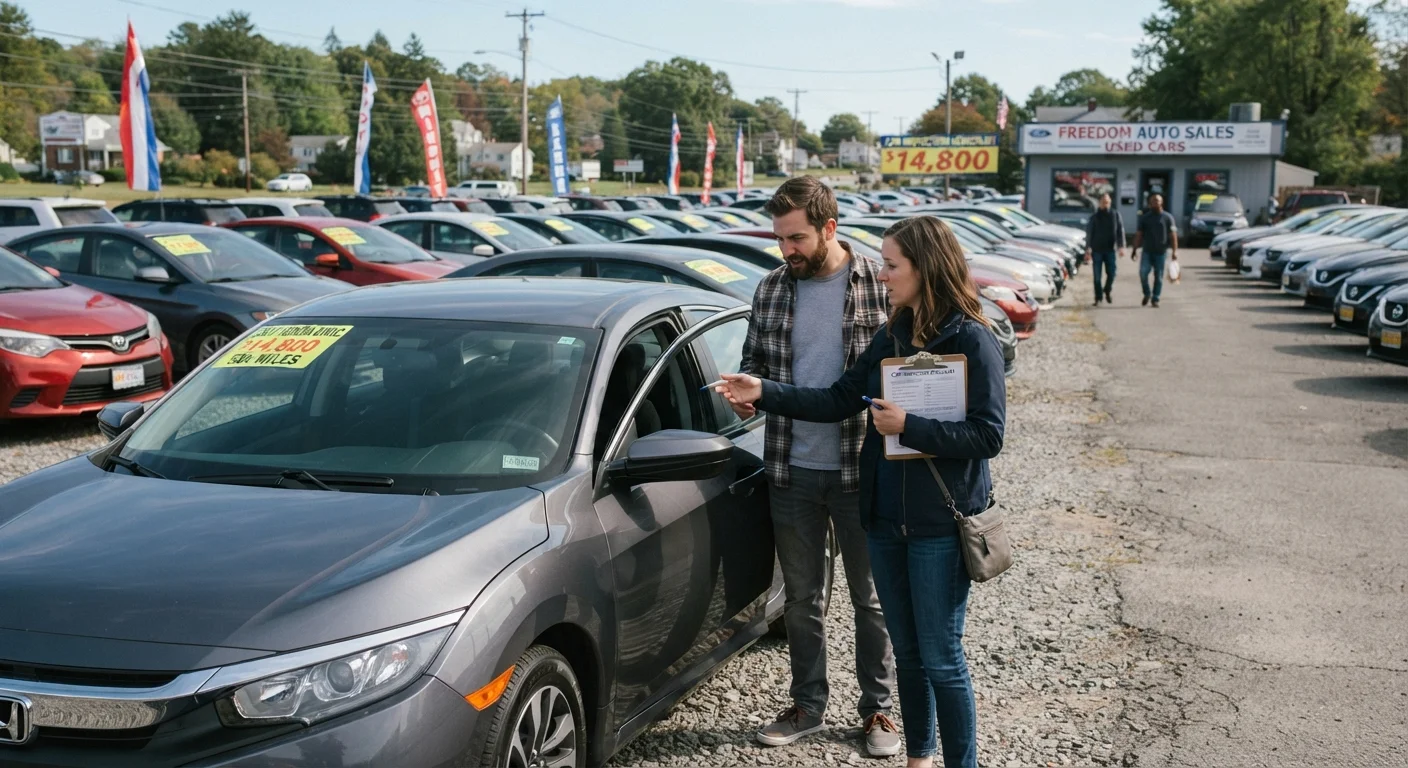
A certified pre-owned vehicle is a used car that has passed an inspection program run by a manufacturer or, in some cases, a dealership. Manufacturer CPO programs, such as those run by automakers through their franchised dealers, typically require the vehicle to fall within a set age and mileage range, pass a multi-point inspection, and come with an extended limited warranty backed by the manufacturer.
Dealer-run CPO programs are a separate category. These are created and administered by the dealership itself, not the automaker, so the coverage terms can vary considerably. When comparing CPO vehicles, confirming whether the certification comes from the manufacturer or the dealer matters, because the backing entity affects what happens if a warranty claim is disputed.
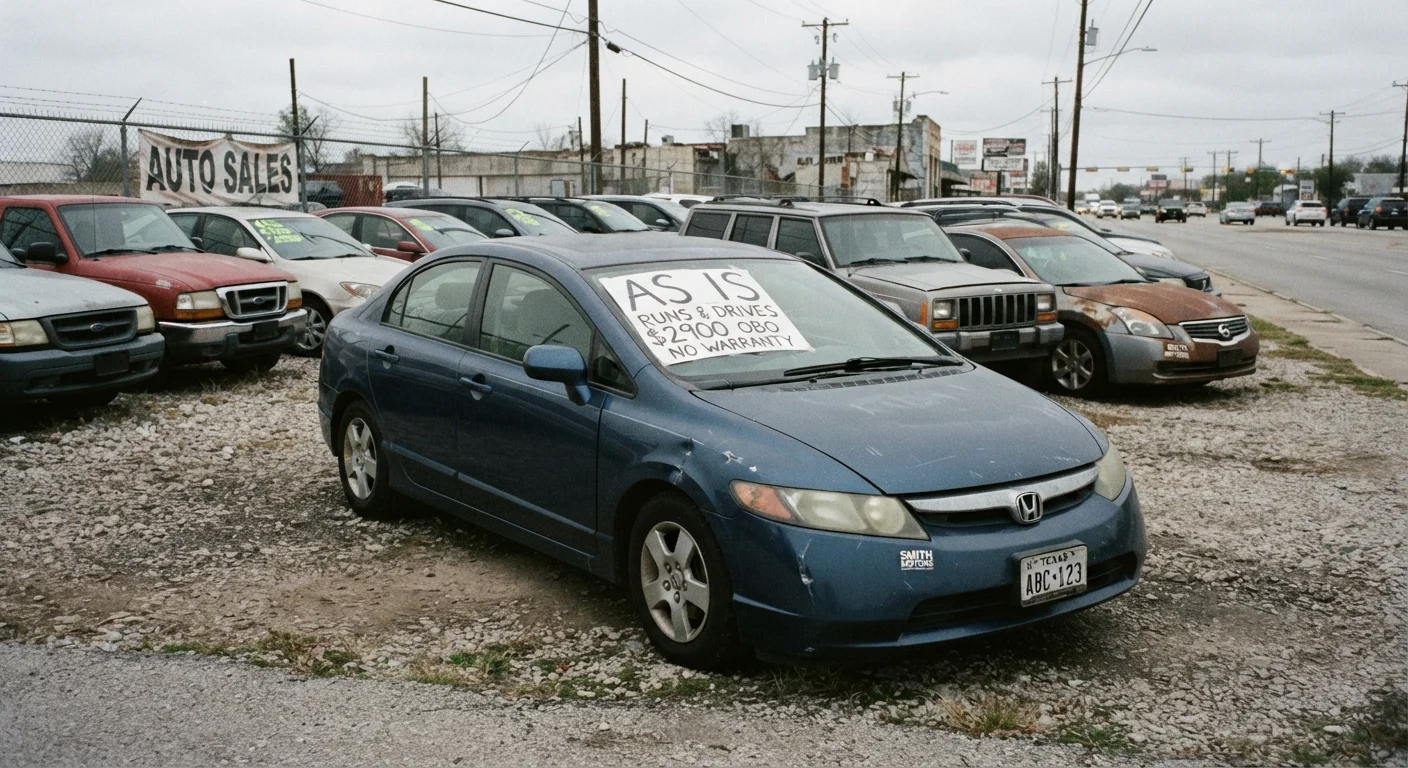
A regular used car carries none of those program requirements. It may still be in excellent condition and have a clean vehicle history report, but there is no standardized inspection requirement and no manufacturer warranty attached. Any warranty offered on a standard used car is either a remaining portion of the original factory warranty, a dealer guarantee, or a separate vehicle service contract the buyer can purchase independently.
The price gap and what drives it
CPO vehicles consistently sell at a premium over comparable non-certified used cars. The size of that gap depends on the vehicle's make, model, age, and current market conditions, but buyers generally pay more for the certification itself, the warranty coverage, and the reconditioning work done before the car went on sale.
That premium can be worth examining closely. If a CPO vehicle has two or three years of powertrain warranty remaining and you plan to own the car for that full period, the coverage has concrete value. If the warranty is nearly expired or covers only a narrow set of components, the premium shrinks in practical terms.
| Criterion | Certified Pre-Owned | Regular used car |
|---|---|---|
| Upfront price | Higher, reflects program premium | Lower, closer to market floor |
| Warranty coverage | Included, manufacturer or dealer backed | None by default, may have remaining factory coverage |
| Inspection requirement | Standardized multi-point inspection | No required inspection |
| Vehicle age and mileage | Program eligibility limits apply | No restrictions |
| Financing rates | Sometimes lower through manufacturer lenders | Standard used car rates |
| Availability | Franchised dealers, limited inventory | Dealerships, private sellers, auctions |
Financing can also shift the math. Some lenders extend lower interest rates to CPO vehicles because the inspection and warranty reduce perceived risk. Over a multi-year loan, a lower rate could partially offset the higher purchase price. Used car financing works differently than new car loans, and understanding those differences before you apply helps you compare the real cost of each path.
What a regular used car leaves open
Buying a standard used car puts more responsibility on the buyer to assess the vehicle's condition. A vehicle history report (from a service such as Carfax or AutoCheck) covers reported accidents, title issues, and odometer readings, but it does not tell you the mechanical state of the car at the time of sale.
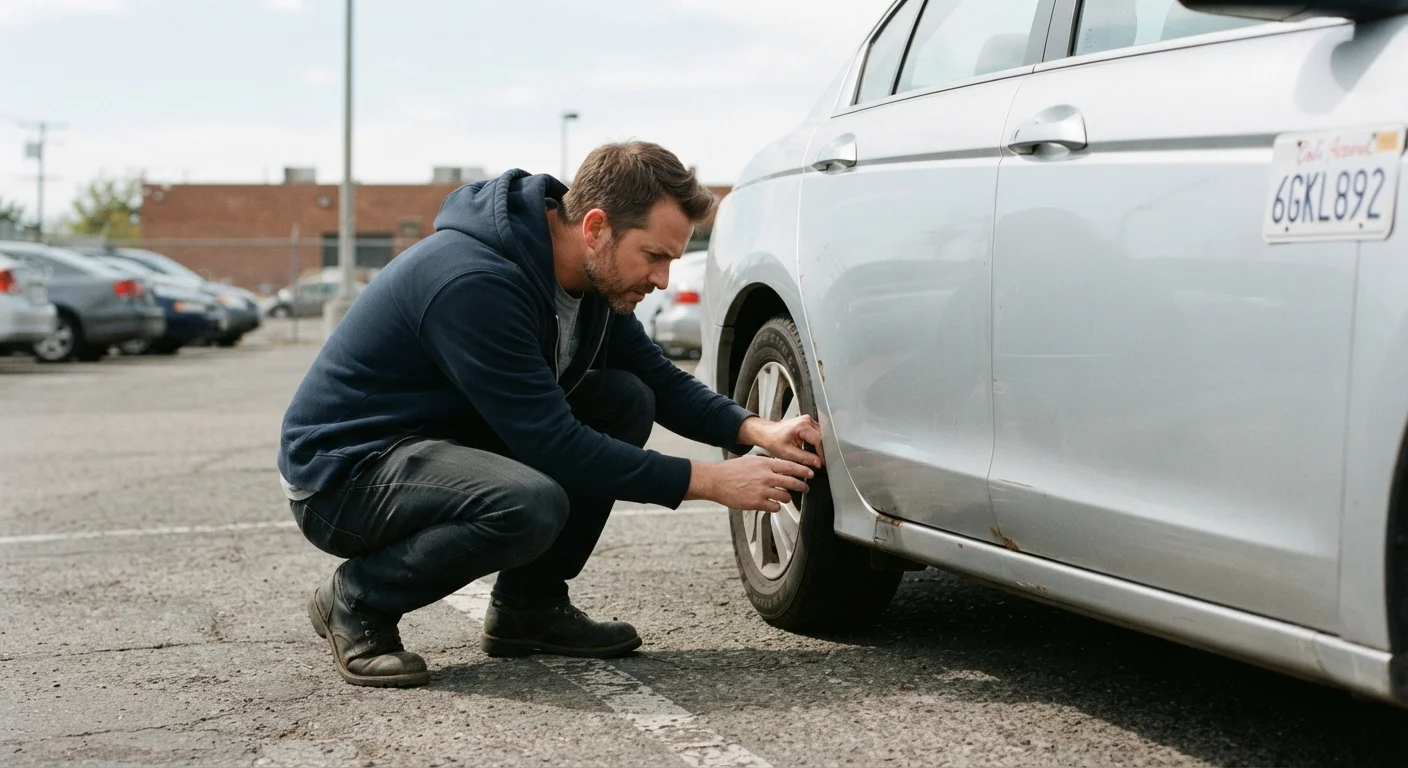
An independent pre-purchase inspection by a licensed mechanic addresses that gap. The mechanic checks the vehicle's systems and can surface issues that neither the seller nor a history report would show. Getting a pre-purchase inspection adds a modest cost upfront but can prevent a much larger repair bill later.
Vehicle history reports have limits
A history report only reflects events that were formally reported, such as insurance claims or title changes. Unreported accidents, private repairs, and deferred maintenance will not appear. An independent inspection by a qualified mechanic checks the vehicle's current condition, which a history report cannot do.
Where you buy a regular used car also affects your options. A dealership sale may include some limited protections or a short return window, while a private seller transaction typically comes with fewer formal recourses. Comparing private seller and dealership purchases breaks down those trade-offs in more detail.
Building a realistic budget for either option
The sticker price is only part of what a used car costs. Registration fees, insurance, routine maintenance, and potential repairs all factor into the actual ownership cost. A CPO vehicle may reduce unplanned repair expenses during the warranty period, but it does not eliminate them, and it does not change the cost of insurance, fuel, or scheduled service.
Mapping out the full cost of used car ownership before you commit to either type helps avoid surprises. A cheaper regular used car that needs immediate work can end up costing more than a slightly pricier CPO vehicle, and the reverse is also possible. The decision is specific to the individual vehicle, the warranty terms, and your own financial situation.
This article is for general informational purposes only and does not constitute financial or legal advice. Warranty terms, CPO program requirements, and financing options vary by manufacturer, dealer, and lender. Review program documents carefully and consult a licensed professional for guidance specific to your circumstances.