
What a pre-purchase inspection actually covers
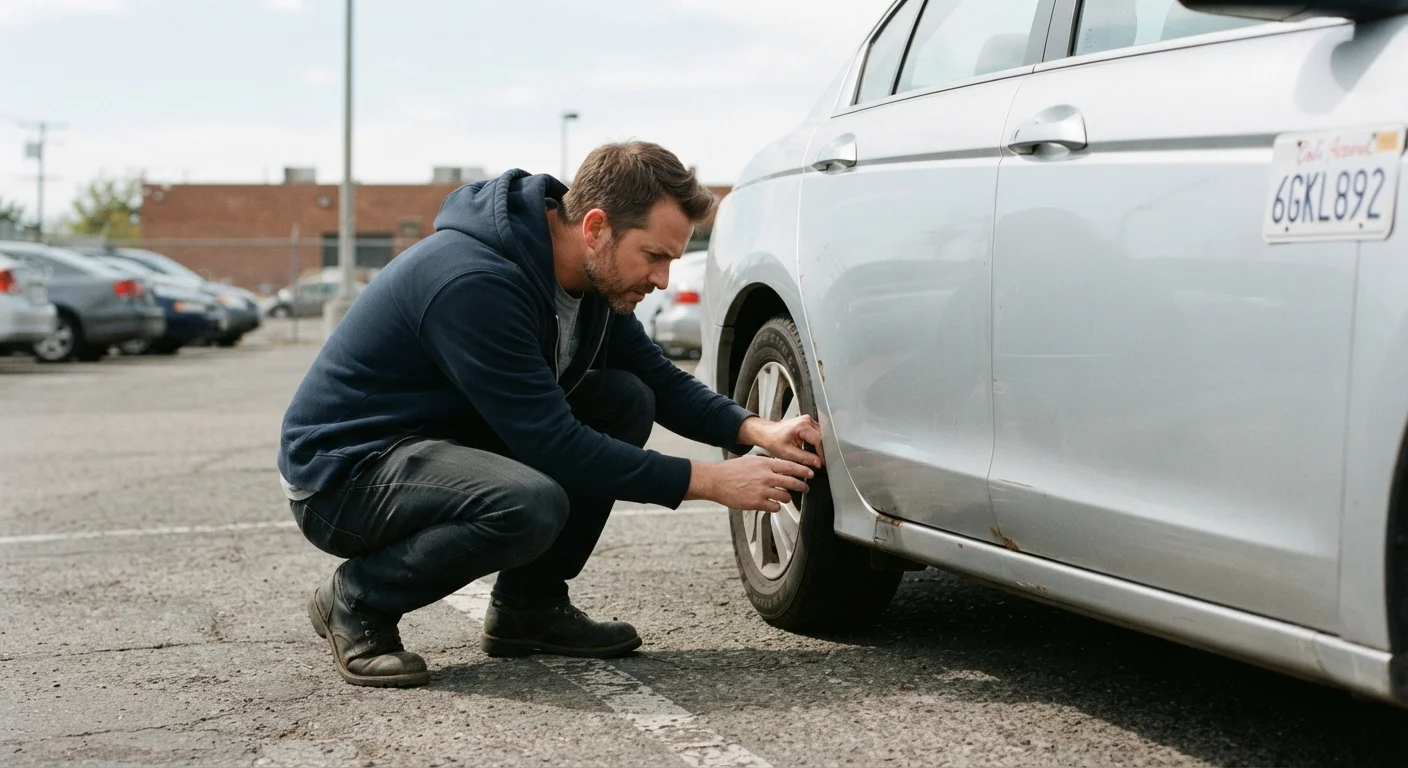
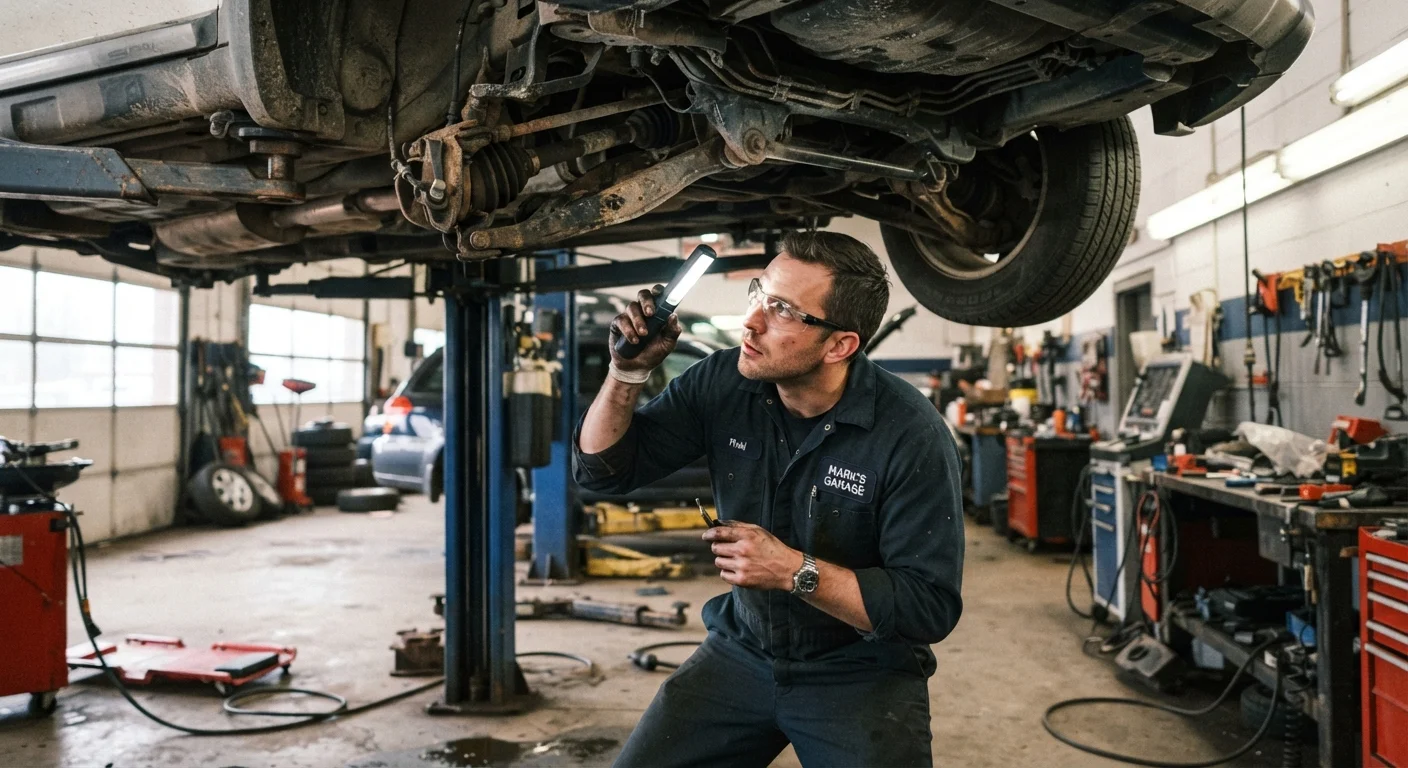
A pre-purchase inspection (PPI) is a top-to-bottom mechanical and structural review performed by a mechanic you hire independently of the seller. It is different from a test drive or a visual walk-around. A qualified mechanic will put the car on a lift, check the undercarriage for rust and frame damage, examine all major fluid levels and conditions, test the brakes, inspect tires for uneven wear (which can signal alignment or suspension problems), read the car's onboard diagnostic codes, and test systems such as the air conditioning, heat, and electronics.
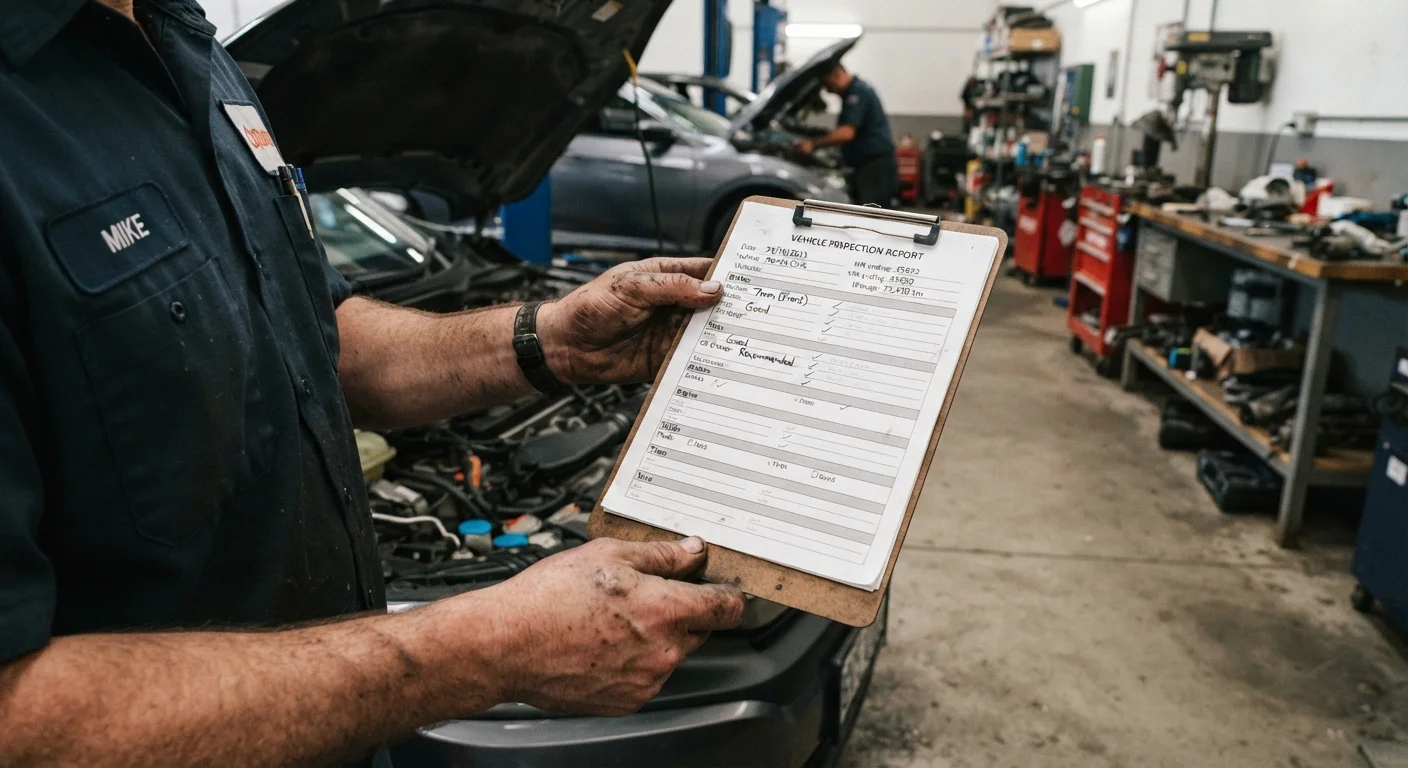
For buyers who are early in the process, a pre-purchase inspection checklist can help you understand what each part of the review involves. The mechanic's report should categorize findings by severity: items that need immediate attention, items to watch, and normal wear for the vehicle's age and mileage.
A PPI does not cover every possible future failure. Internal engine wear beyond what current diagnostics reveal, intermittent electrical faults, and problems that only appear under specific driving conditions can go undetected. The inspection is a snapshot of the car's condition on that day, not a warranty.
Why the cost is usually worth it
Pre-purchase inspections generally cost between $100 and $200 at an independent shop. Mobile mechanic services that come to the car's location may charge more. That fee is modest compared to what a missed major repair can cost. A transmission replacement can run $3,000 or more. Head gasket repairs on some engines cost $1,500 to $2,500. Even a full brake job on all four corners can exceed $600.
If the inspection finds a significant problem, you have three realistic options: ask the seller to fix it before the sale, renegotiate the price to account for the repair cost, or walk away. All three outcomes are better than discovering the problem after you have already paid. If the inspection comes back clean, you proceed with more confidence. Certified pre-owned programs include their own inspections, but those are done by or for the seller, not for you.
What you will need
Independent mechanic or repair shop
Performs the physical inspection of the vehicle and provides a written report of findings.
Vehicle history report
Provides background on prior ownership, reported accidents, and title status before the mechanic sees the car.
OBD-II scanner
Reads stored diagnostic trouble codes from the car's computer, which a mechanic may use during the inspection.
For a broader view of how this step fits into the full buying process, see the complete used car purchase walkthrough. Once the inspection is behind you and the deal is finalized, the next step is arranging coverage: understanding auto insurance basics is a practical starting point.
Pull a vehicle history report first
Before scheduling anything, get a vehicle history report using the car's 17-character VIN (Vehicle Identification Number). This report can reveal reported accidents, flood damage, title problems such as salvage or rebuilt status, and whether the odometer reading looks consistent with prior records. A history report does not replace a physical inspection, but it helps you decide whether the car is worth paying a mechanic to look at.
Find a mechanic you trust
Choose a shop that has no connection to the seller. If you already use a mechanic for your own vehicles, that is a reasonable starting point. Otherwise, ask friends or family for referrals, or look for a shop certified by the National Institute for Automotive Service Excellence (ASE). Confirm they are willing to do pre-purchase inspections before you commit to using them. Some shops specialize in this service; others prefer not to do it.
Get the seller's agreement
Tell the seller you want an independent inspection before finalizing any deal. For a private seller, this usually means driving the car to a nearby shop or allowing you to have a mobile mechanic come to them. Dealerships will sometimes have their own inspection bays; if so, confirm the inspection can be conducted by your mechanic, not theirs. Get the agreement before you schedule the appointment, since some sellers will back out once the topic comes up.
Schedule the inspection appointment
Coordinate a time that works for both the seller and the shop. Most pre-purchase inspections take between 45 minutes and 90 minutes. Plan to be present if possible; being there lets you ask the mechanic questions in real time and see what they are looking at. Bring any notes about issues you noticed during your own walk-around, so the mechanic can give those areas extra attention.
Review the written inspection report
After the inspection, the mechanic should provide a written summary of their findings. A good report separates urgent safety or mechanical problems from normal wear items and future maintenance needs. Pay close attention to anything flagged as a safety concern or a major system failure, such as a transmission problem, significant rust on load-bearing structures, or brake system issues. Use the report to ask the seller about repairs or to revisit the price.
Buying from a private seller?
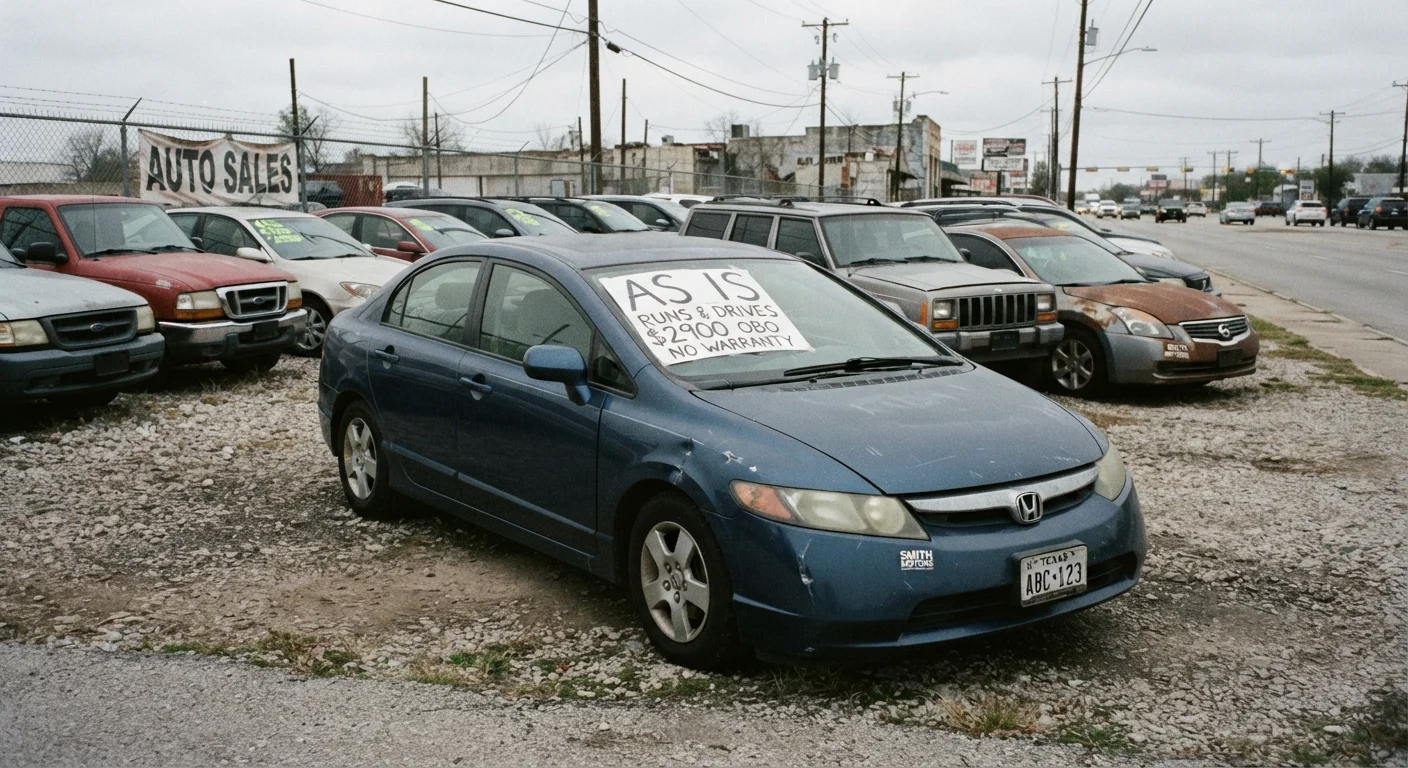
Private sellers are not required to disclose known defects in most states, which makes an independent inspection even more useful in that context. If the seller seems rushed or reluctant to give you time to arrange one, slow down. A legitimate private sale can almost always accommodate a one- or two-day delay for an inspection. For a comparison of what to expect from each buying channel, see the private seller vs. dealership breakdown.
This article is for general informational purposes only. It does not constitute financial, legal, or mechanical advice. Costs and procedures vary by region, vehicle type, and individual shop. Consult a qualified mechanic for guidance specific to a vehicle you are evaluating.