
What used car ownership actually costs
The sticker price on a used car is the number most buyers focus on, but it rarely reflects what you will spend in the first year of ownership. Registration fees, insurance premiums, routine maintenance, and fuel costs combine to create an ongoing financial commitment that can rival the purchase price itself over time.
If you are in the early stages of shopping, a complete walkthrough of the buying process can help you structure your search. The list below focuses specifically on the cost categories that catch buyers off guard, with enough detail to build a realistic budget before you sign anything.

The costs that follow you home
Auto insurance
Insurance is often the largest recurring cost after a car payment. Premiums depend on your driving record, location, age, the vehicle's make and model, and the coverage levels you choose. A used car with a salvage or rebuilt title typically costs more to insure, and some insurers will not cover it at all.
Liability-only coverage is cheaper but leaves you paying out of pocket if the car is damaged or stolen. Comprehensive and collision coverage add cost but protect an asset you have already paid for. Understanding how auto insurance coverage works is worth doing before you settle on a vehicle, because the car you choose directly affects what you will pay.
The car you choose directly affects what you will pay for insurance every month.
Registration and taxes
Every state charges registration fees when you title and plate a vehicle. Some states base the fee on the car's value or weight; others use a flat rate. Sales tax on the purchase price is separate and applies in most states at the time of sale. Together, these costs can add several hundred dollars to the upfront cost of buying.
Annual renewal fees are smaller but ongoing. If you move to a different state, you will re-register the vehicle there, which may trigger another round of taxes depending on that state's rules.
Sales tax and registration fees together can add several hundred dollars to your upfront cost.
Financing and interest
If you borrow money to buy a used car, the interest you pay over the loan term raises the total cost above the purchase price. Used car loans carry higher interest rates than new car loans, and rates rise further if your credit score is below average. On a $12,000 loan at 9% interest over 48 months, you pay roughly $2,300 in interest charges alone.
Longer loan terms lower the monthly payment but increase total interest paid. A shorter term costs more each month but less overall. Running both scenarios with an online loan calculator before you visit a lender gives you a clearer picture of what you are actually agreeing to.
A longer loan term lowers monthly payments but increases the total you pay for the car.
Maintenance and repairs
Used cars require maintenance regardless of condition: oil changes, tire rotations, brake inspections, and fluid replacements are regular line items. Older vehicles or those with higher mileage may need more frequent attention. If the car has deferred maintenance from a previous owner, those costs land on you immediately after purchase.
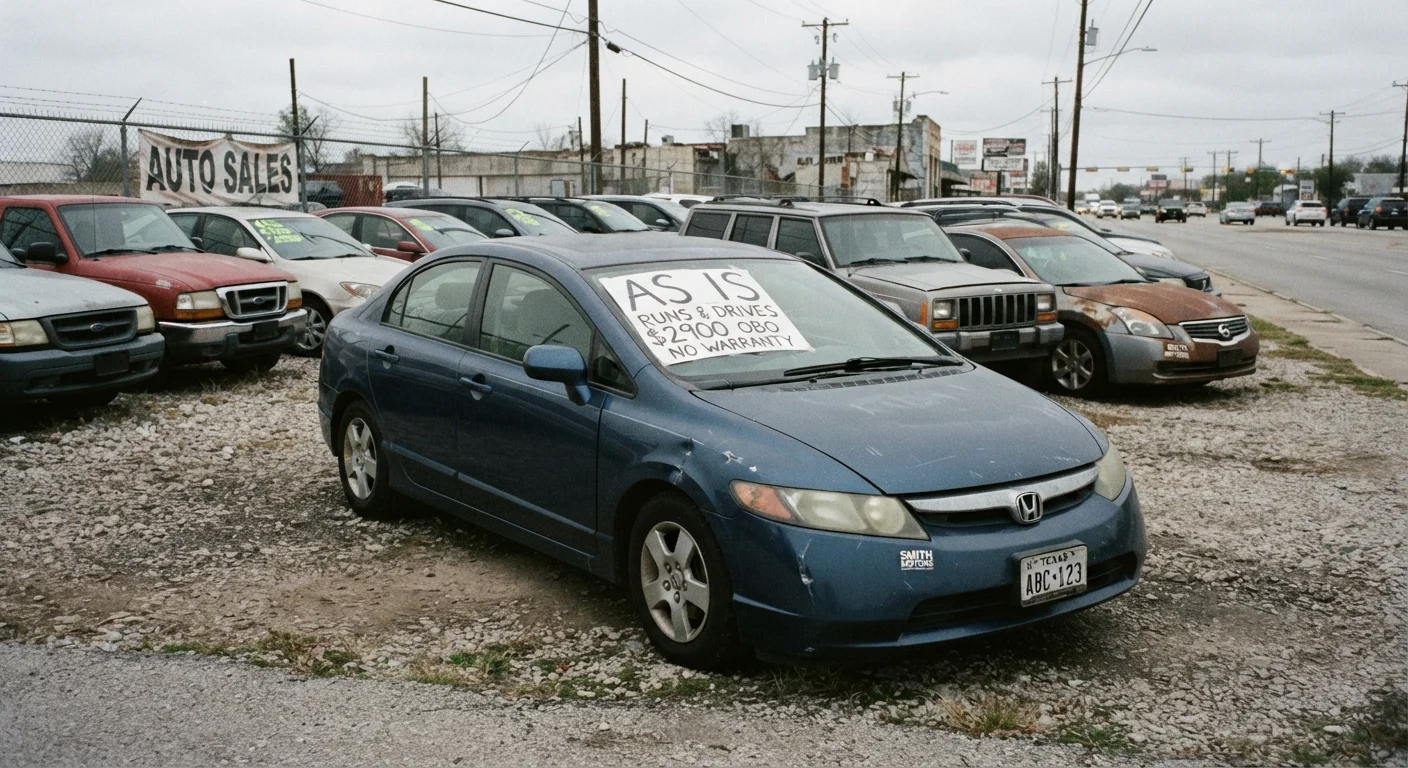
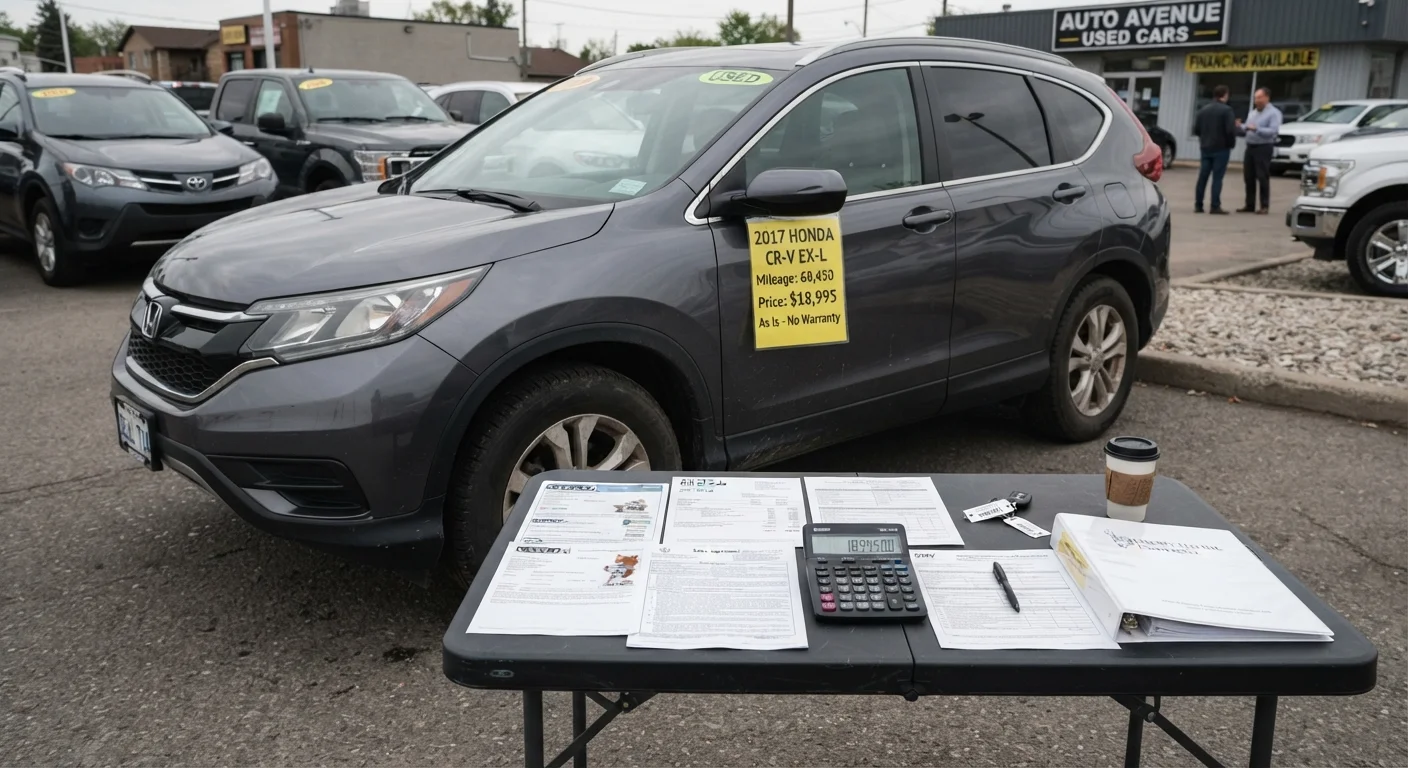
A pre-purchase inspection by an independent mechanic (typically $100 to $150) is one of the most cost-effective steps a buyer can take. It can reveal worn components, pending repairs, or signs of prior damage that are not visible during a test drive. Buying a car as-is means the seller makes no warranties, so identifying problems before the sale is the only reliable protection you have.
A pre-purchase inspection by an independent mechanic is one of the most cost-effective steps a buyer can take.
Fuel costs
Fuel economy varies widely among used vehicles, and the difference is meaningful over a full year of driving. A vehicle rated at 20 miles per gallon costs roughly twice as much to fuel as one rated at 40 mpg, assuming the same annual mileage. The EPA's fuel economy database (fueleconomy.gov) lists estimated annual fuel costs for most model years, which makes comparison straightforward.
Mileage alone does not tell the full story of a used car's value. A low-mileage vehicle may carry other costs that offset the appeal of a smaller odometer reading.
Annual fuel costs can differ by over $1,000 between vehicles depending on fuel economy ratings.
Depreciation
Used cars depreciate more slowly than new ones, but they still lose value. A car bought for $15,000 today will be worth less when you sell or trade it in, and the gap between purchase price and resale value is a real cost of ownership even though no check is written for it. Vehicles with strong resale histories hold value better, which affects your financial position when it is time to move on.
If you are comparing used vehicles with different price tags, factor in likely resale value alongside insurance and maintenance costs. Several common beliefs about used car value do not hold up when examined alongside actual depreciation data.
The gap between what you pay and what you later sell for is a real ownership cost, even if it is invisible month to month.
State fees and taxes vary widely
Registration fees, personal property taxes on vehicles, and sales tax rates differ significantly from state to state. Some states charge annual taxes based on the vehicle's assessed value; others do not. Check your state's DMV website for the specific schedule that applies to you before finalizing your budget.
Putting the numbers together
Before committing to a vehicle, add up estimates for each category below. Insurance quotes are free from most providers and take about ten minutes online. Your state's DMV website lists registration fee schedules. A mechanic can give you a general maintenance cost estimate for a specific make and model after a pre-purchase inspection.
Parts availability and repair labor rates differ significantly by vehicle type. Brand-level ownership cost differences are worth researching before you narrow your list to a single car. For buyers considering a certified pre-owned vehicle, the cost difference between CPO and standard used comes down to what the added warranty coverage is worth to you given the car's age and mileage.
This article provides general information about vehicle ownership costs and is not financial or legal advice. Insurance premiums, registration fees, and maintenance costs vary by location, vehicle, and individual circumstances. Consult a licensed insurance agent or financial professional for guidance specific to your situation.