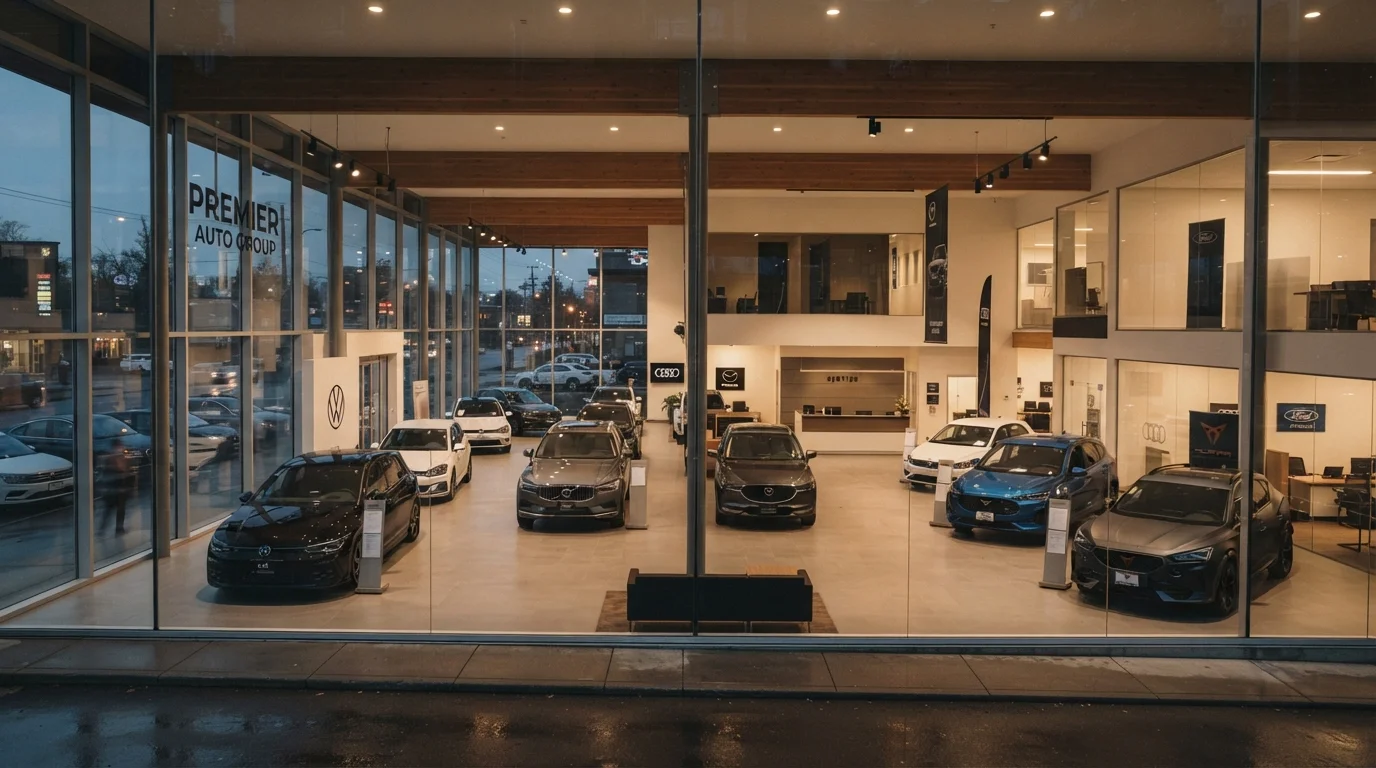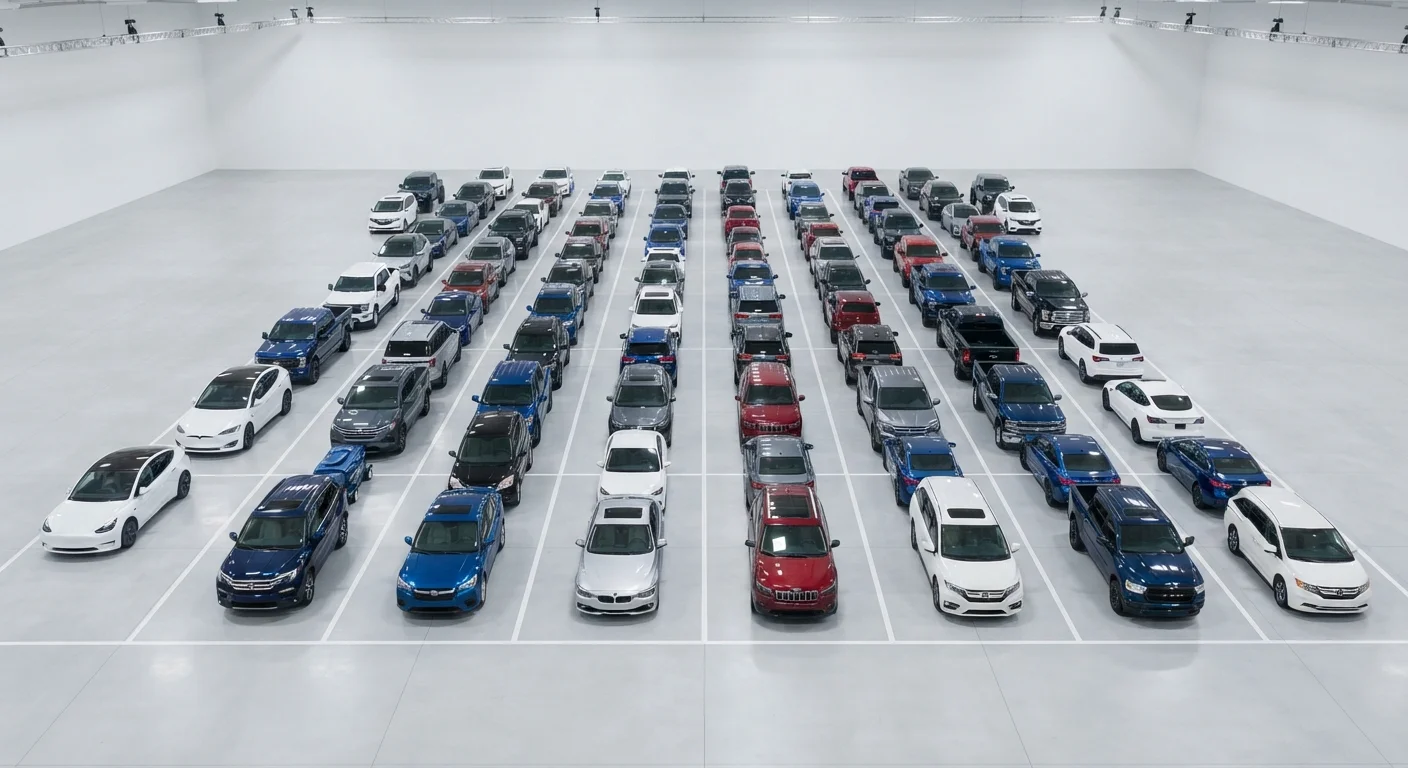


Why the sticker price misleads shoppers
The price on a window sticker covers one moment in a car's life: the transaction. What follows that transaction, for months and years, is where ownership costs accumulate. Fuel, insurance, scheduled maintenance, unplanned repairs, registration renewals, and eventual resale value all factor into what a vehicle truly costs you.
For most buyers, these recurring costs over five years will exceed the original purchase price. That reality makes brand selection a financial question, not just a preference. Different automakers carry different cost profiles based on their engineering choices, parts supply chains, and the markets they are designed for. See how all these factors combine into a realistic ownership budget for a fuller breakdown.
Total cost of ownership
The full amount spent on a vehicle over a set period, including purchase price, fuel, insurance, maintenance, repairs, and depreciation.
Depreciation
The reduction in a vehicle's resale value over time. Cars typically lose the most value in the first few years after purchase.
OEM parts
Original Equipment Manufacturer parts made by or for the vehicle's brand. These are often more expensive than aftermarket alternatives but may be required for warranty compliance.
Labor rate
The hourly charge a repair shop bills for a technician's time. Rates differ between dealerships, independent shops, and brand-specialized garages.
Reliability data
Statistics collected from vehicle owners about how often a car requires unscheduled repairs. Organizations like J.D. Power and Consumer Reports publish this data by brand and model.
How brand reputation shapes maintenance costs
Automakers set their own maintenance schedules, which determine how frequently you pay for oil changes, filter replacements, brake inspections, and fluid services. A brand that requires synthetic oil changes every 5,000 miles costs more per year in routine service than one with a 10,000-mile interval, even if the vehicles are otherwise comparable.
Beyond schedules, brand engineering philosophy affects how often unscheduled repairs arise. Brands with a history of conservative, proven engineering tend to show lower rates of unexpected mechanical failures in owner-reported reliability surveys. Brands that refresh technology frequently or use complex systems across their lineup may show higher early repair rates until those systems mature.
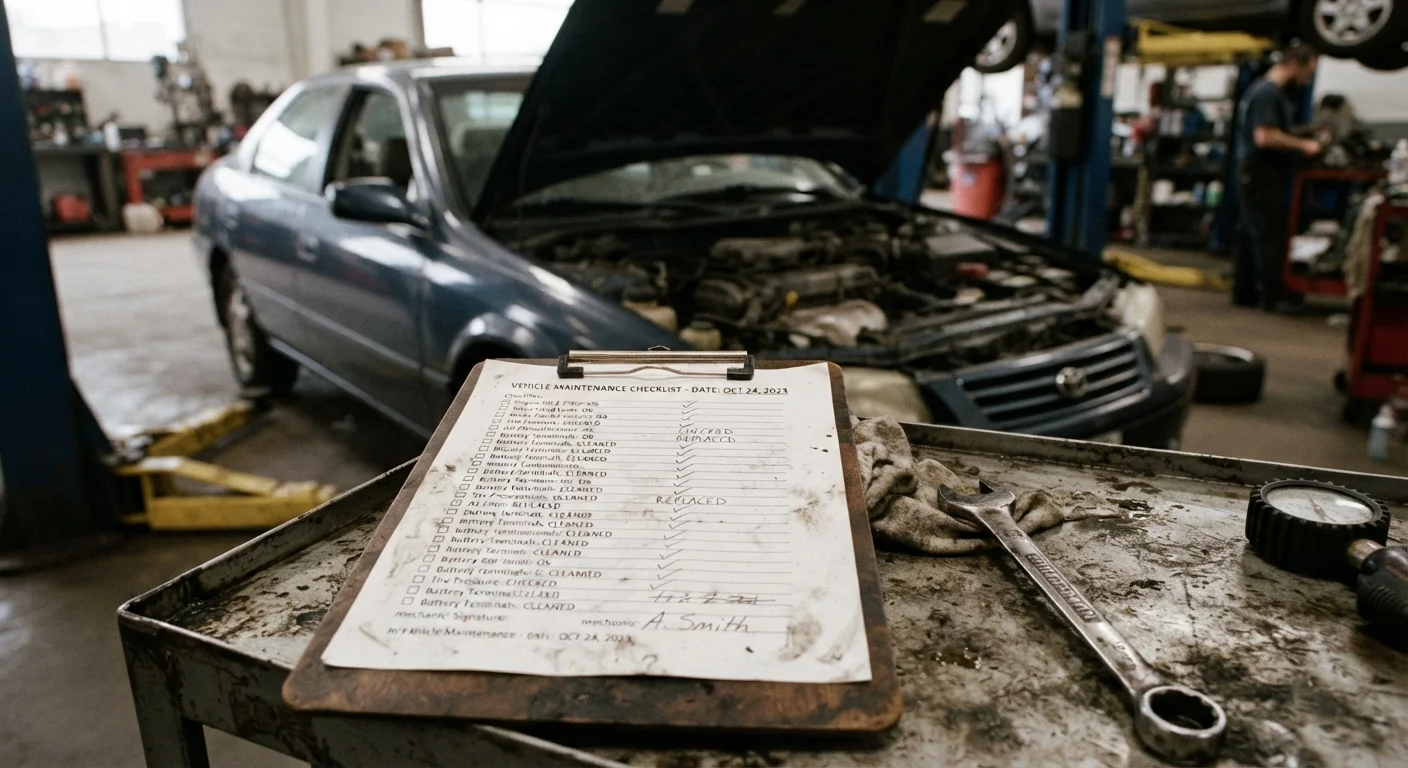
It helps to separate brand-level reputation from model-year reality. A brand may have improved substantially in recent years, or a historically strong brand may have had a troubled model run. Brand assumptions can quietly derail a used car purchase if you rely on general image rather than specific data.
Check model-year reliability, not just brand image
A brand may have a strong overall reputation while a specific model year had documented problems. Before committing, look up reliability data for the exact year and trim you are considering. Sources like Consumer Reports and the NHTSA complaints database are publicly available.
Parts availability and labor rates by brand
When something breaks, two costs determine your bill: the part and the labor. Both vary by brand in predictable ways.
Mainstream brands sold in high volume in the U.S. benefit from a broad aftermarket parts ecosystem. Independent repair shops can source components quickly, often at a fraction of dealership prices. This competition keeps labor rates lower and repair turnaround faster.
Luxury and specialty brands rely more heavily on OEM parts with limited aftermarket alternatives. Technicians often need brand-specific training and tools, concentrating repairs at authorized dealers who charge premium labor rates. Some European luxury brands require parts shipped from abroad, adding both cost and wait time to repairs.
Low-volume or discontinued brands carry extra risk
Vehicles from brands that have exited the U.S. market or produce low sales volumes can face parts shortages and a shrinking pool of qualified technicians. This can make even routine repairs expensive and slow over time.
If you are considering a vehicle from a brand with a smaller U.S. dealer network, research the nearest authorized service center before purchase. Distance matters when a warranty repair requires an authorized facility.
How brand affects insurance premiums
Insurers do not price policies on vehicle looks or perceived prestige. They use actuarial data: how often a particular brand and model is stolen, how much repairs cost after a collision, and what injury claim history looks like across that vehicle's ownership population.
A brand whose models are frequent theft targets in a given region will carry higher comprehensive premiums. A brand whose vehicles have expensive proprietary parts will cost more to repair after a fender-bender, and insurers build that into collision premiums. High-performance trims within any brand also carry higher rates because their owners statistically file more claims.
This means two vehicles at the same purchase price can carry meaningfully different annual insurance costs depending on brand and model. When financing a vehicle, lenders require full coverage, so insurance cost directly affects your monthly carrying cost. For a more detailed look at what shapes insurance pricing, consult a licensed insurance agent, as rates also depend on your driving history, location, and coverage selections.
This article is general information only
Nothing here constitutes personalized financial or insurance advice. Ownership costs vary by driver history, location, mileage, and individual circumstances. Consult a licensed insurance agent or financial adviser for guidance specific to your situation.
Resale value and depreciation by brand segment
Depreciation is among the largest cost components in vehicle ownership, yet many buyers overlook it. A vehicle that loses 50% of its value in three years costs far more to own than one that retains 65%, even if purchase prices and maintenance costs are identical.
Brand segment has a strong influence on depreciation rates. Certain mainstream brands, particularly those with high demand and limited incentive-heavy sales practices, tend to hold value well. Luxury brands depreciate sharply in the first three years because the new-car premium is large and the used market is more price-sensitive. Some domestic brands historically offered heavy dealer incentives that inflated new prices and compressed used values.
Resale value also connects to how brand loyalty affects buying decisions. Shoppers who plan to trade in within a few years should weigh depreciation as carefully as purchase price. Those financing over longer terms should also consider how loan balances can exceed vehicle value if depreciation is steep, a situation commonly called being underwater on a loan. Comparing luxury and mainstream brands side by side can clarify where these depreciation differences are largest.