
How the two channels work
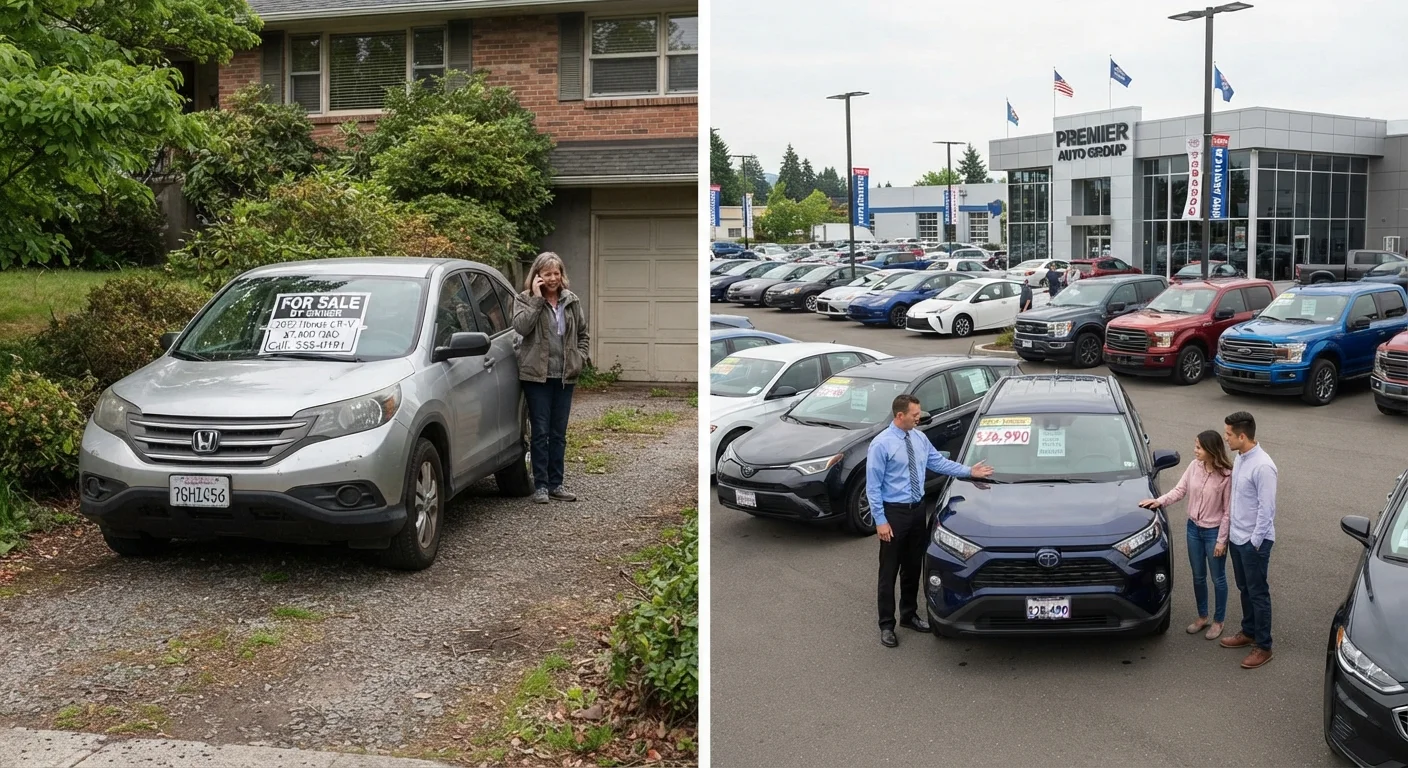
A private seller is an individual owner listing a vehicle directly, usually on a classified site or through word of mouth. A dealership is a licensed business that acquires vehicles, reconditions them to varying degrees, and sells them with an established sales process. Both channels exist in every major U.S. market, and both can be legitimate sources of reliable transportation.
The core difference is structure. Dealers operate under state licensing requirements, must comply with federal disclosure rules for used cars (including the FTC's Used Car Rule, which requires a Buyers Guide on vehicles), and can offer on-site financing. Private sellers face fewer regulatory requirements and transact more informally, which is part of what keeps their prices lower.
Price and negotiation
Private listings typically carry lower asking prices than dealership listings for comparable vehicles. Dealers build reconditioning costs, overhead, and profit margin into their prices. That gap varies by vehicle age, condition, and local market, but buyers who comparison-shop often find private prices noticeably lower for the same make, model, and mileage.
Negotiation works differently in each setting. With a private seller, you are talking directly with one person who may have an emotional attachment to the car or a firm financial need. With a dealer, the sales process involves more parties and can include add-ons such as extended service contracts or documentation fees. Understanding what each line item covers before you agree to it matters.
Mileage alone does not determine value, and the same applies to sticker price. A lower number from a private seller is not automatically the better financial outcome if the car needs significant repairs shortly after purchase.
Paperwork and consumer protections
Dealerships manage title transfers, odometer disclosures, and sales contracts as part of their standard process. Many states require dealers to handle emission and safety certifications before a sale. That administrative layer adds cost but reduces the chance of a paperwork error that delays registration.
Private sales place more responsibility on the buyer. You and the seller handle the title transfer directly through your state's motor vehicle agency. If the title has a lien (meaning an auto lender still has a claim on the vehicle), you need to confirm the loan is paid off before the transaction closes. Skipping that step can create serious complications.
Verify the title before any money changes hands
For a private sale, ask to see the physical title and confirm the seller's name matches the name on the title. If a lender is listed as a lienholder, the loan must be fully paid before the title can transfer to you. Your state's motor vehicle agency can explain the exact steps required in your state.
For buyers considering a certified pre-owned vehicle, those programs are available only through franchised dealerships. See how CPO programs compare to standard used car purchases for a breakdown of what the added cost buys you.
Financing a private purchase vs. dealer financing
Dealers can arrange financing directly, often through multiple lenders, which makes the purchase process faster for buyers who have not already secured a loan. That convenience has a trade-off: dealer-arranged financing sometimes carries a higher rate than a loan obtained independently through a bank or credit union.
Private party purchases require you to arrange financing before you show up. Most banks and credit unions offer private-party auto loans, but the vehicle's age and mileage affect eligibility, and lenders generally cap the loan amount at the vehicle's market value. How dealer financing compares to direct lending goes deeper on the rate and term differences worth knowing before you apply.
If you plan to pay cash, that distinction disappears, and a private sale becomes more straightforward. Understanding how used car loans are structured is a useful starting point if financing is new territory for you.
Inspection and vehicle history
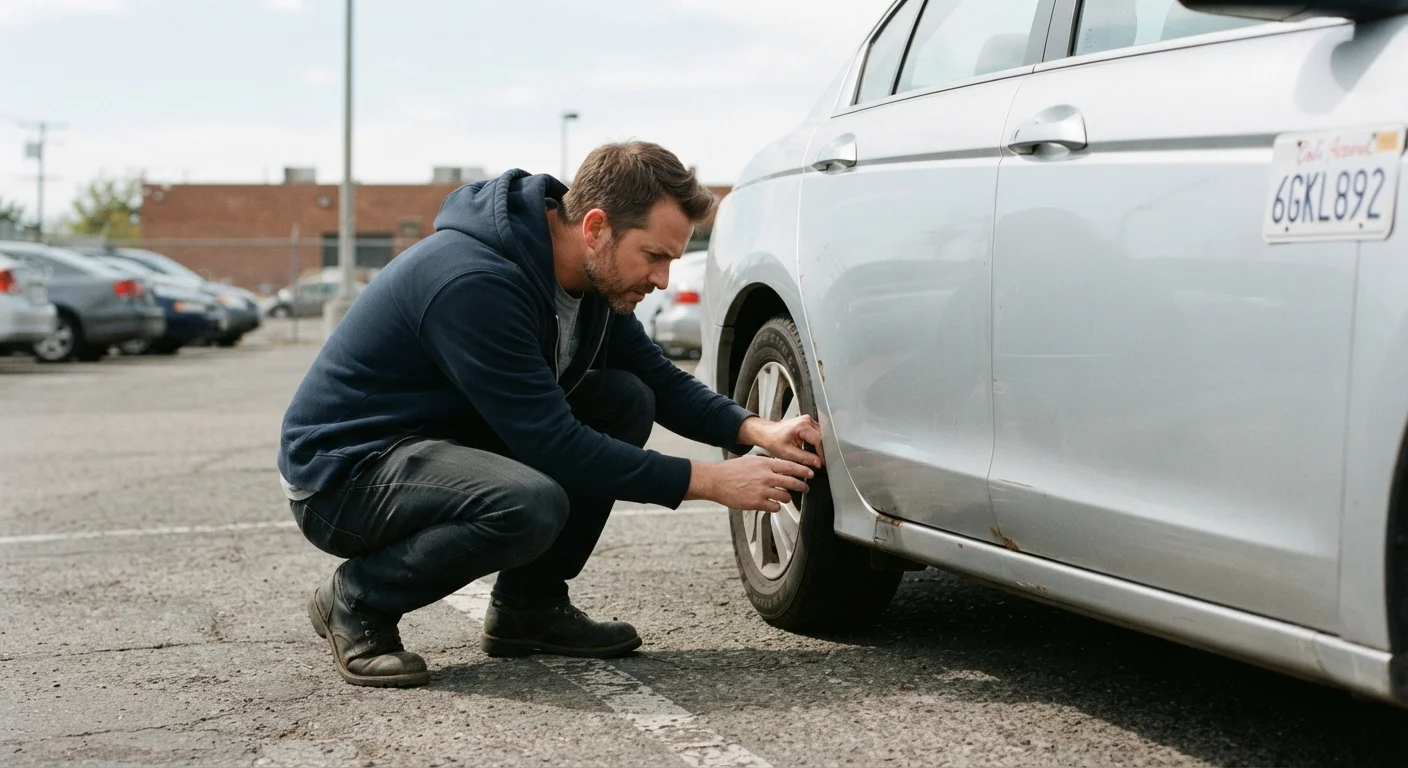
Regardless of channel, pulling a vehicle history report (available from services that aggregate title, accident, and odometer records) and scheduling a pre-purchase inspection with a qualified mechanic are standard steps. Dealers may present their own inspection reports, but those are not a substitute for an independent assessment. What an independent inspection involves and what to expect explains the process in detail.
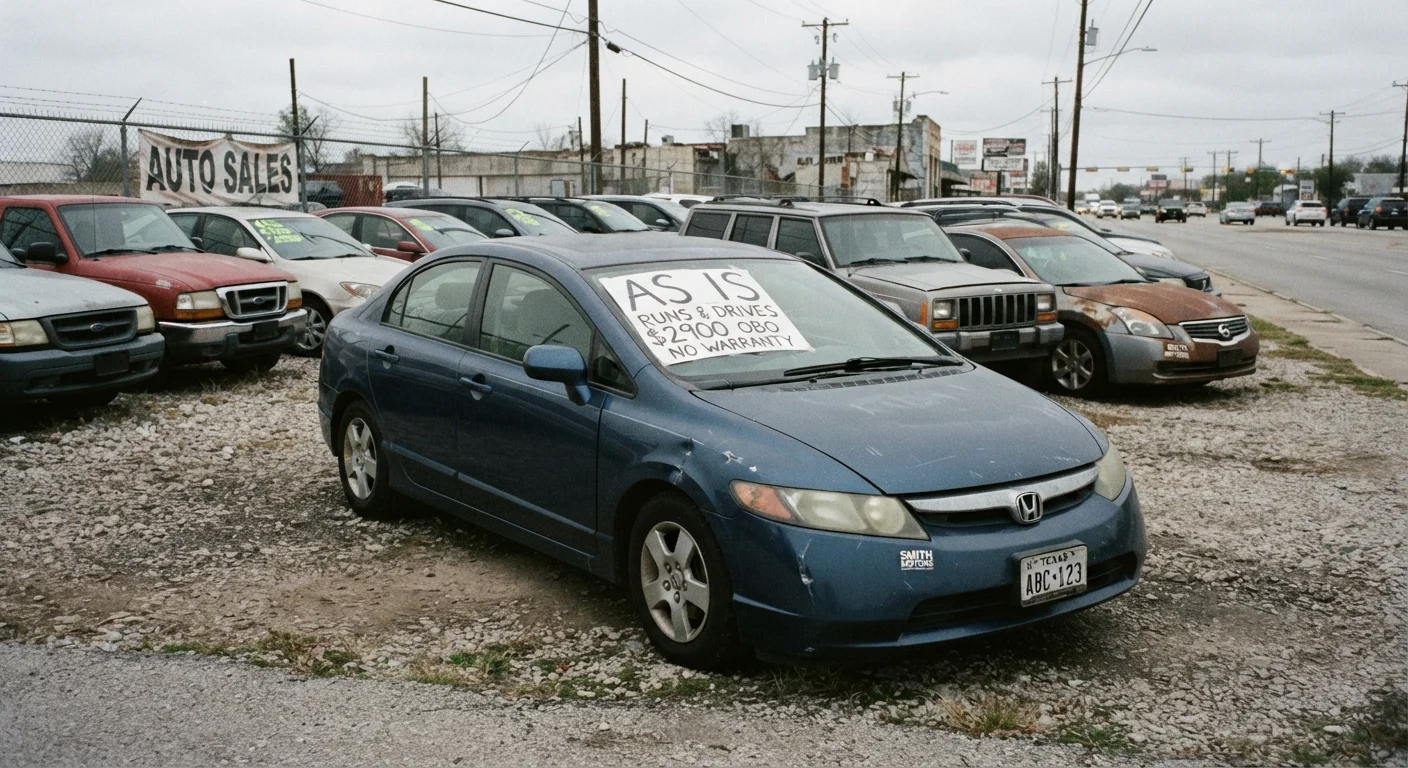
Private sellers are not required to disclose known defects in most states (though concealing a known material defect can create legal liability), so independent verification carries more weight in that setting. A dealer's reconditioning process may catch some problems, but it does not guarantee the vehicle is problem-free.
For a full walkthrough of the buying process across both channels, the complete guide to your first used car purchase covers budgeting, searching, and finalizing a deal from start to finish.
This article is for general informational purposes only and does not constitute financial, legal, or professional advice. Terms, fees, and consumer protection rules vary by state and individual circumstance. Consult a licensed professional for guidance specific to your situation.