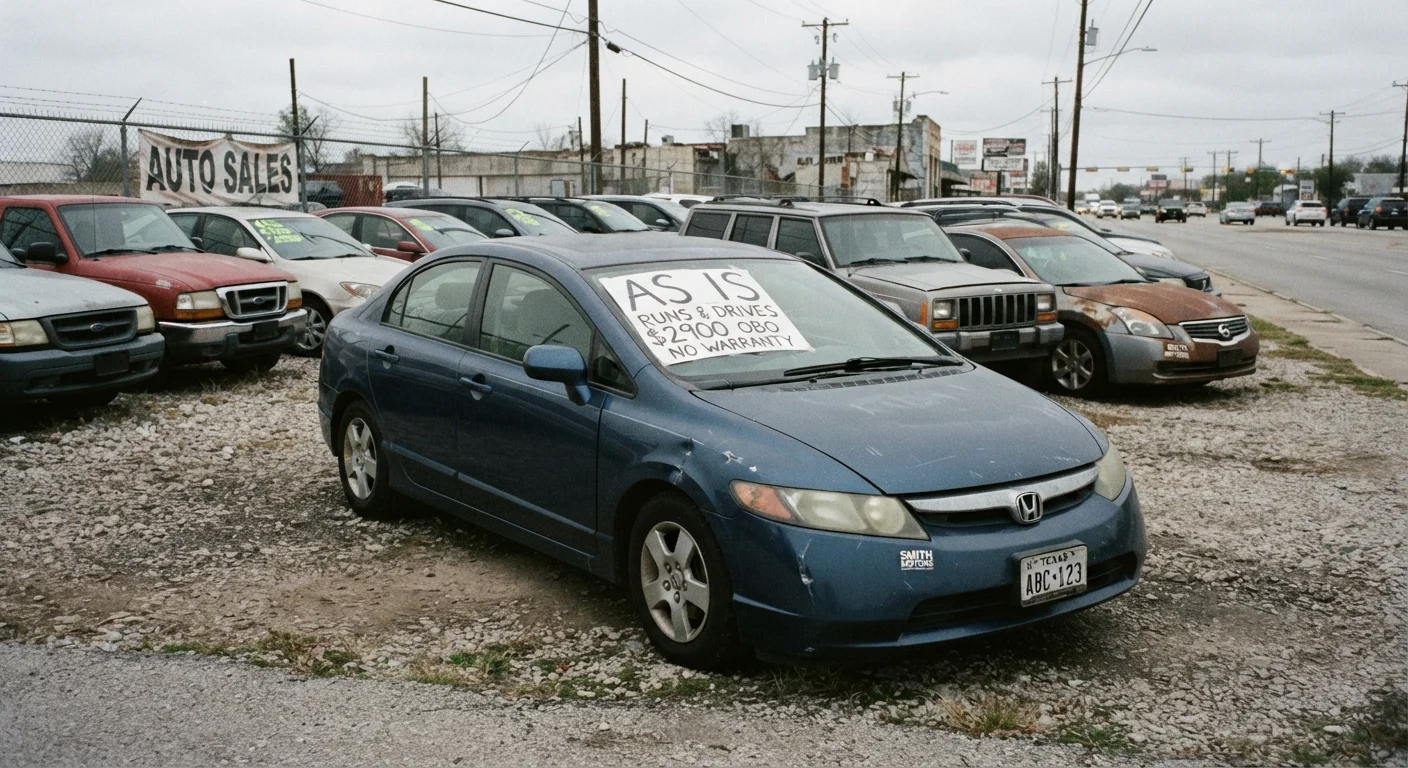


How a used car loan is structured
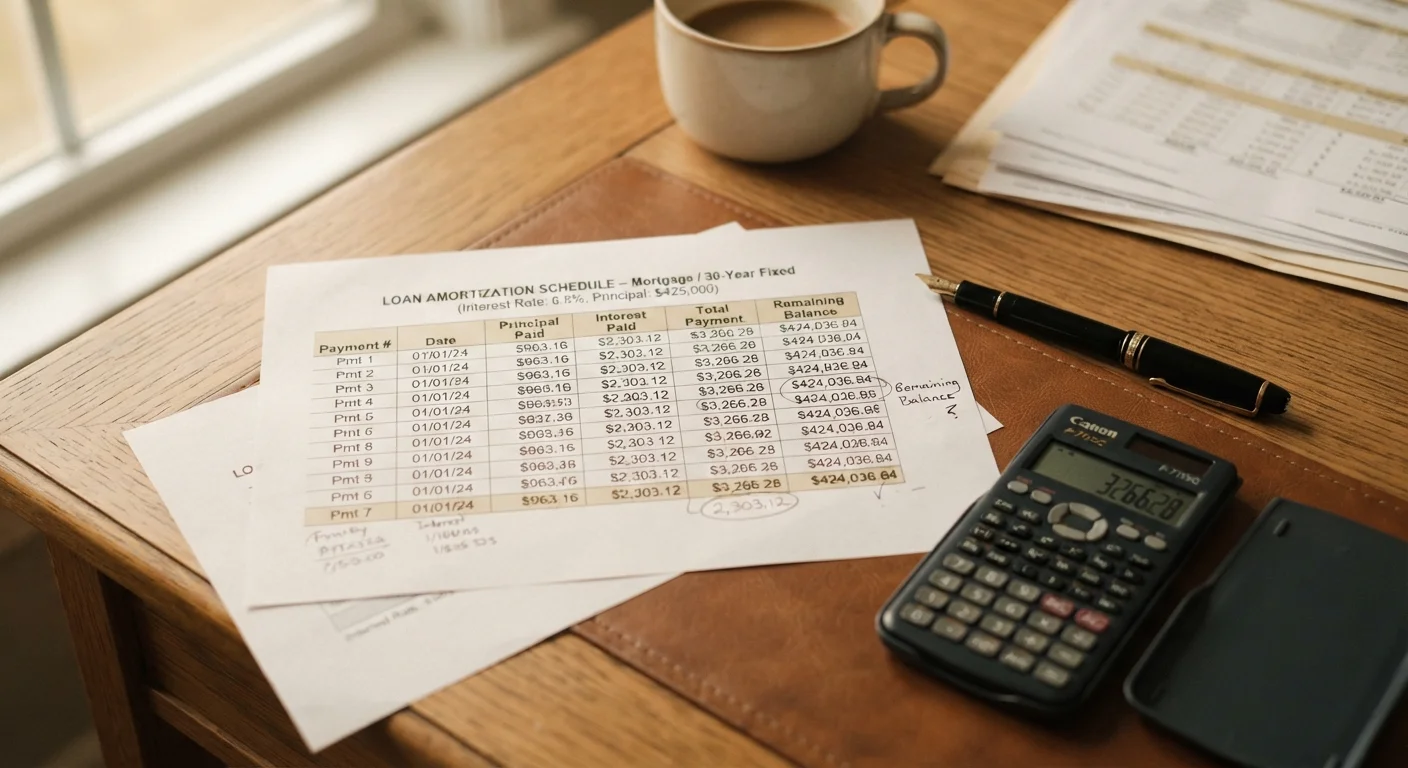
A used car loan works the same way as most installment loans. You borrow a set amount, the lender charges interest on that amount, and you pay it back in fixed monthly installments over the loan term. The total you repay is the original loan amount, called the principal, plus all the interest that accrues over the term.
The interest rate on your loan is expressed as an APR, which stands for annual percentage rate. APR folds in the interest rate and any lender fees, so it gives a more complete picture of what borrowing actually costs than the base interest rate alone.
Used car loans are secured loans. The vehicle is the collateral. If you stop making payments, the lender can repossess the car to recover what it is owed. Because of this, lenders pay close attention to what the vehicle is worth relative to the loan amount, a figure called the loan-to-value ratio.
For a broader foundation on how auto loans work in general, Auto Loan Basics: What Every First-Time Borrower Should Know covers the core concepts in plain terms.
Why used car loans differ from new car loans
Lenders price used car loans differently for a few concrete reasons. First, older vehicles depreciate faster and are harder to resell at a predictable value if a lender has to repossess. That added uncertainty is priced into the interest rate, which is why used car APRs are typically higher than new car APRs even for borrowers with identical credit profiles.
Second, loan terms tend to be shorter on older vehicles. A 72- or 84-month term on a 10-year-old car would mean you are still making payments long after the vehicle's value has dropped well below what you owe, a situation called being underwater on the loan. Lenders limit terms partly to reduce that risk.
Third, lenders apply vehicle-specific restrictions. Many set a maximum age, often 7 to 10 model years from the origination date, and a maximum mileage threshold. A car that exceeds either limit may not qualify for a standard auto loan at all, regardless of the borrower's creditworthiness.
Compare total cost, not just monthly payment
A longer loan term lowers your monthly payment but increases the total interest you pay over the life of the loan. When comparing loan offers, look at the total repayment amount alongside the monthly figure to understand the full cost of each option.
What lenders evaluate when you apply
Your credit score is one of the first things a lender checks. It shapes both your approval odds and the rate you are offered. A higher score generally means a lower APR; a lower score means a higher one, if approved at all. How Your Credit Score Shapes Every Auto Loan Offer You Receive explains what score ranges typically mean in practice.
Lenders also look at your debt-to-income ratio, which compares your monthly debt payments to your gross monthly income. A lower ratio suggests you have more room in your budget for an additional payment, which makes you a less risky borrower.
The vehicle itself is evaluated too. Lenders may check the car's history report, its current market value using industry valuation guides, and whether it meets their mileage and age requirements. A certified pre-owned vehicle sometimes carries additional documentation that makes this evaluation more straightforward, though it is worth understanding what CPO status actually costs you. Certified Pre-Owned vs. Regular Used: What the Difference Costs You breaks down that comparison.
Steps worth taking before you apply
Checking your credit report before you apply lets you catch any errors and understand where you stand. Errors do appear, and disputing one that lowers your score can improve the rate you are offered.
Gathering your documents in advance also makes the process smoother. Proof of income, a government-issued ID, proof of residence, and current insurance information are standard requirements. Before You Finance: A Pre-Application Checklist for Auto Loan Shoppers walks through what to have ready.
Seeking preapproval from a bank or credit union before you visit a dealer puts a concrete rate offer in your hand. You can then compare it against dealer financing rather than accepting a number without context. Getting Preapproved for an Auto Loan: A Step-by-Step Walkthrough covers how the preapproval process works.
Once you have a loan offer, reading the agreement carefully before signing matters. Reading an Auto Loan Agreement: The Clauses That Matter Most points out which sections to focus on, including prepayment penalties and default terms.
This article is for general informational purposes only and is not financial or legal advice. Loan terms, rates, and eligibility vary by lender and individual circumstances. Consult a licensed financial professional for guidance specific to your situation.