
Why used car myths persist
Used car buying involves enough uncertainty that rules of thumb feel reassuring. The problem is that many of those rules are oversimplified or flat-out wrong, and acting on them can lead to paying more than necessary or passing up a genuinely solid vehicle. The myths below come up repeatedly among early-stage buyers and are worth examining before they shape a purchase decision.
Myth
Rental cars are driven hard and abused, so you should never buy one.
Fact
Rental vehicles follow scheduled maintenance programs and are often sold with documented service records, making their histories more traceable than many privately owned cars.
The assumption is that renters treat cars carelessly. In practice, rental fleets are maintained on fixed schedules because operators are liable for breakdowns. Many are also sold at relatively low mileage, before major wear sets in. What matters most is the vehicle's condition at inspection, its service history, and whether a licensed mechanic finds any issues, not who owned it before.
Myth
Low mileage always means a car is in better shape.
Fact
Mileage is one data point, not a complete picture of condition. A car that sat unused for years can have more problems than one that was driven regularly and maintained well.
Rubber seals dry out, brake components corrode, and fluids degrade even when a car sits idle. Highway miles are generally easier on a vehicle than stop-and-go city miles, so a 90,000-mile highway commuter may be in better mechanical shape than a 40,000-mile city car. Mileage tells only part of the story when it comes to actual value and condition.
Myth
A certified pre-owned label means the car has been thoroughly vetted.
Fact
Certified pre-owned (CPO) programs differ significantly by manufacturer and dealership. The standards, inspection checklists, and warranty terms are not uniform.
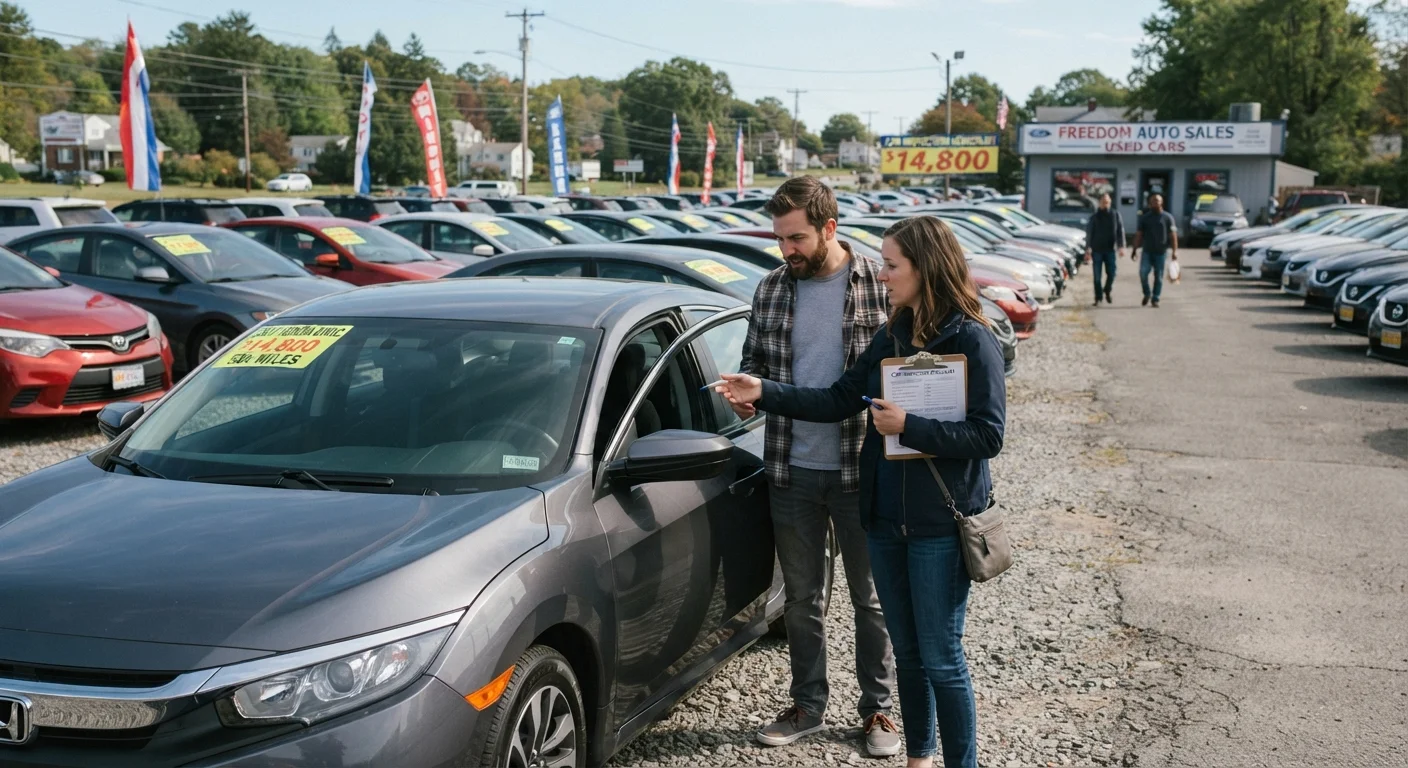
Some CPO programs require multi-point inspections and carry backed warranties with roadside assistance. Others use looser criteria and shorter coverage windows. Before paying the premium that a CPO label often commands, ask for the specific inspection checklist and read the warranty document carefully to understand what is and is not covered.
Myth
You will always get a worse interest rate financing through a dealership.
Fact
Dealerships sometimes have access to manufacturer financing programs or lender relationships that result in rates competitive with, or lower than, what a buyer can secure independently.
Getting preapproved through a bank or credit union before visiting a dealership is a sound strategy because it gives you a baseline rate to compare against. But that preapproval does not automatically win. The final rate depends on your credit profile, the lender, and the specific vehicle. Several auto loan myths, including the idea that dealer financing is always a bad deal, can cost buyers money if accepted without comparison.
Myth
As long as the car looks clean and drives well on a test drive, it is fine to buy.
Fact
A test drive and visual inspection miss most of the mechanical and structural issues that affect a vehicle's long-term reliability and safety.
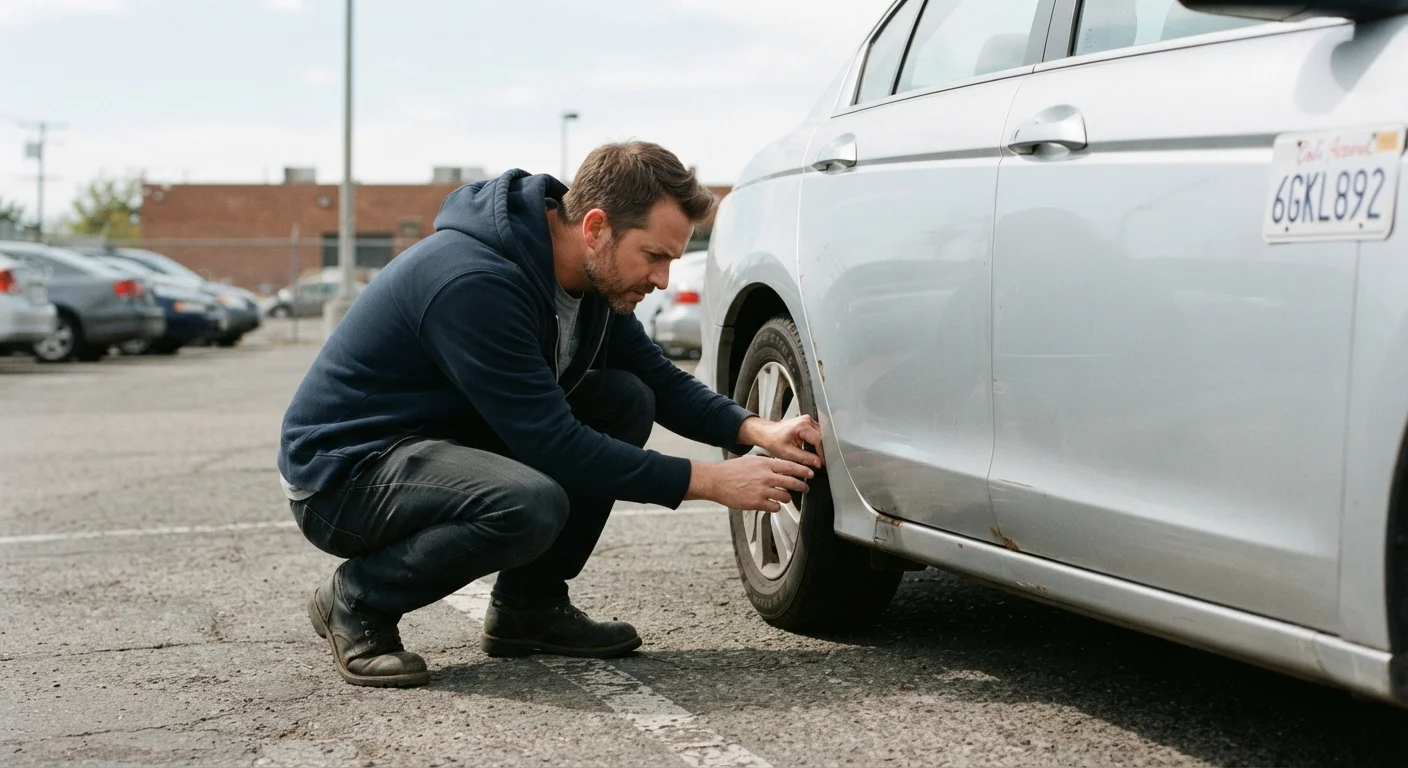
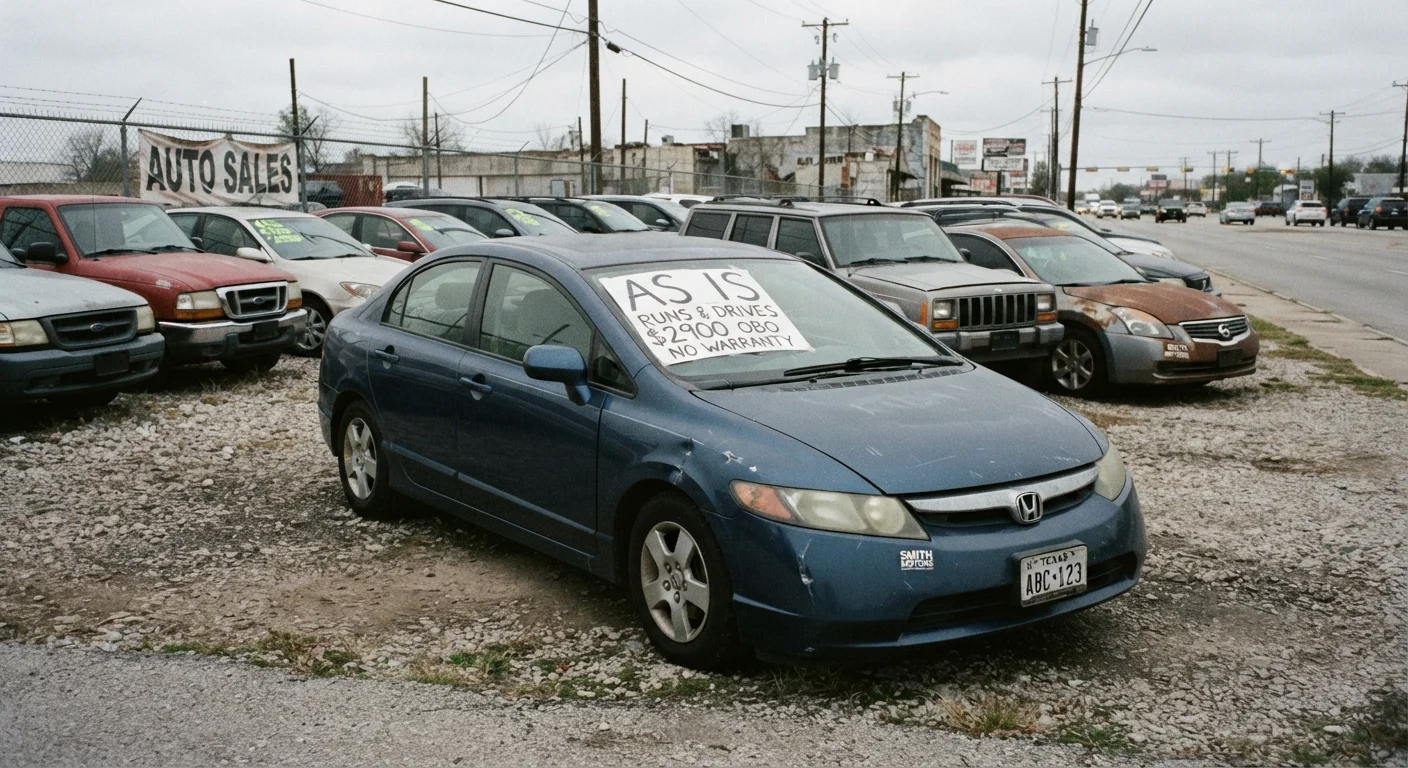
Frame damage, worn brake components, transmission problems, and pending emissions failures can all be invisible to an untrained eye during a short test drive. A pre-purchase inspection by a licensed mechanic, typically costing between $100 and $200, can surface problems that add thousands of dollars in repairs down the road. Buying a car as-is means those repair costs fall entirely on you once the sale closes.
[in_content_images:0]
Myth
Brand reputation alone tells you whether a used model is reliable.
Fact
Reliability varies by model year and trim level, not just by manufacturer. A brand known for quality can produce a specific year with documented issues, and vice versa.
Trusting brand reputation without checking a specific model year is one of the most common missteps buyers make. Owner complaint data, technical service bulletins, and recall history for the exact year and model you are considering give a more accurate picture than general brand impressions. Many brand quality assumptions do not hold up when tested against model-specific data.
What to do instead of relying on rules of thumb
A vehicle history report (such as one from a provider that pulls from accident, title, and odometer records) is a useful starting point, but it only captures events that were reported. Unreported accidents and deferred maintenance will not appear. That gap is exactly why a licensed mechanic's inspection matters so much.
When evaluating financing, gather at least one rate offer from your bank or credit union before visiting a dealership. That gives you a number to compare without committing to either option prematurely. For a fuller picture of what a vehicle will actually cost to own, see the true cost of owning a used car, which covers insurance, registration, maintenance, and fuel alongside the purchase price.
Skipping inspection can be costly
A pre-purchase inspection adds a small upfront cost but can reveal problems that would otherwise surface as expensive repairs after you own the vehicle. If a seller refuses to allow an independent inspection, that refusal itself is a signal worth taking seriously.
This article provides general educational information about the used car market and is not personalized financial or legal advice. Vehicle pricing, financing terms, and warranty coverage vary by provider, region, and individual circumstances. Consult a licensed mechanic before purchasing any used vehicle and a qualified financial professional for guidance on your specific situation.