
Why personal auto policies treat business use differently
A personal auto insurance policy is priced and structured around the assumption that you drive for personal reasons: errands, vacations, and a daily commute. When that same vehicle becomes a tool for generating income, the risk profile changes. More miles, more stops, tighter schedules, and unfamiliar routes all raise the statistical likelihood of an accident. Insurers price commercial risk separately, which is why most personal policies contain language that limits or denies coverage when a vehicle is used for business purposes during a claim.
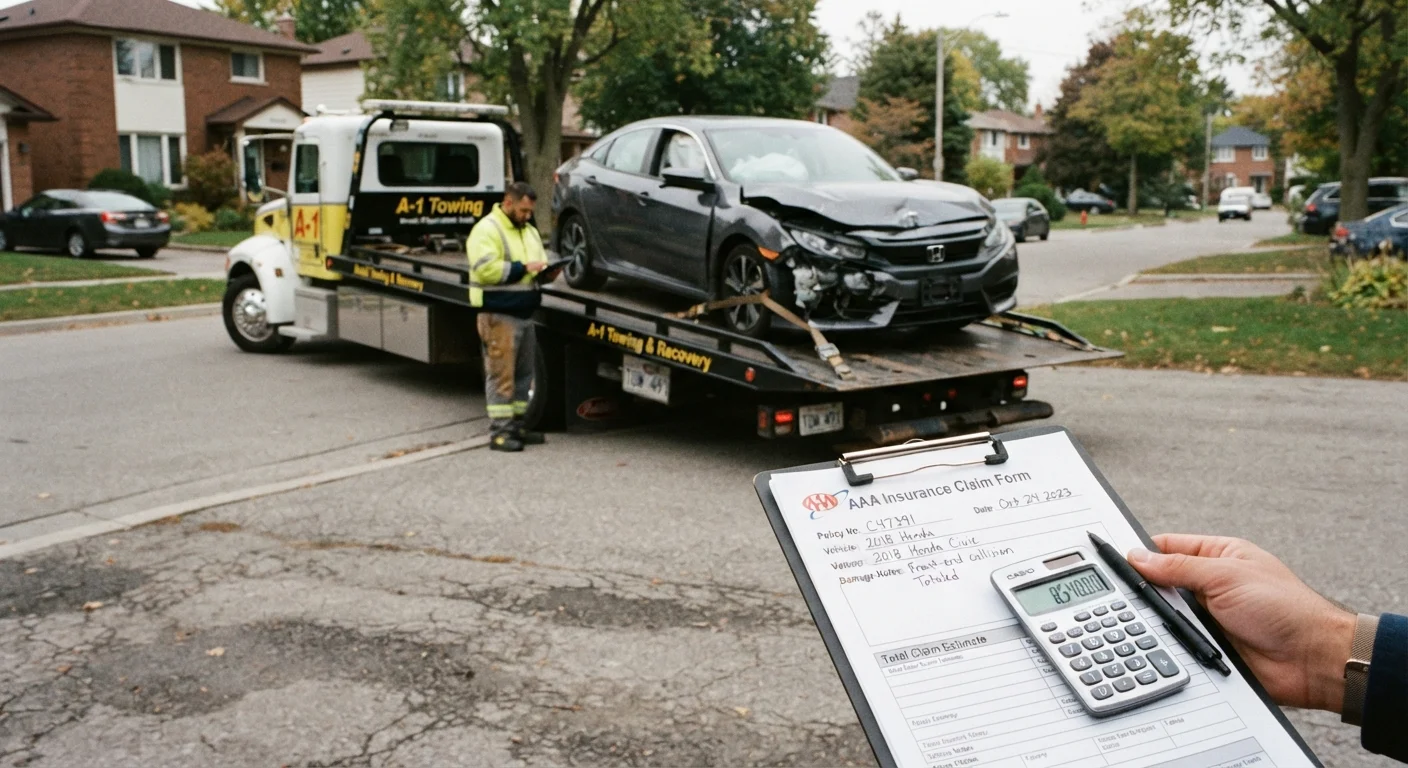
This is not a minor technicality. If you are involved in an accident while on a work errand and your insurer determines the trip falls outside your policy's personal-use definition, the claim can be partially or fully denied. That leaves you personally responsible for property damage, medical bills, and legal costs. See how personal policies are structured for a broader look at coverage types before you assess your own situation.
Common scenarios where coverage may not apply
The line between personal and business use is not always obvious. Several common driving patterns fall into gray areas that many drivers overlook.
Rideshare and delivery driving
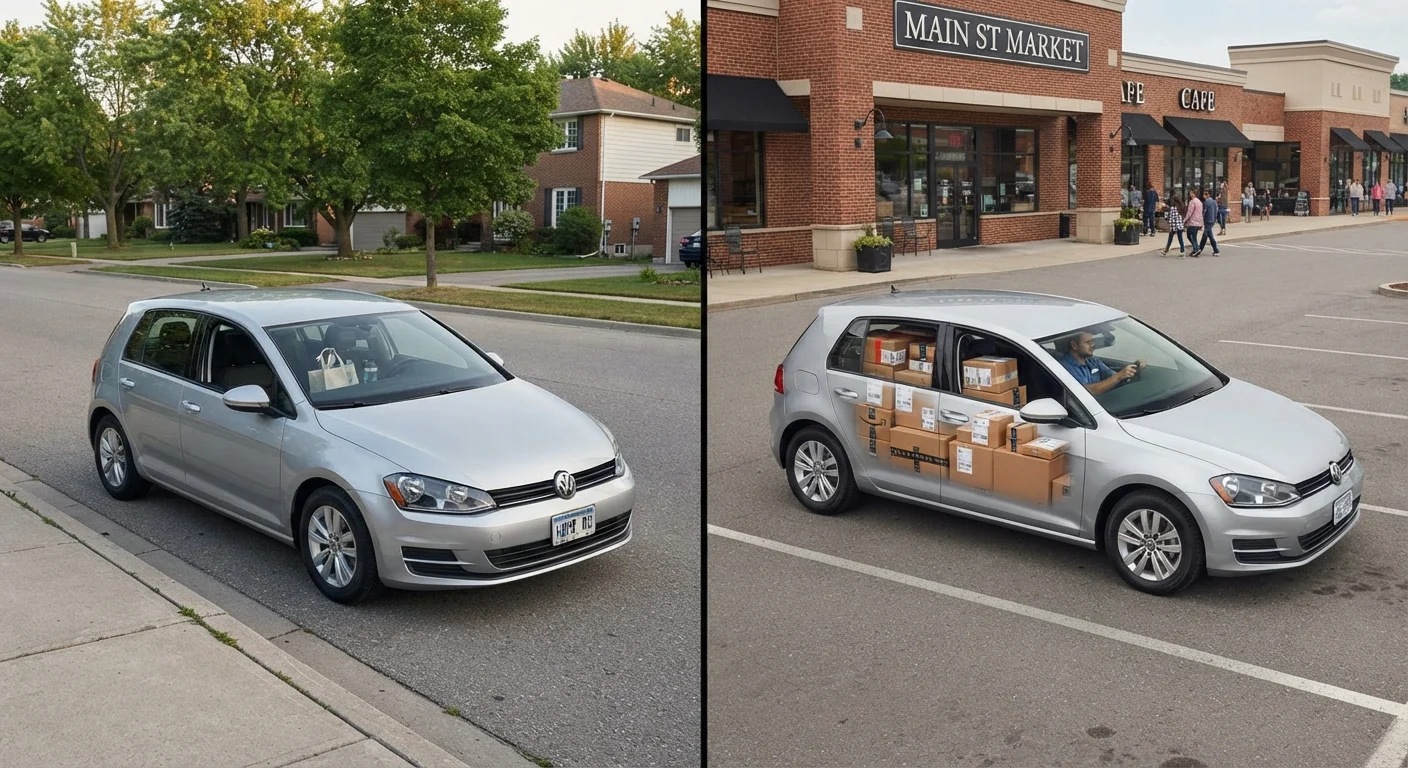
Driving for a rideshare platform or making deliveries for pay is among the most well-documented coverage gap scenarios. Most personal policies explicitly exclude coverage from the moment you activate a rideshare or delivery app, not just when a passenger or package is in the vehicle. Some insurers offer endorsements or period-specific coverage to address this, but the scope varies significantly.
Driving between job sites or client locations
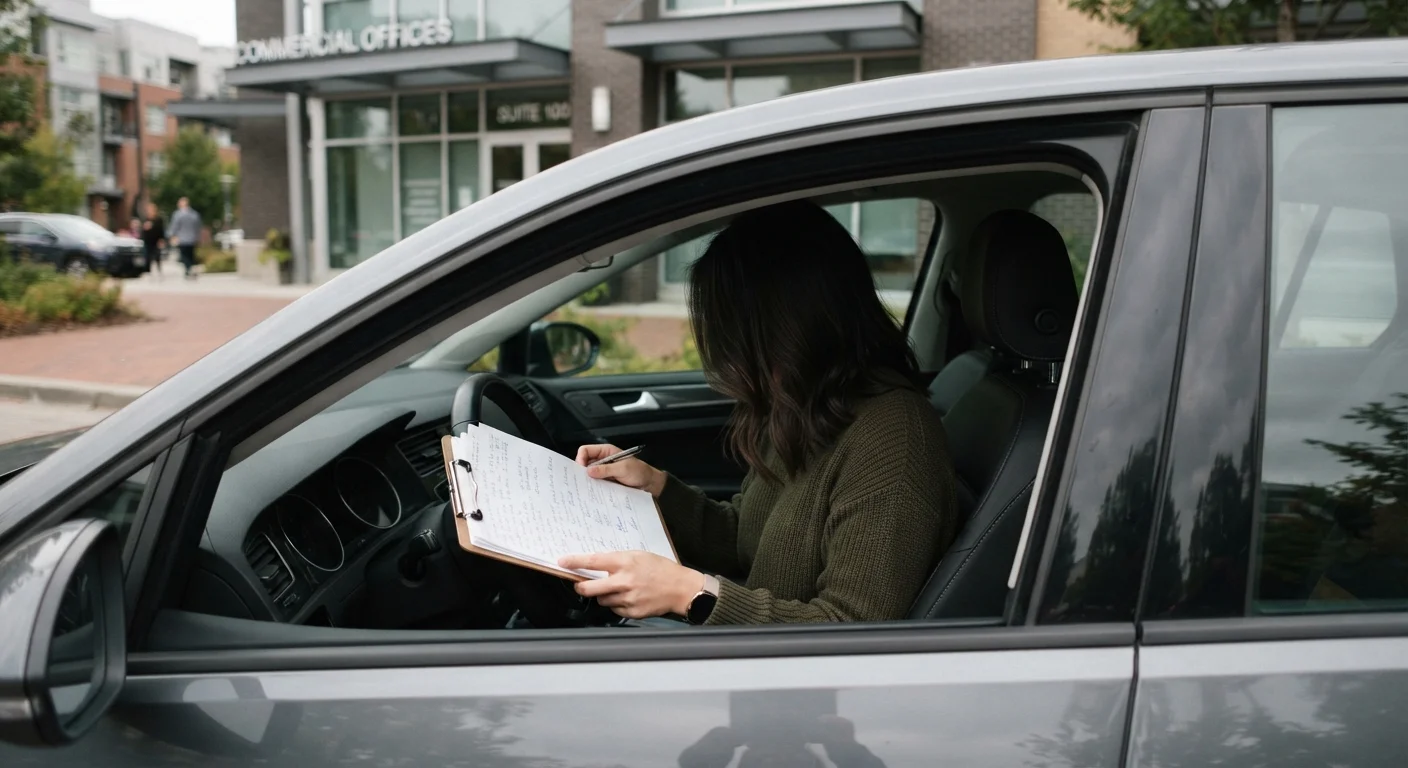
If your work requires you to drive from one job site to another, visit clients throughout the day, or transport tools or materials, that travel may fall under your insurer's definition of business use. A single commute to one fixed workplace is generally personal use. Multiple work-related stops in a single trip are a different matter.
Using your car as a sales or service vehicle
Real estate agents, home care workers, consultants, and others who use their personal vehicle as part of delivering a service face similar exposure. The vehicle may look the same to a bystander, but from a policy standpoint, the purpose of the trip determines which rules apply.
Several factors can affect your premium without your realizing it, and undisclosed business use is one that can also affect your eligibility for coverage entirely.
Coverage during rideshare periods can be complex
Rideshare platforms typically provide some level of commercial coverage while a trip is active, but the period between app activation and a match is often a gap zone. Your personal policy may exclude this window entirely. The specifics depend on both your insurer's policy language and the platform's coverage terms, so verify both before driving for hire.
Options for closing the coverage gap
Drivers who use their personal vehicles for work have several paths to more complete coverage. None of them is automatically right for every situation, and terms vary by insurer and state.
Business use endorsement
Some insurers allow you to add a business use endorsement to an existing personal policy. This extends coverage to certain work-related driving without requiring a separate commercial policy. It generally suits drivers who use their car occasionally for work tasks but do not depend on it as a primary business tool.
Rideshare or delivery endorsement
Several insurers now offer endorsements specifically designed to fill the gap during the periods when a rideshare or delivery app is active but a customer has not yet been matched. These endorsements are narrower than full commercial coverage and may not apply once a trip is accepted. Read the details carefully.
Commercial auto policy
For drivers who regularly haul equipment, carry employees, or operate a vehicle under a business name, a commercial auto policy provides broader protection. Commercial policies are underwritten differently and typically cost more than personal policies with endorsements, but they are structured for the actual risk involved.
Before making any change, review your current policy documents and speak with a licensed agent. A structured checklist for comparing plans can help you gather the right questions before that conversation.
This article is for general informational purposes only and is not personalized insurance, financial, or legal advice. Coverage terms, exclusions, and availability vary by insurer and state. Read your actual policy documents and consult a licensed insurance agent to understand how your specific situation is covered.