
Where the old categories came from
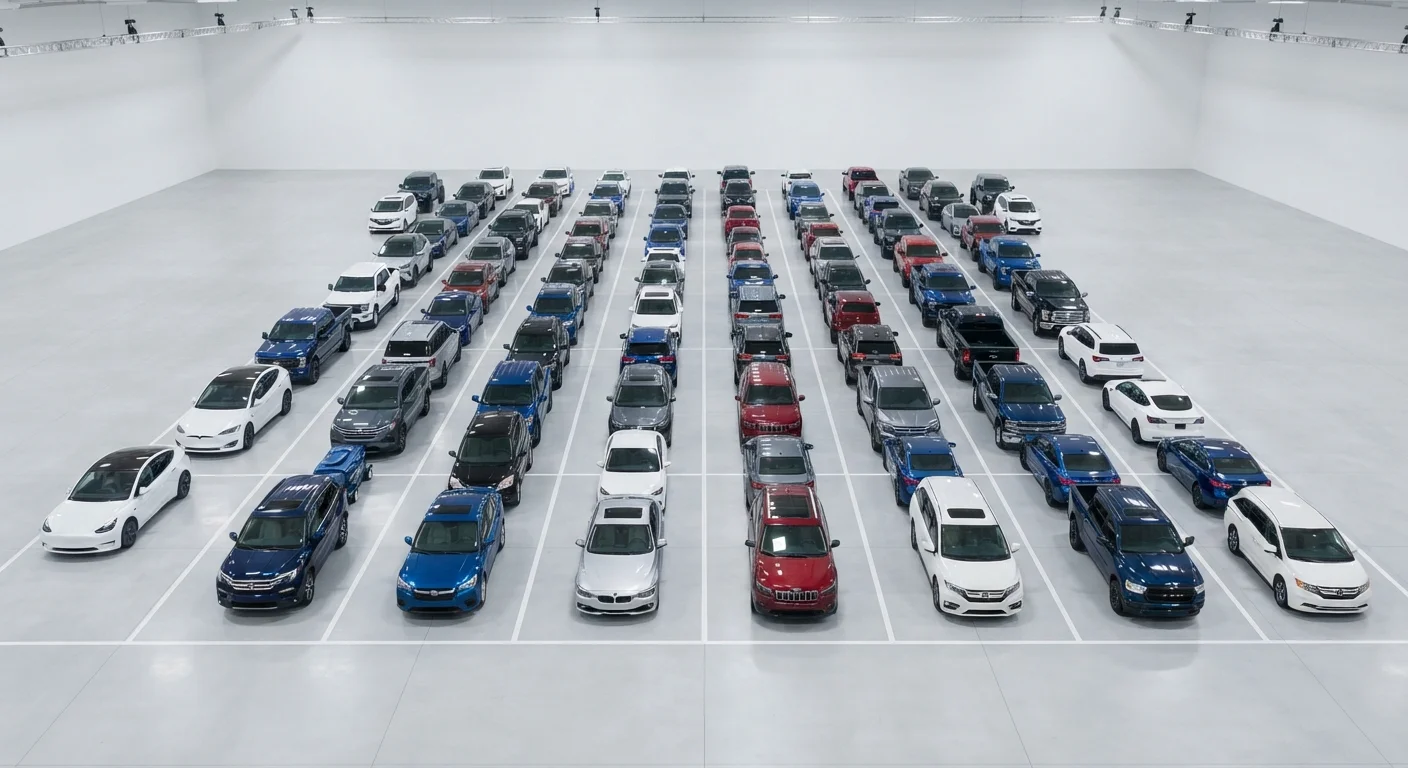
For most of the twentieth century, the domestic vs. import divide was straightforward. General Motors, Ford, and Chrysler built cars in American factories for American buyers. Japanese and European automakers exported vehicles into the U.S. market, often with reputations tied closely to their home countries.
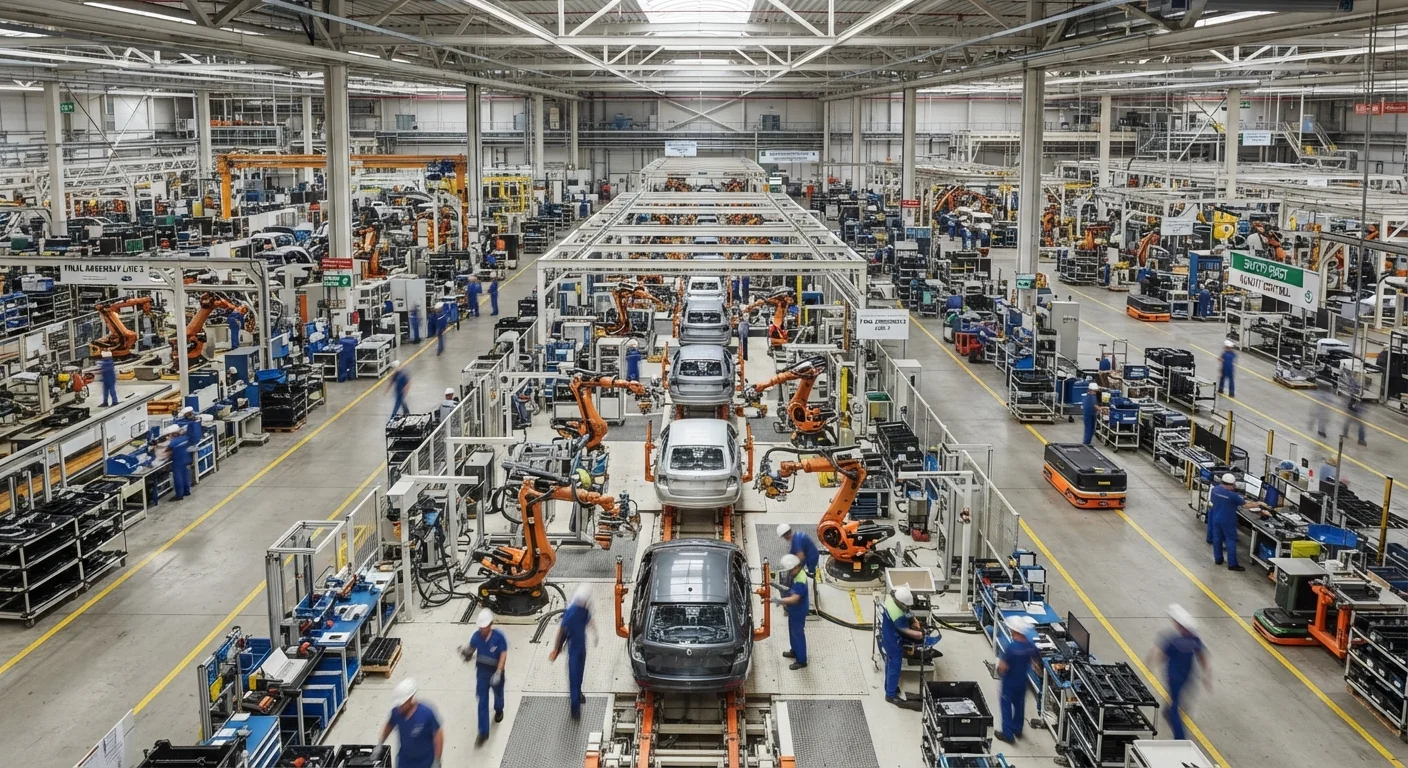
That picture changed gradually through the 1980s and 1990s. Trade agreements, consumer demand, and manufacturing economics pushed foreign-headquartered automakers to open U.S. plants. Toyota, Honda, BMW, and others now operate assembly facilities in states including Alabama, Kentucky, Ohio, and South Carolina. At the same time, some vehicles sold under American brand names contain a higher percentage of foreign-sourced parts than certain models from import brands.
The label "domestic" today refers to brand ownership and corporate headquarters, not necessarily where a vehicle is built or where its components originate.
What the distinction still means
Brand origin still carries some practical weight for shoppers, even if it no longer predicts quality on its own.
Dealer networks: Ford, Chevrolet, Ram, and GMC dealers are among the most widely distributed in the country. For buyers in rural areas or smaller cities, a domestic brand dealer may simply be closer, which matters for routine service and warranty work.
Segment strengths: Domestic automakers dominate the full-size truck market. The Ford F-Series, Chevrolet Silverado, and Ram 1500 have held the top sales positions in their segment for years. Import brands have fewer entries in heavy-duty and body-on-frame categories. Conversely, Japanese and Korean brands have historically invested heavily in compact and midsize car platforms, and that expertise shows in the variety of options available.
Understanding how model ranges are structured by brand can help you see where each automaker concentrates its engineering resources.
Resale value: Resale performance varies by model and condition, but certain import brands, particularly Toyota and Honda, have long posted competitive retained value figures in industry data. That said, some domestic trucks and SUVs also hold value well, and no brand-level generalization applies to every model.
| Criterion | Domestic brands | Import brands |
|---|---|---|
| Corporate headquarters | United States | Japan, South Korea, Germany, others |
| U.S. assembly plants | Widespread | Many brands, varies by model |
| Full-size truck selection | Widest range | Limited entries |
| Compact and midsize cars | Reduced lineup in recent years | Broad selection |
| Dealer network density | Among the largest in the U.S. | Varies by brand |
| Long-term reliability data | Improved; varies by model | Several brands rank consistently high |
| Resale value | Strong in trucks and SUVs | Strong in several sedans and crossovers |
Reliability and ownership costs
Reliability rankings from organizations like J.D. Power and Consumer Reports measure reported problems per vehicle over defined periods. Results shift year to year, and domestic brands have narrowed gaps that were more pronounced in the 1990s. A buyer comparing specific models will get more useful data than one comparing broad domestic vs. import categories.
Insurance costs depend on the individual vehicle, the driver's history, and the insurer. Brand origin is not a primary rating factor. For general guidance on how vehicle type affects insurance, auto insurance resources can provide context, though any real premium depends on your own circumstances and requires a quote from a licensed provider.
Several persistent myths about brand quality still circulate among first-time buyers, including the idea that German engineering is uniformly superior or that American trucks always outlast imports. Neither claim holds up consistently against model-level data.
How to think about brand origin when shopping
Brand origin is one data point, not a decision framework on its own. A more reliable process starts with the specific model, not the country of headquarters.
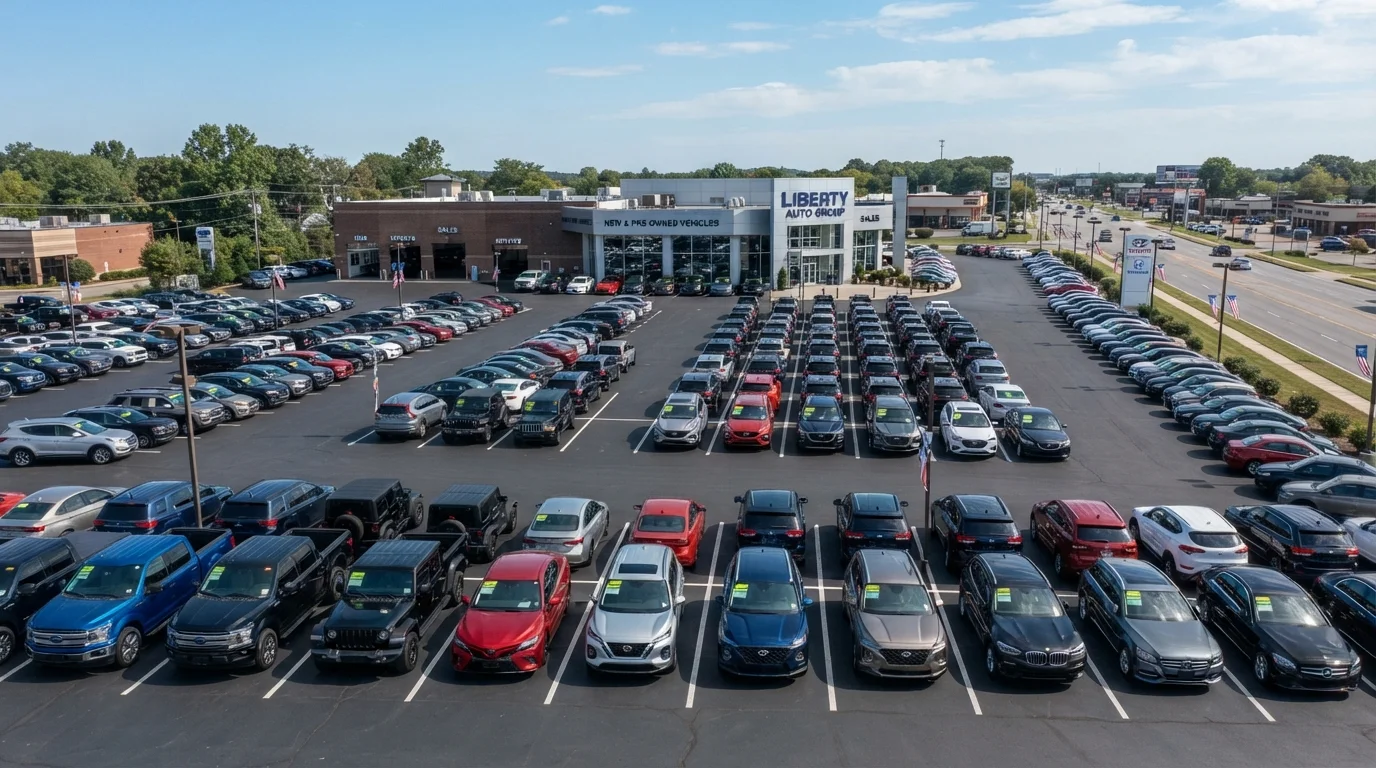
Check reliability data for the model year and trim you are considering. Review total cost of ownership estimates, including insurance, fuel, and scheduled maintenance intervals. Confirm that a dealer is accessible for warranty service. If you are buying used, where you buy the vehicle can affect what documentation and protections you receive.
Brand loyalty can simplify a decision, but it can also steer you past models that would have served you better. The domestic vs. import frame made more sense when the two categories were genuinely separate industries. Today, most major automakers operate globally, share platforms across regions, and compete in overlapping segments. The vehicle record, not the flag on the badge, is the more durable starting point.
This article is for general informational purposes only and does not constitute financial, insurance, or purchasing advice. Coverage terms, costs, and product availability vary by provider and region. Consult a licensed professional for guidance specific to your situation.