
Why the letter classifications exist
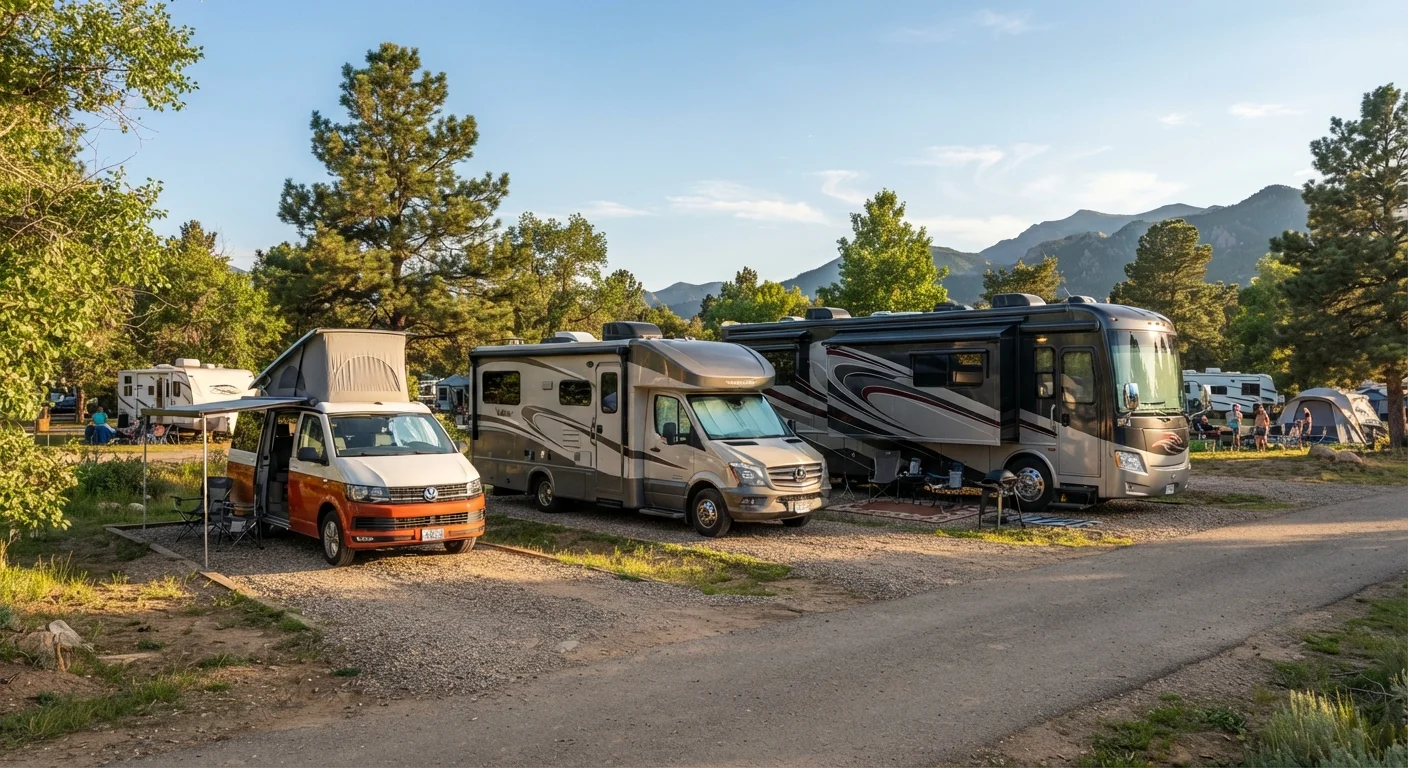
The RV industry uses Class A, B, and C as shorthand for three distinct motorhome categories. These labels are not government standards; they come from the Recreation Vehicle Industry Association (RVIA) and have been used by manufacturers and dealers for decades. Each class describes how a motorhome is built, roughly how large it is, and what kind of chassis it sits on. Knowing the differences up front saves a lot of time when you start comparing options.
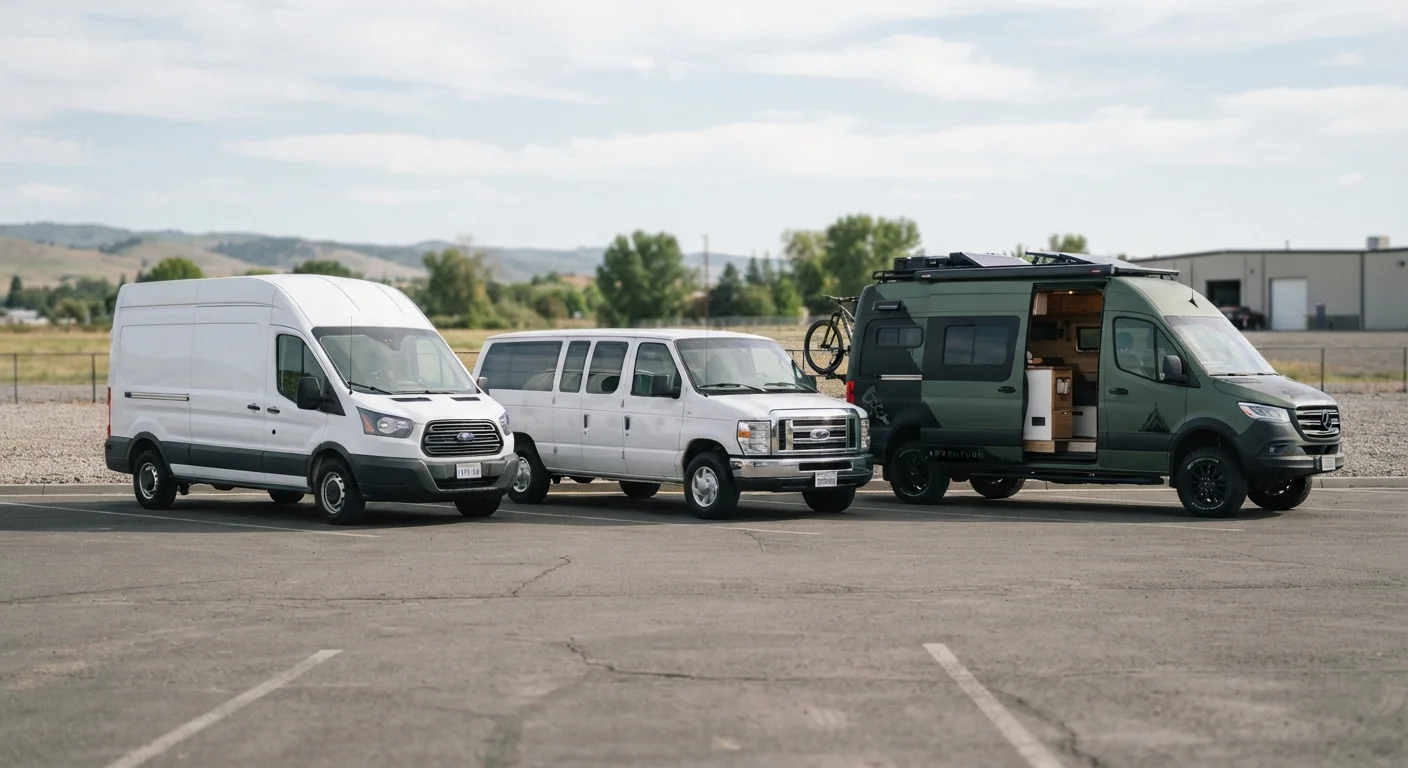
All three are self-propelled, meaning the living space and the engine are in one unit. That separates them from towable RVs such as travel trailers and fifth wheels, which need a separate tow vehicle. If you are also weighing non-motorized options, see our comparison of cargo, passenger, and conversion vans for a different angle on the van-based market.
| Class A length range | 26 to 45 feet (RVIA industry guidelines) |
| Class B length range | 18 to 24 feet (RVIA industry guidelines) |
| Class C length range | 20 to 35 feet (RVIA industry guidelines) |
| Drive type | Self-propelled (no tow vehicle needed) |
| Class B chassis | Full-size van platform |
| Class C distinguishing feature | Cab-over section above driver |
Class A: the largest motorhomes
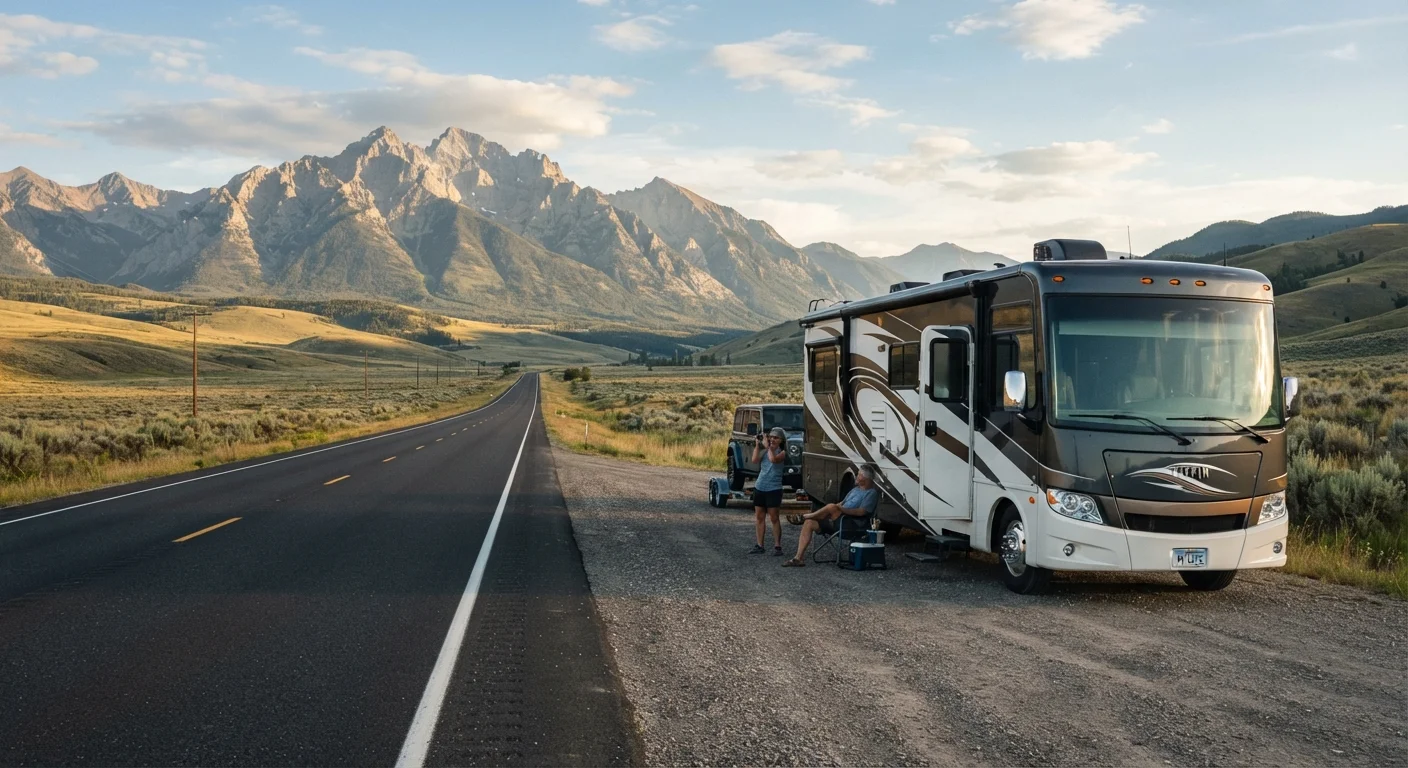
Class A motorhomes are built on a heavy-duty commercial bus or truck chassis. The front of the vehicle is a flat or slightly sloped wall, not a hood, which gives the driver a distinctive high seating position. Lengths commonly run from about 26 feet to 45 feet.
Inside, you typically get a full kitchen, a separate bedroom, one or more bathrooms, and slide-out rooms that expand the living area when parked. Diesel-powered Class A models (sometimes called diesel pushers because the engine sits at the rear) generally cost more than gas-powered versions and carry higher fuel and maintenance costs to match.
Purchase prices for new Class A motorhomes span a wide range, and used models vary just as much. Because of their size, they require more practice to drive, and some campgrounds or roads have length restrictions that can limit where you go. Before financing one, it is worth reading about how RV loans generally work so you understand the loan structures involved.
Class B: van-based motorhomes
Class B motorhomes are built on a standard full-size van chassis, with a raised roof to add headroom. Most are between 18 and 24 feet long. That makes them the most maneuverable of the three classes and the only ones that fit in a regular parking space or a residential garage.
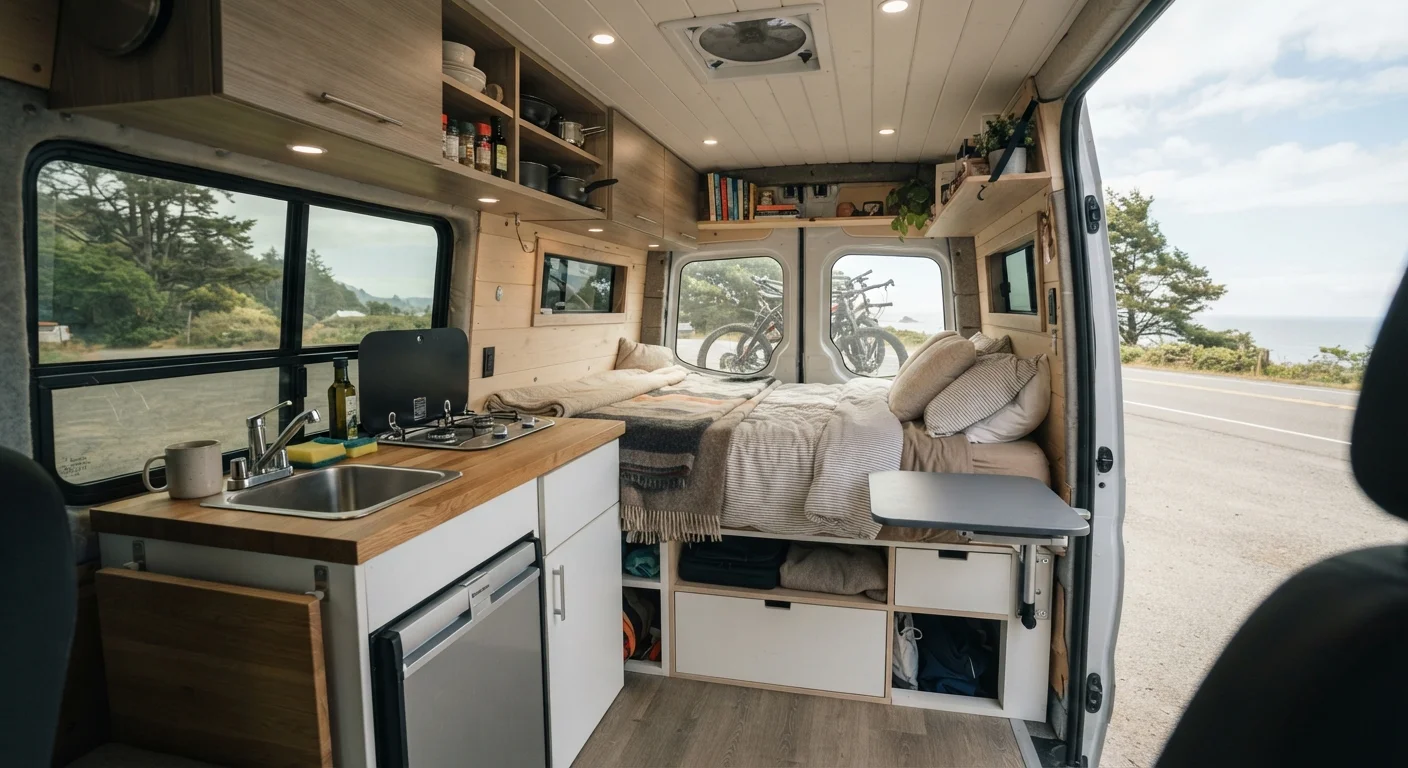
The trade-off is space. A Class B has a compact sleeping area, a small kitchenette, and often a wet bath (where the toilet, sink, and shower share one small room). Couples who travel light often find them practical. Larger groups or anyone who wants a separate bedroom will feel the limits quickly.
Because they drive like a large van, Class B owners generally need less adjustment time behind the wheel. Fuel economy is also better relative to the larger classes, though it varies by engine and load.
Class C: the middle ground
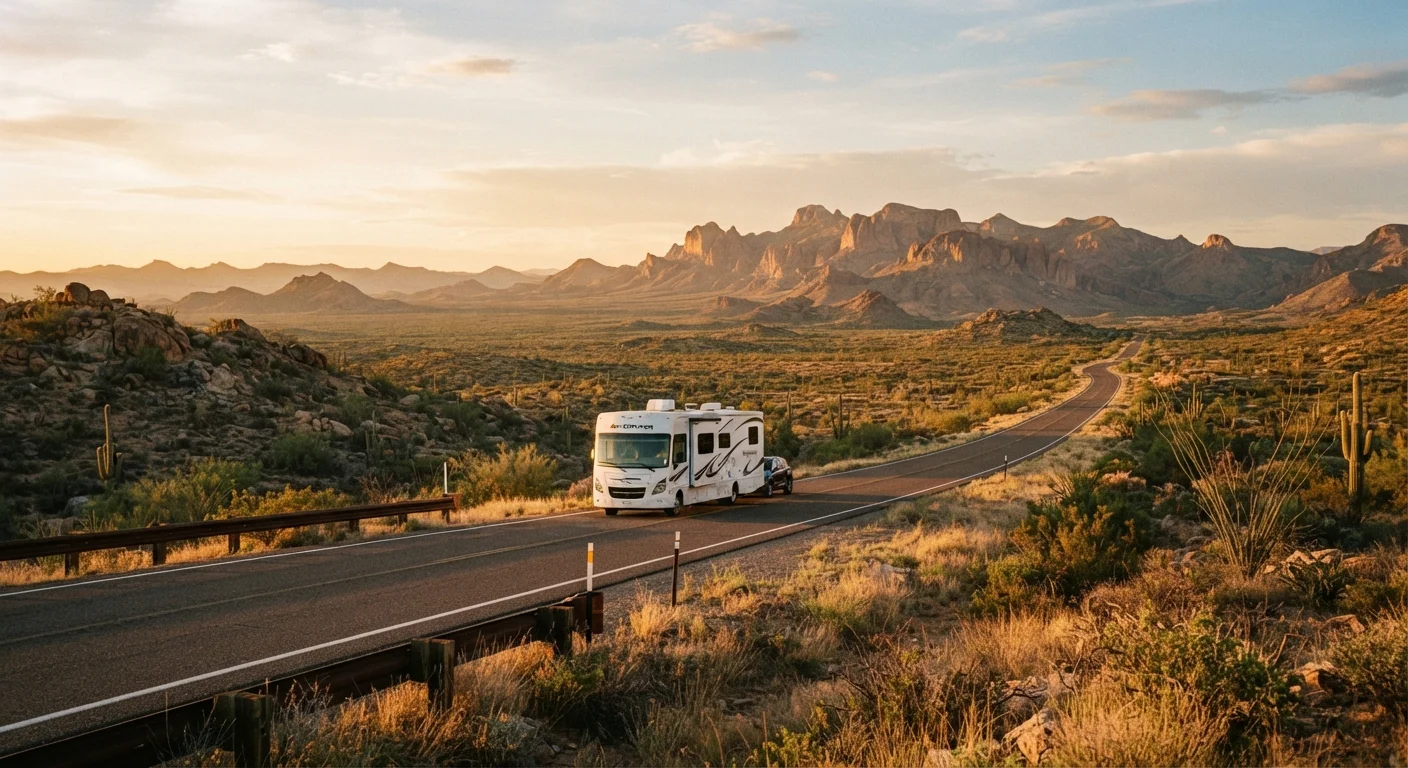
Class C motorhomes are built on a cutaway truck or van chassis, meaning the cab section of a van or truck is kept intact and the living module is built onto the back. The cab-over section above the driver and passenger seats is a signature feature; it usually contains extra sleeping space or storage.
Lengths generally fall between 20 and 35 feet. Class C motorhomes offer more living space than Class B without reaching the size of a full Class A. A typical floor plan includes a kitchen, a bathroom, a dinette, and one or two sleeping areas. Many families find this size workable for road trips.
Driving a Class C is closer to driving a large box truck than a bus, which many people find approachable. The cab-over design does mean visibility can be more limited than in a Class A with its high windshield.
Insurance considerations differ by class because size, weight, and value all affect coverage options. Our overview of RV insurance coverage types and factors explains what to ask about before committing to any motorhome purchase. If you do move forward with buying, the checklist in what to inspect before buying a used RV covers the systems and records worth examining in person.
This article is for general informational purposes only. It is not financial, insurance, or legal advice. Coverage terms, loan structures, and vehicle specifications vary by provider and situation. Consult a licensed agent or adviser for guidance specific to your circumstances.