
What this checklist is for
Buying a used RV or camper van takes more than a test drive and a handshake. These vehicles combine a chassis with a living space that has its own plumbing, electrical, propane, and climate systems. Each system can fail independently, and repair costs in the RV world can climb fast. This checklist walks through what to examine in person, what records to gather beforehand, and which issues are serious enough to reconsider a purchase.
If you are still weighing whether a van or a larger RV fits your plans, see Van Life vs. RV Life for a side-by-side look at both lifestyles. For a full picture of ongoing costs beyond the purchase price, The Real Costs of Owning an RV covers fuel, insurance, storage, and maintenance in detail.
Bring the tools listed below and plan for at least an hour on-site. Rushing a walk-through is how buyers miss the problems that cost thousands to fix.
Vehicle history report
Reveals past accidents, title issues, odometer readings, and ownership history for the chassis.
Flashlight
Lets you see into storage bays, under chassis, and behind appliances where leaks and rust hide.
Moisture meter
Detects elevated moisture levels in walls, floors, and ceilings that are invisible to the eye.
Outlet tester
Checks that 120V shore-power outlets are wired correctly and grounded.
Notebook or phone for photos
Documents every concern found during the walk-through for later review or negotiation.
Qualified RV technician
Provides a professional pre-purchase inspection covering systems a buyer may not be trained to assess.
How to work through the checklist
Start with paperwork before you drive anywhere. A title with a lien, a flood notation on the vehicle history report, or a VIN that does not match the door placard ends the process before you spend an afternoon inspecting. Private seller vs. dealership contexts differ in what records you can realistically expect, so know what to ask for based on who is selling.
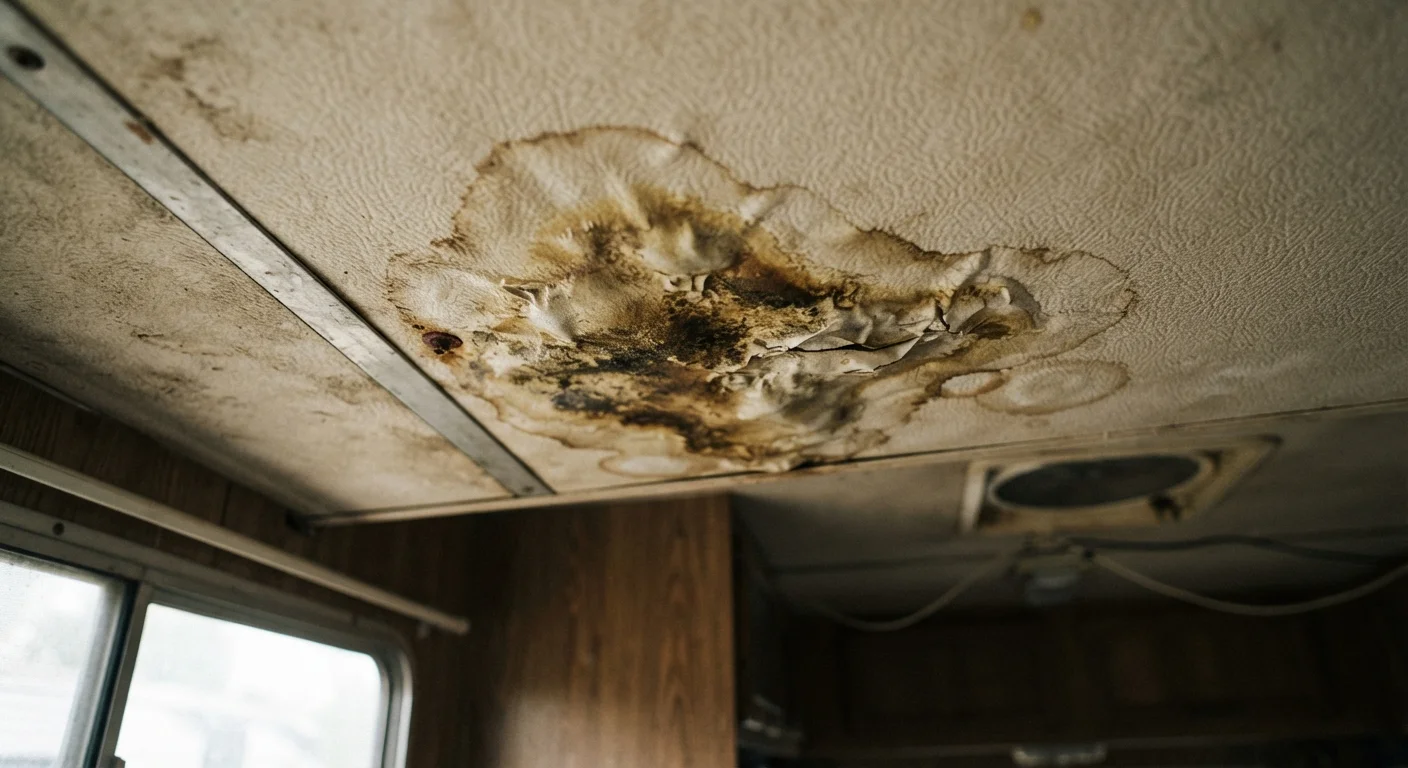
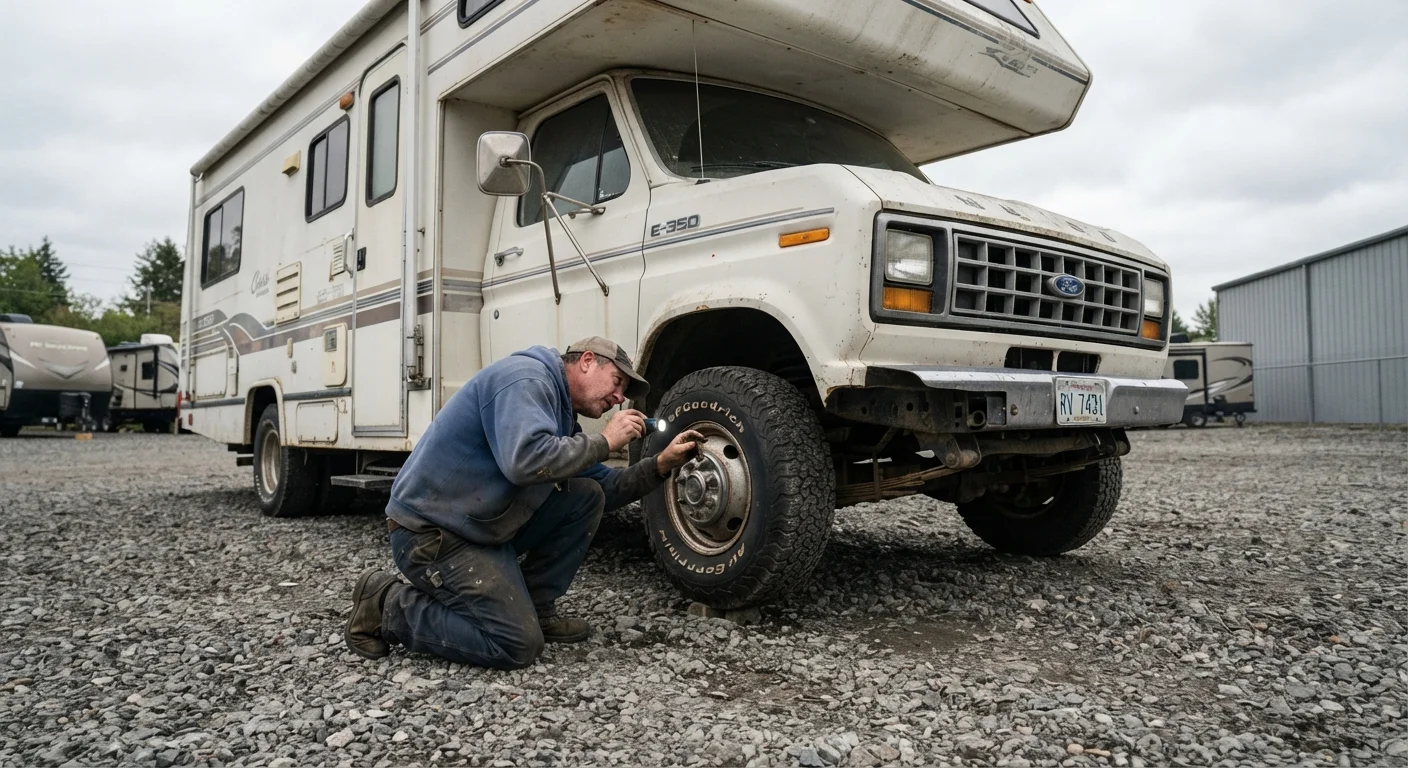
Once paperwork clears, move through the exterior methodically before stepping inside. Water damage is the issue that sidelines more used RV purchases than any other, and it starts on the outside. Press on walls, check every seam, and get eyes on the roof. Inside, use a moisture meter rather than relying on sight alone, because staining can be painted over but elevated moisture cannot be hidden from a meter.
Run every system while you are on-site. Propane appliances, slide-outs, the water pump, and the electrical panel all need to be operated under your observation. A seller who discourages testing any system is a meaningful warning sign.
Records and paperwork
Exterior and structure
Interior and water damage
Mechanical and chassis systems
Living systems
After your walk-through, an independent inspection by a qualified RV technician is worth scheduling before you finalize anything. Getting a used vehicle independently inspected explains how that process generally works and what to expect from it.
Flood and salvage titles change everything
A flood-titled or salvage-titled RV may look fine on the surface, but hidden corrosion and electrical damage can appear months later. Confirm the title status through your state DMV and through the vehicle history report. Financing and insurance for salvage-title vehicles can also be difficult to obtain, so factor that into your decision before proceeding.
Next steps after the inspection
If the vehicle passes your walk-through and a professional inspection, the next practical step is financing. Financing a Van or RV covers how these loans are structured and what lenders typically look at. The broader Auto Loans hub has additional background on loan terms and how to compare them.
Insurance is the other piece to sort before you take possession. RV insurance differs from standard auto coverage because it can include personal property inside the vehicle, vacation liability, and full-timer coverage if you plan to live in it. Coverage terms, exclusions, and premiums vary by provider and by state. Read any policy document carefully and speak with a licensed insurance agent to understand what you are actually buying. This article provides general information only and is not insurance or financial advice; consult a licensed professional for guidance specific to your situation.
If you want to experience the RV lifestyle before committing to a purchase, Renting vs. Buying an RV walks through the honest tradeoffs of each path. And once you do have keys in hand, Planning Your First Extended Road Trip in an RV covers what goes into a multi-week trip.
This article is for general informational purposes only and does not constitute financial, insurance, or legal advice. Coverage terms, loan conditions, and regulations vary by provider and state. Consult a licensed agent or qualified professional before making decisions based on your individual circumstances.