
What you are actually choosing between
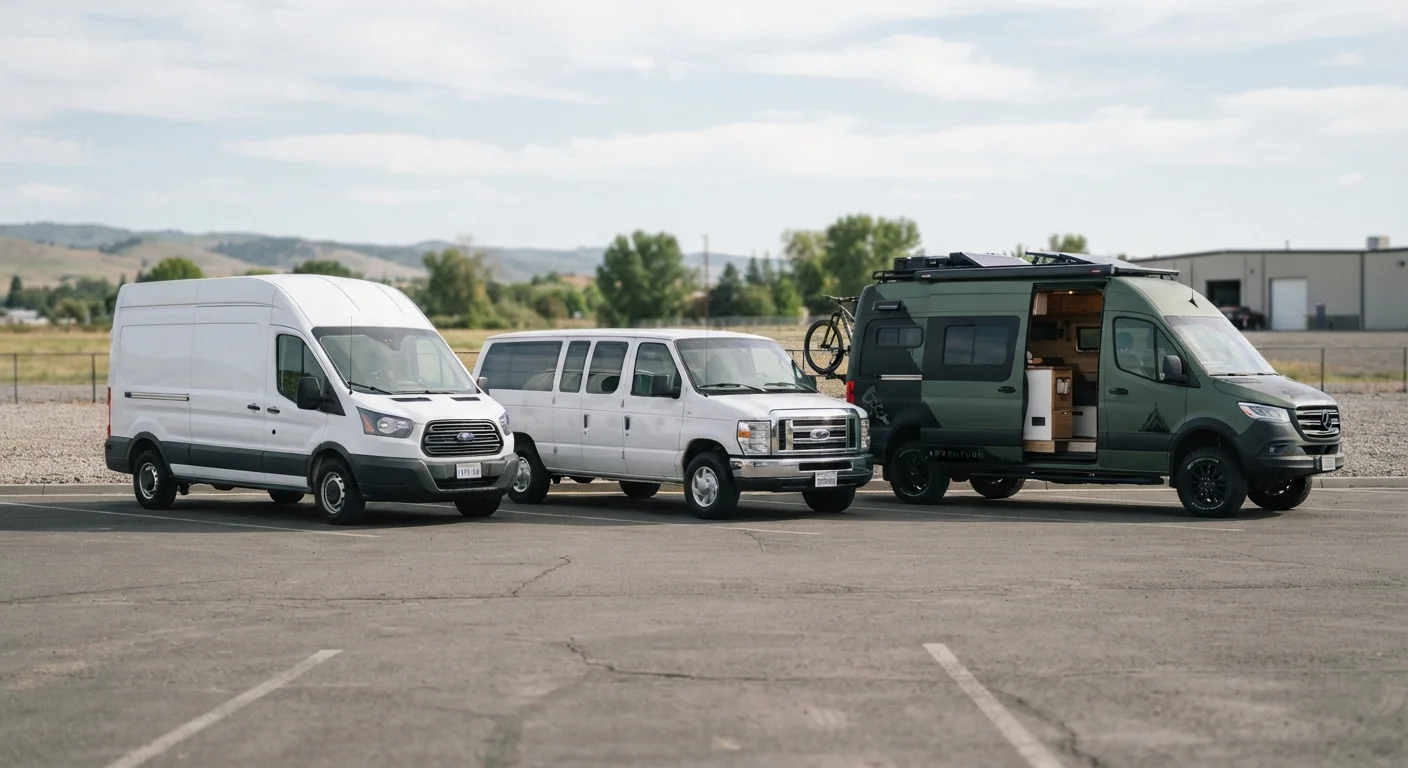
Van life and RV life both put a roof over your head while you travel, but they are built around different assumptions about what you need. A converted van is, at its core, a cargo or passenger vehicle that has been fitted with sleeping, cooking, and sometimes bathing equipment. An RV is a purpose-built or purpose-converted unit designed from the start as a living space on wheels. That difference in origin shapes everything from cost to daily routine.
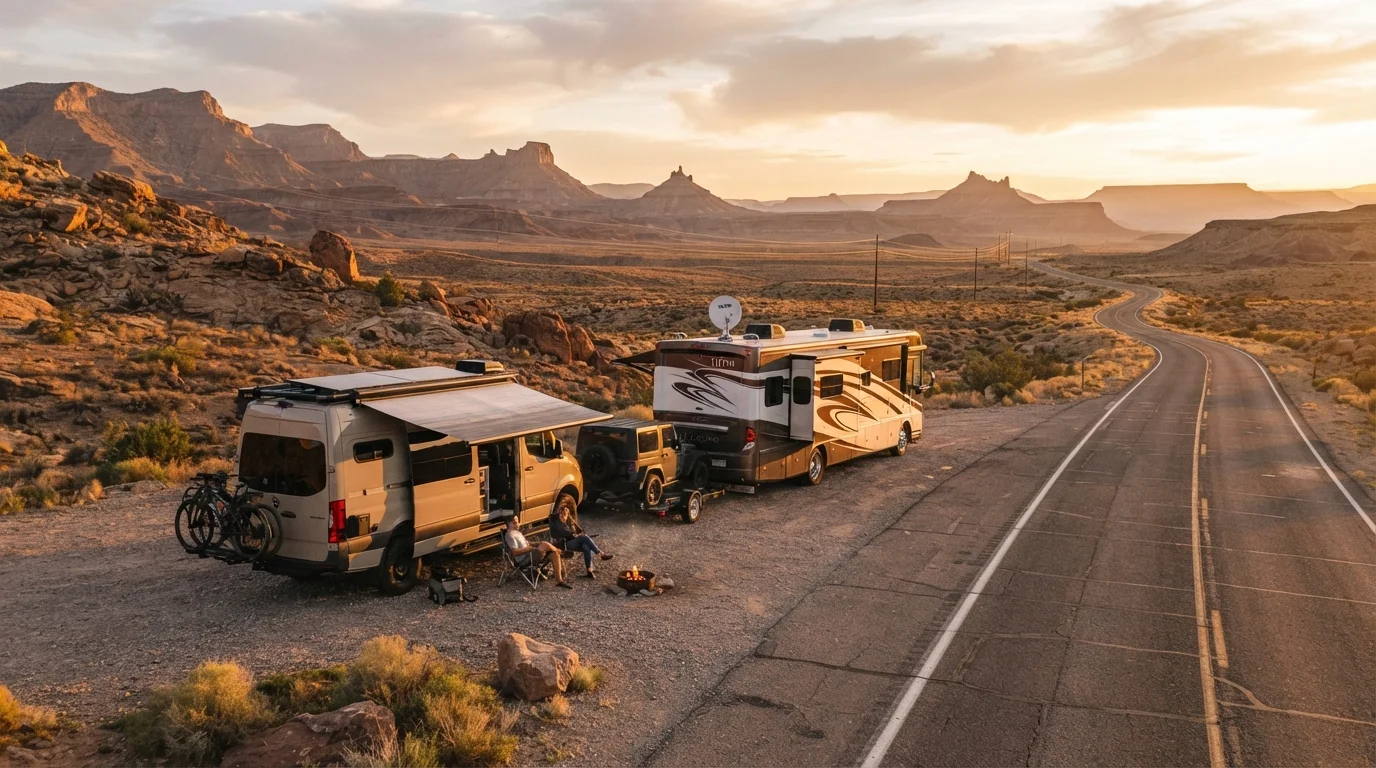
Neither is objectively better. The right choice depends on how many people are traveling, how long you plan to be on the road, what level of comfort you need, and how much you can spend up front and month to month.
Costs: purchase, fuel, and upkeep
Vans generally cost less at purchase. A used cargo van suitable for conversion can be found for a wide range of prices depending on age, mileage, and condition. The conversion itself, whether you do it yourself or hire it out, adds to that cost. A full professional conversion with insulation, a kitchenette, solar power, and a sleeping platform can run from several thousand dollars to well over $50,000 for a high-end build.
RVs have a broader price range. A used Class C motorhome or travel trailer can start in the low tens of thousands, while new Class A motorhomes can exceed $100,000 or more. Travel trailers require a tow vehicle with adequate capacity, which adds to the total cost if you do not already own one.
Fuel is a meaningful ongoing cost for both, but RVs typically get lower miles per gallon than vans. Maintenance costs on an RV can also be higher because more systems, such as slide-outs, generators, and holding tanks, can require service. For general information on how financing works for either vehicle type, see how van and RV loans generally work.
Space, comfort, and daily life
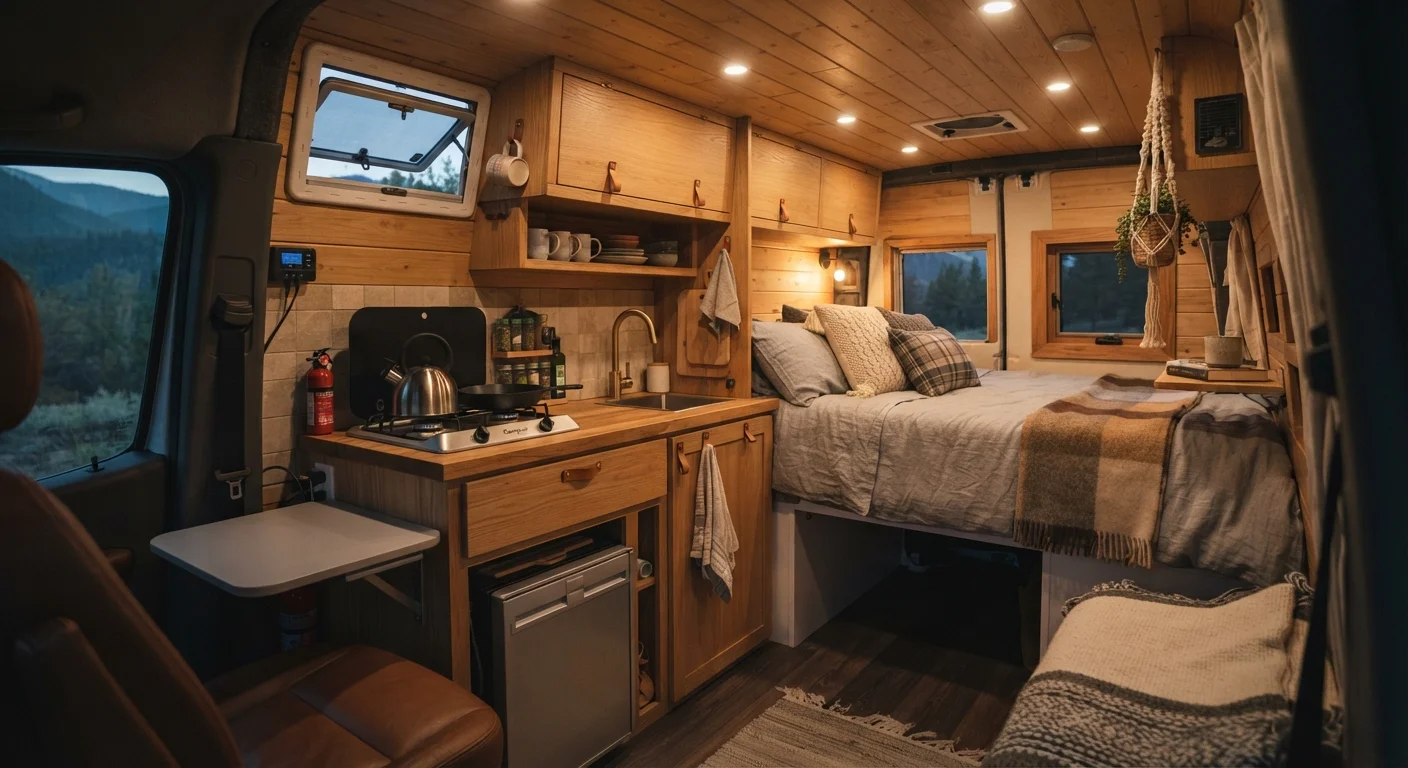
This is where the two diverge most sharply. A full-size cargo van gives you roughly 60 to 75 square feet of usable interior space after a conversion. You will almost certainly be sleeping on a fixed or fold-out bed that doubles as your seating area. A dedicated shower is possible but unusual; most van dwellers use campground facilities or outdoor solar showers.
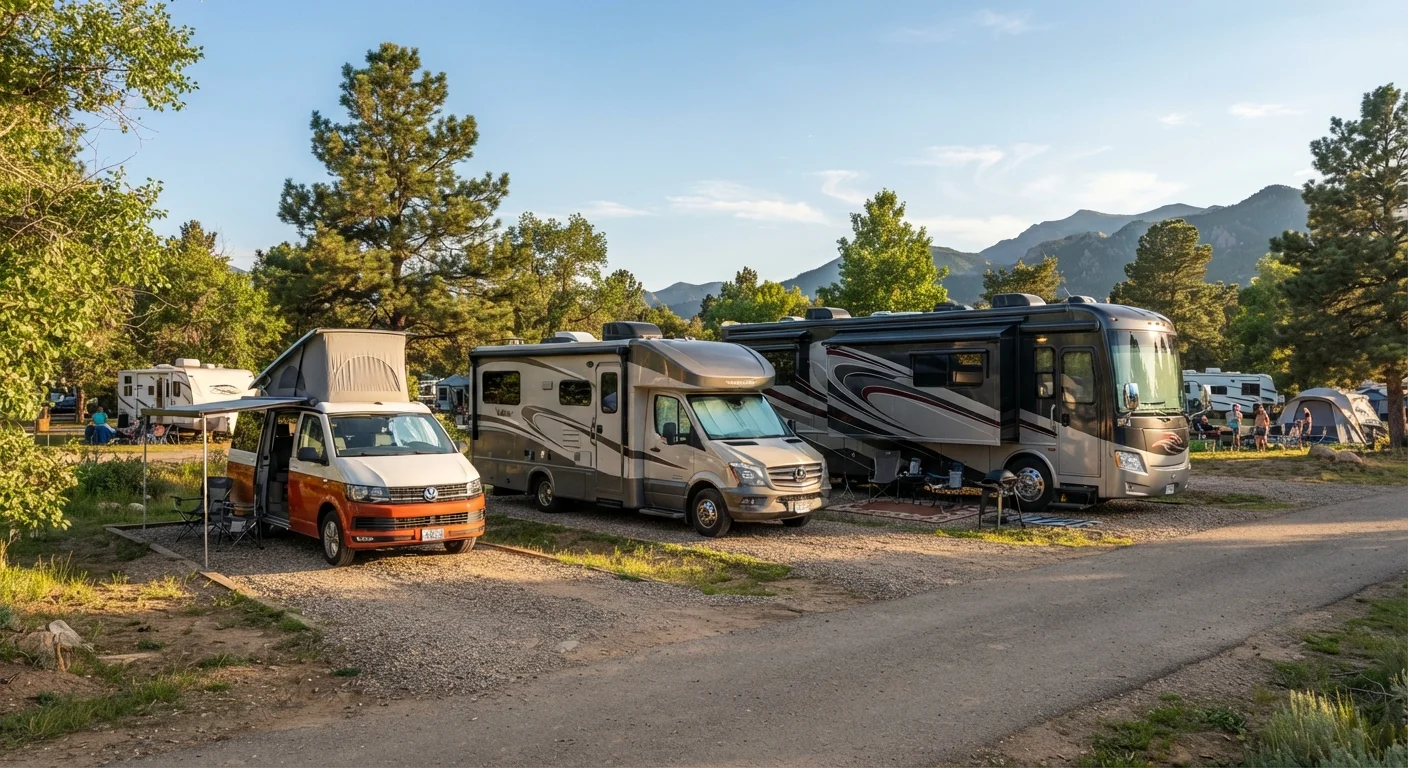
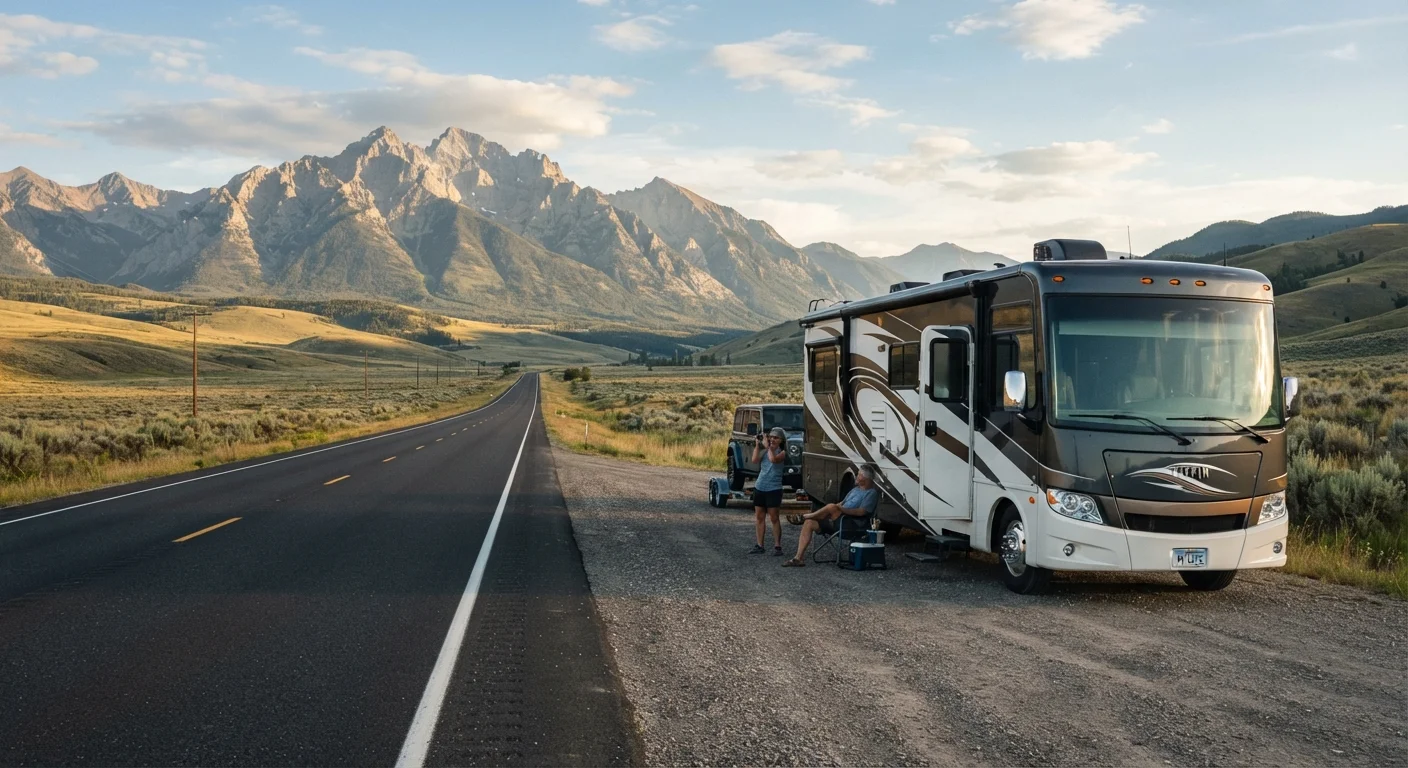
A mid-size Class C RV typically has 200 to 300 square feet, with a separate sleeping area, a bathroom with toilet and shower, a full-height kitchen, and a dining area. A larger Class A can feel closer to a small apartment. That comfort comes at a cost in fuel, campsite fees, and the number of locations where you can physically park.
| Criterion | Van life | RV life |
|---|---|---|
| Typical entry cost (used) | Lower; varies by van age and conversion | Wider range; trailers start lower, motorhomes higher |
| Fuel efficiency | Generally better mpg | Generally lower mpg |
| Living space | 60-75 sq ft after conversion | 150-400+ sq ft depending on class |
| Private bathroom | Rare; usually shared or outdoor | Standard in most units |
| Parking flexibility | High; fits standard spots | Limited; requires larger or designated sites |
| Stealth/urban use | High with plain exterior | Low |
| Setup complexity | High if self-converting | Move-in ready from factory |
| Full-timer suitability (solo/couple) | Workable with planning | More comfortable long-term |
If you are considering different van types before committing to a conversion, comparing cargo, passenger, and conversion vans covers the layout and capacity differences in detail.
Insurance and practical considerations
Insurance for a converted van and insurance for an RV are structured differently, and standard auto policies may not cover a van used as a primary residence or the personal property inside it. RV-specific policies can include coverage for attached accessories, emergency living expenses if the vehicle is damaged, and full-timer coverage for people who live in their RV year-round. Coverage terms, exclusions, and premiums vary by provider and by state, so this article is general information only, not personalized insurance advice. A licensed insurance agent can explain what applies to your situation. For a broader overview, see RV insurance coverage types and what to ask about.
Before buying either a used van or a used RV, a physical inspection matters. Water damage, roof leaks, and failing mechanical systems are common in used units and can be expensive to fix. A checklist of what to examine is in what to inspect before buying a used RV or camper van. If you are not ready to buy, renting versus buying an RV walks through how to weigh that decision honestly.