
What you are actually deciding
The choice between renting and buying an RV is not really about vehicles. It is about how certain you are that RV travel will be a consistent part of your life, and whether you are ready to take on the financial and logistical weight of ownership right now.
Buying an RV is one of the larger purchases most households make. A new travel trailer can start above $35,000, and a Class A motorhome can reach six figures. Even used units carry significant price tags. Beyond the sticker, there are loan payments, insurance, registration, storage, maintenance, and campsite fees. See a full breakdown of annual RV ownership costs for a clearer picture of what those add up to each year.
Renting sidesteps all of that upfront. But it is not free, and the per-trip cost can exceed what an owner spends if you travel often enough.
The case for renting first
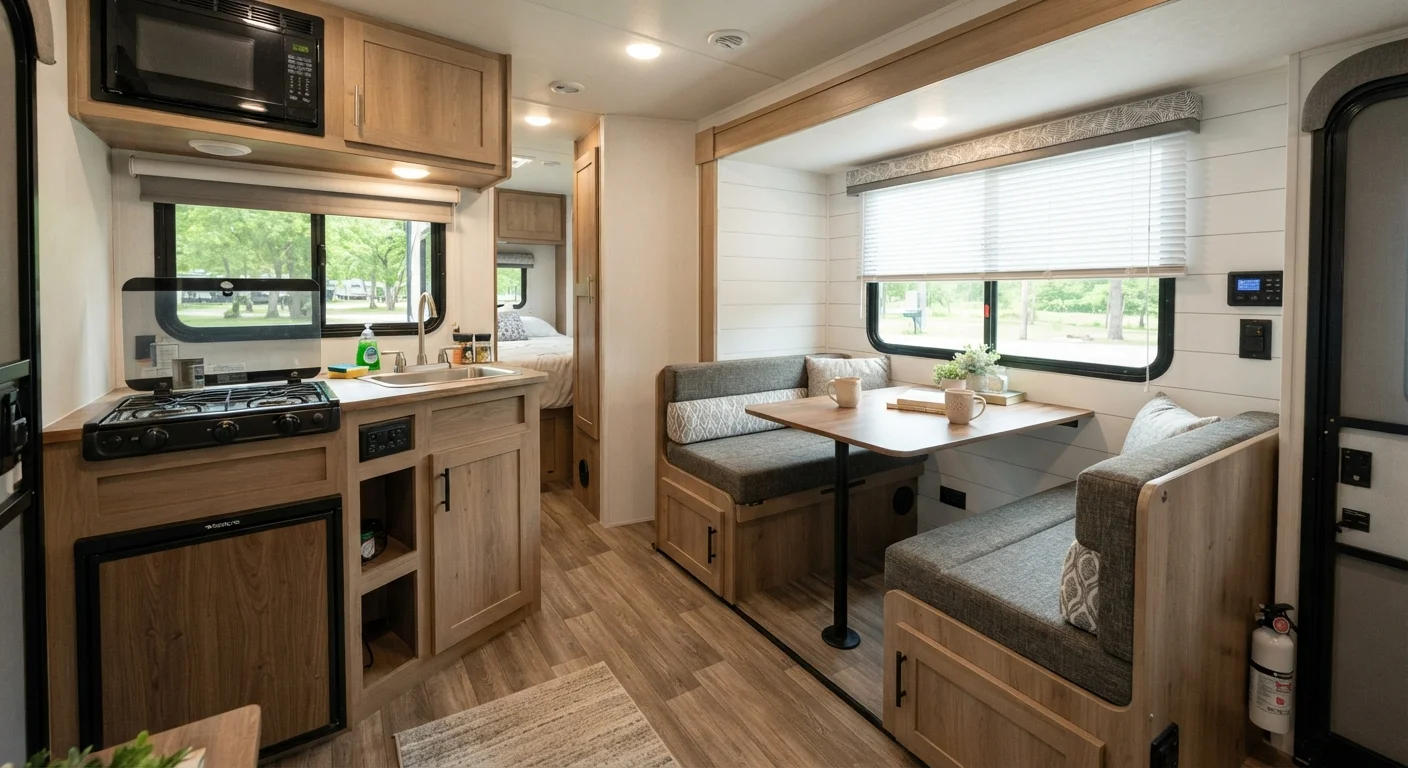
Renting makes the most sense when you are early in the process. Many people assume they know what kind of RV they want before they have actually driven one down a highway, backed into a campsite, or spent a rainy afternoon in a tight dinette. A rental trip or two surfaces those preferences fast.
Low upfront financial commitment
Renting requires no down payment or loan, which keeps cash available for other needs. You pay per trip rather than carrying a depreciating asset year-round.
Test different RV types before committing
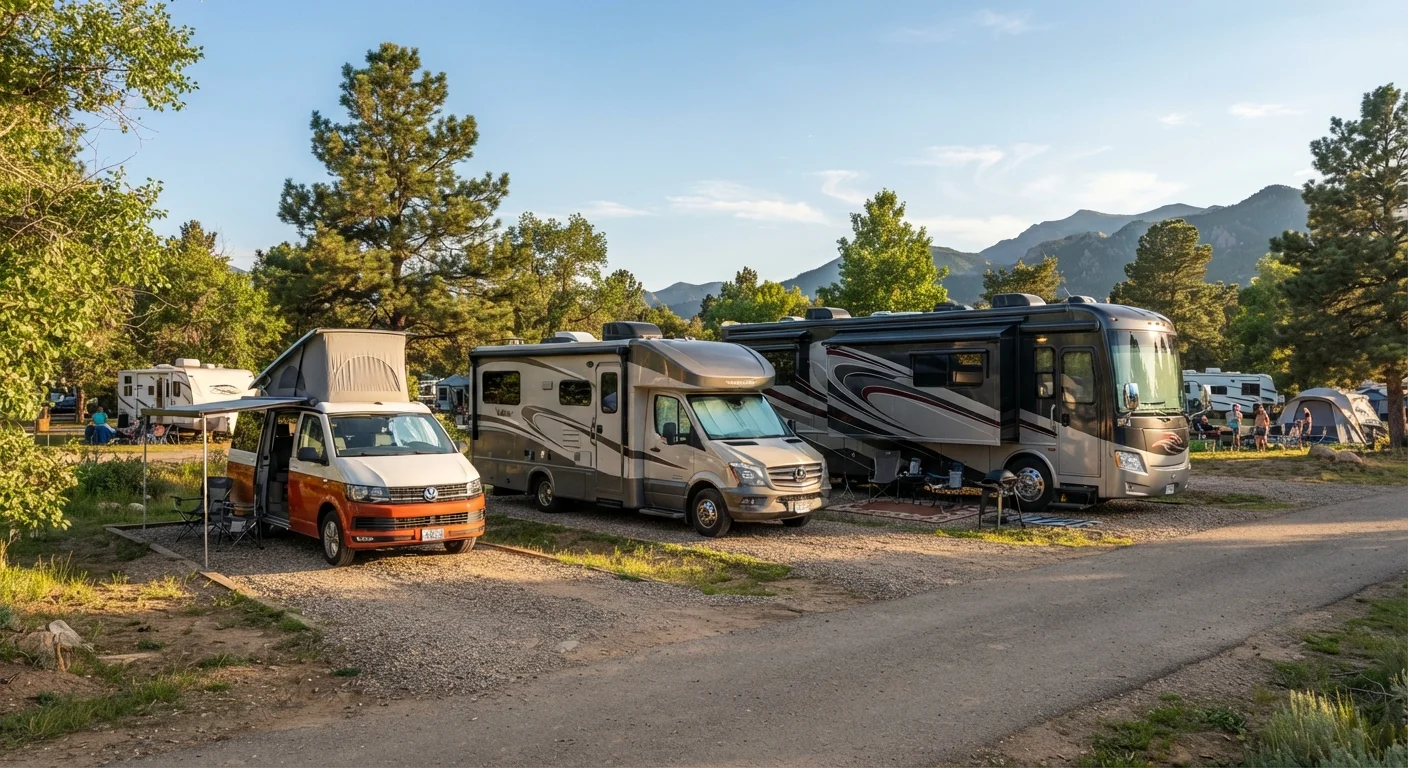
A Class C rental one summer and a travel trailer the next gives you hands-on experience with layouts, driveability, and hookup systems before you spend tens of thousands of dollars.
No storage costs when not traveling
RV storage in the U.S. can run several hundred dollars a month depending on location and unit size. Renters avoid that expense entirely.
Maintenance responsibility stays with the owner
Mechanical issues, roof seals, appliance repairs, and tire replacements fall to the rental company or private owner, not the renter.
Flexibility to try different destinations and seasons
Renting lets you scale trip frequency up or down without the fixed cost of ownership pressing you to use the vehicle to justify the expense.
There is also a practical financial argument. If you travel two or three weeks a year, annual rental costs may be lower than the combined ownership expenses of storage, insurance, and loan interest on a unit that sits idle the other 49 weeks. That math shifts if you start traveling more regularly.
One thing renters give up is continuity. Each new vehicle has different systems, storage layouts, and driveability. That is a real tradeoff for people who want to settle into a routine setup.
The case for buying
Ownership starts to make financial sense when RV travel becomes a regular habit, typically several weeks per year or more. At that frequency, the per-trip cost of renting often exceeds what an owner spends once the rig is paid off and storage is sorted. RV loan structures differ from car loans in some meaningful ways, so it is worth understanding how those terms work before you commit.
Buying also lets you customize. Owners can tailor their setup over time: solar panels, specific hitch hardware, a particular mattress, kitchen gear that stays stocked. The RV becomes a known quantity rather than a guessing game before each trip.
The downsides are real. Depreciation on a new RV can be steep in the first few years. Used units carry their own risks, and a thorough inspection before any purchase matters. What to look at before buying a used RV walks through the systems and records worth checking in person.
Per-trip rental costs add up quickly
A week in a mid-size motorhome can cost $1,500 or more before fuel and campsite fees. Frequent renters may pay more annually than a buyer with a paid-off rig.
Limited customization and personalization
Rental units are generic by design. You cannot modify the layout, add a bike rack, or keep supplies stocked between trips.
Availability can be tight in peak season
Popular summer weeks and holiday weekends see rental inventory run short, which limits when and where you can travel on short notice.
Unfamiliar vehicle each time
Every rental may have different controls, hitch systems, and quirks. That learning curve can add stress at the start of each trip.
No equity or resale value
Rental fees are a pure expense. Owners who buy wisely and maintain their RV retain some resale value, even accounting for depreciation.
This is general information, not financial advice
The figures and considerations in this article are for educational purposes only. RV prices, rental rates, insurance costs, and loan terms vary by provider, region, and individual circumstances. Before making a large purchase or financing decision, read actual contracts carefully and consider speaking with a licensed financial adviser.
How to think through your situation
A few honest questions can guide the decision. How many weeks per year do you expect to travel in the next three to five years? Do you have a reliable place to store an RV when it is not in use? Are you comfortable handling or managing basic maintenance, or willing to pay someone else to do it?
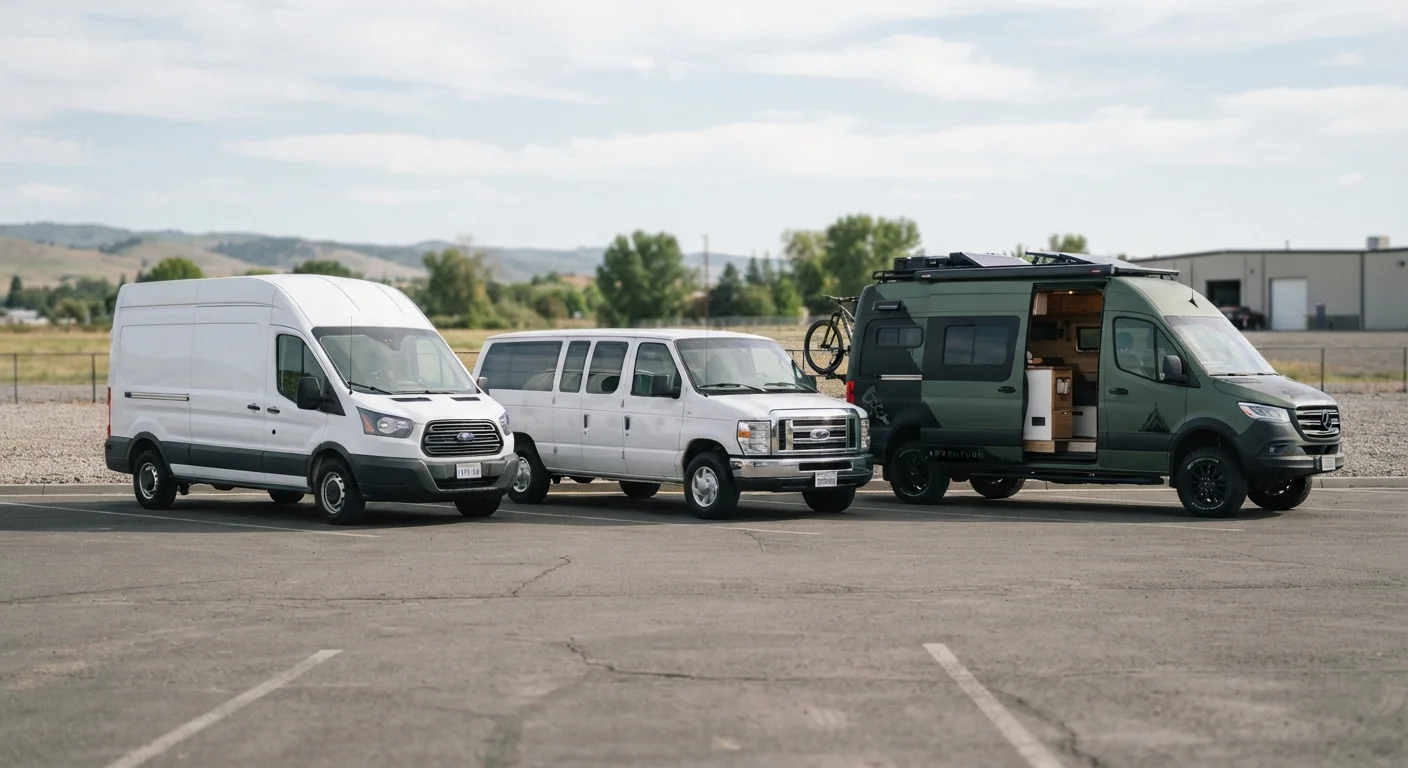
If the answers are uncertain, renting for a season or two costs less than buying the wrong vehicle and selling at a loss. If you already know you want to spend three or four months a year on the road, ownership is worth the planning. Van life versus full RV ownership is a separate question worth considering if you are also weighing smaller vehicle setups.
For people planning their first extended trip, route planning and campsite logistics add another layer of preparation regardless of whether you own or rent.
$35,000+
Typical entry price for a new travel trailer
According to RV Industry Association data, entry-level travel trailers commonly start in this range, with motorhomes running considerably higher.
$1,500-$3,000
Estimated weekly rental cost for a mid-size motorhome
Rates vary by region, season, and RV class; peer-to-peer platforms often price differently from commercial rental fleets.
~$2,000/yr
Average annual RV storage cost
Costs vary widely by location and whether storage is indoor, outdoor, or covered; urban and coastal markets typically run higher.
This article is for general informational purposes only and does not constitute financial, legal, or insurance advice. Coverage terms, loan rates, and costs vary by provider and individual circumstances. Consult a licensed professional before making major financial decisions.