
Why extended trips need more preparation than a weekend
A weekend RV trip is forgiving. If you forget something or misjudge a route, you are back home in two days. A two- or three-week trip across multiple states has more moving parts: campsite availability shifts, fuel costs accumulate, and a mechanical problem can derail the whole schedule.
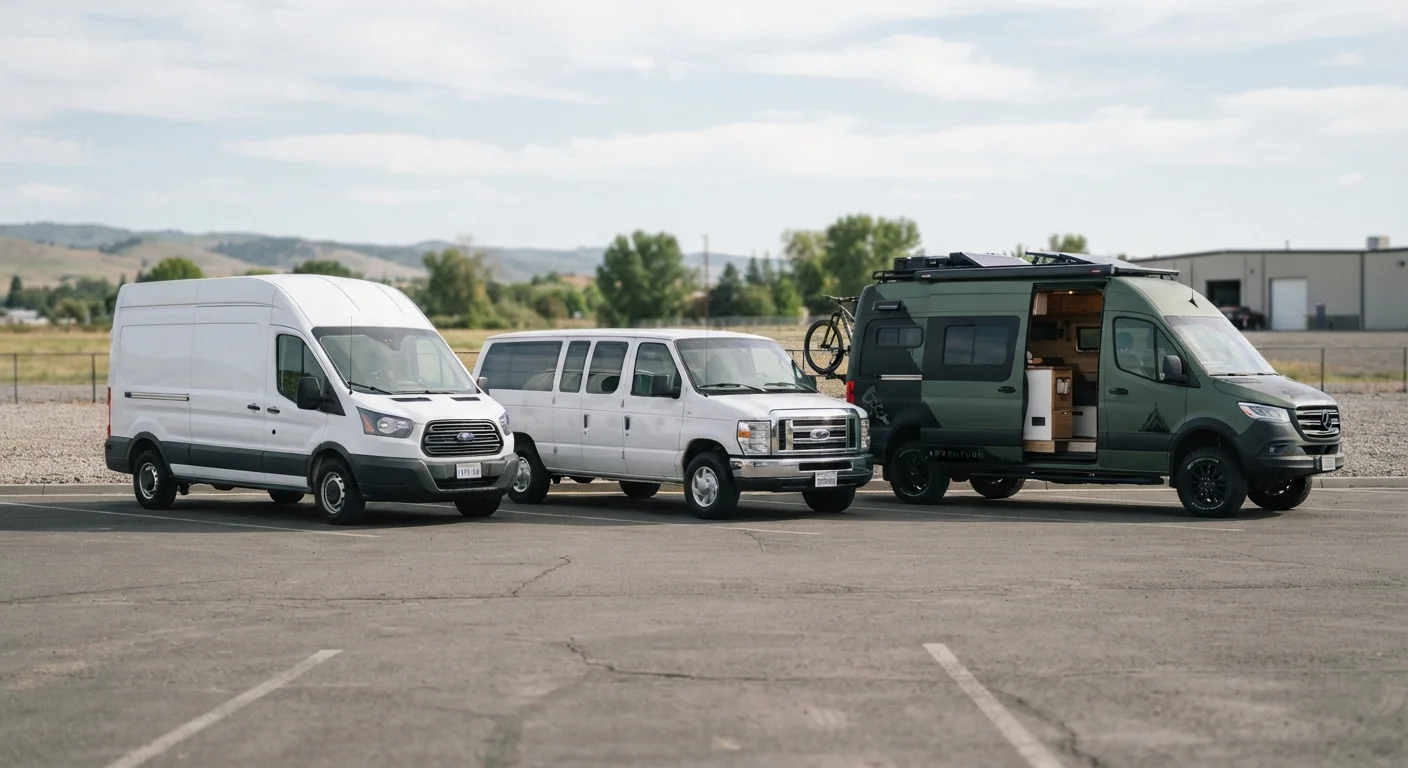
The steps below walk through the planning sequence that experienced RV travelers use, starting with the decisions that take the most lead time and working toward the day-of checks. If you are still deciding whether an RV is the right format for your travel style, comparing van life and RV life can help clarify the tradeoffs before you commit.
What you will need
Tools you will need
Campsite reservation platform
Book sites at federal, state, and private campgrounds in advance.
RV-specific GPS or navigation app
Routes based on your rig's height, weight, and length to avoid low bridges and weight-restricted roads.
Paper or printed backup maps
Reliable fallback when cell service is unavailable in remote areas.
Tire pressure gauge and portable inflator
Check and correct tire pressure before and during the trip.
Carbon monoxide and propane detector
Monitor for gas leaks inside the living space while cooking or sleeping.
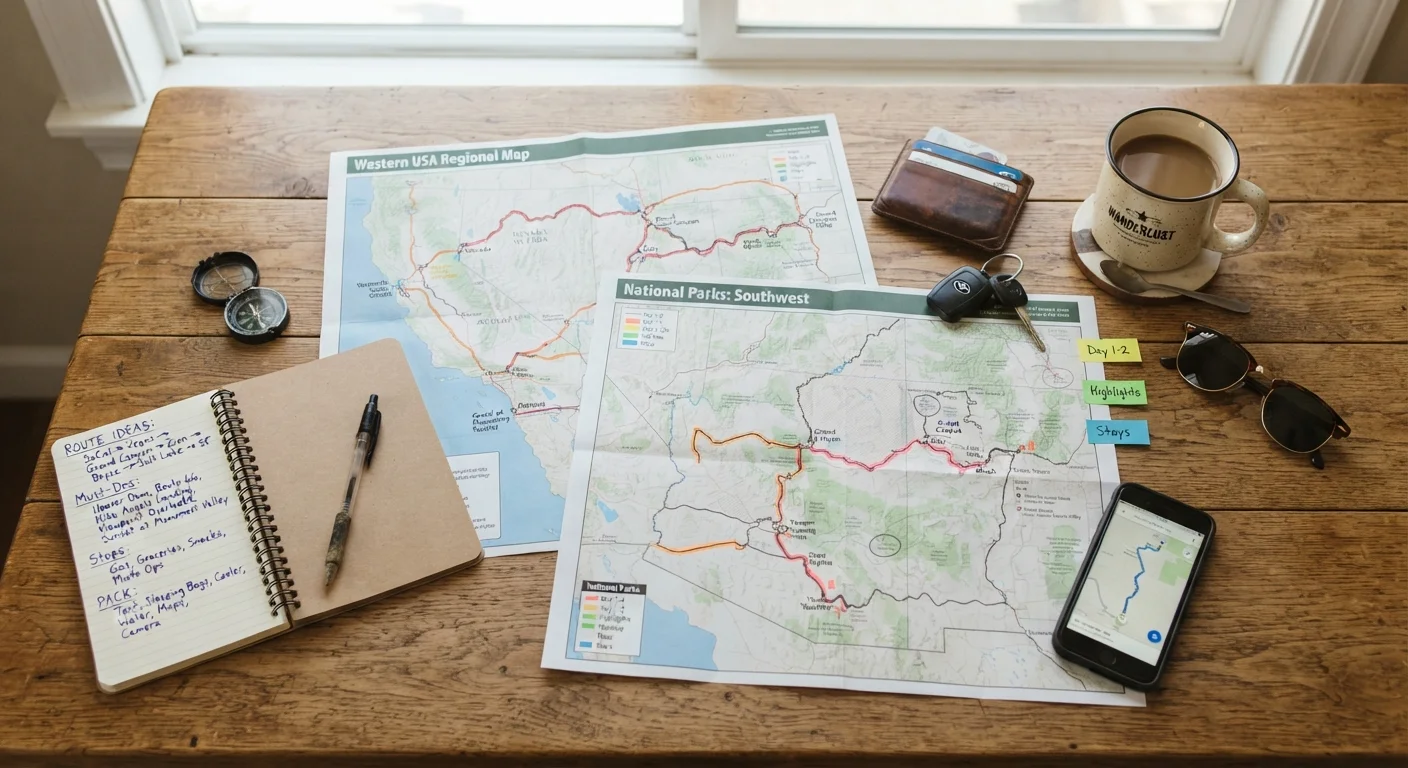
Step-by-step planning process
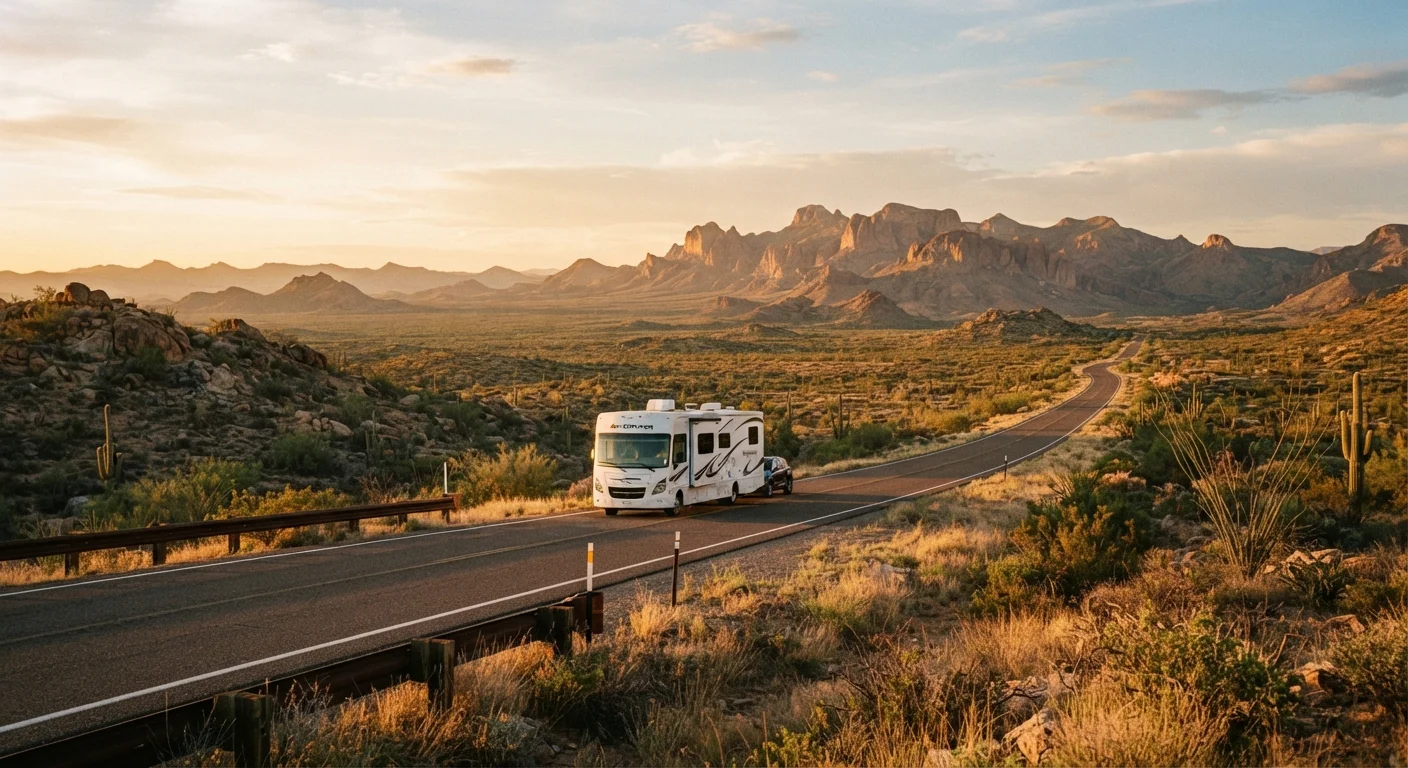
Map your route around your RV's limits
Before you plot any destinations, write down your RV's height, length, gross vehicle weight rating (GVWR), and tow rating if applicable. These numbers determine which roads, tunnels, and bridges are actually open to you. A standard car GPS will send a 13-foot-tall motorhome straight into a low railroad overpass.
Use an RV-specific navigation app and cross-check any mountain passes or canyon roads against state transportation department restrictions. Some scenic routes prohibit vehicles over a certain length entirely.
Set a realistic daily driving target
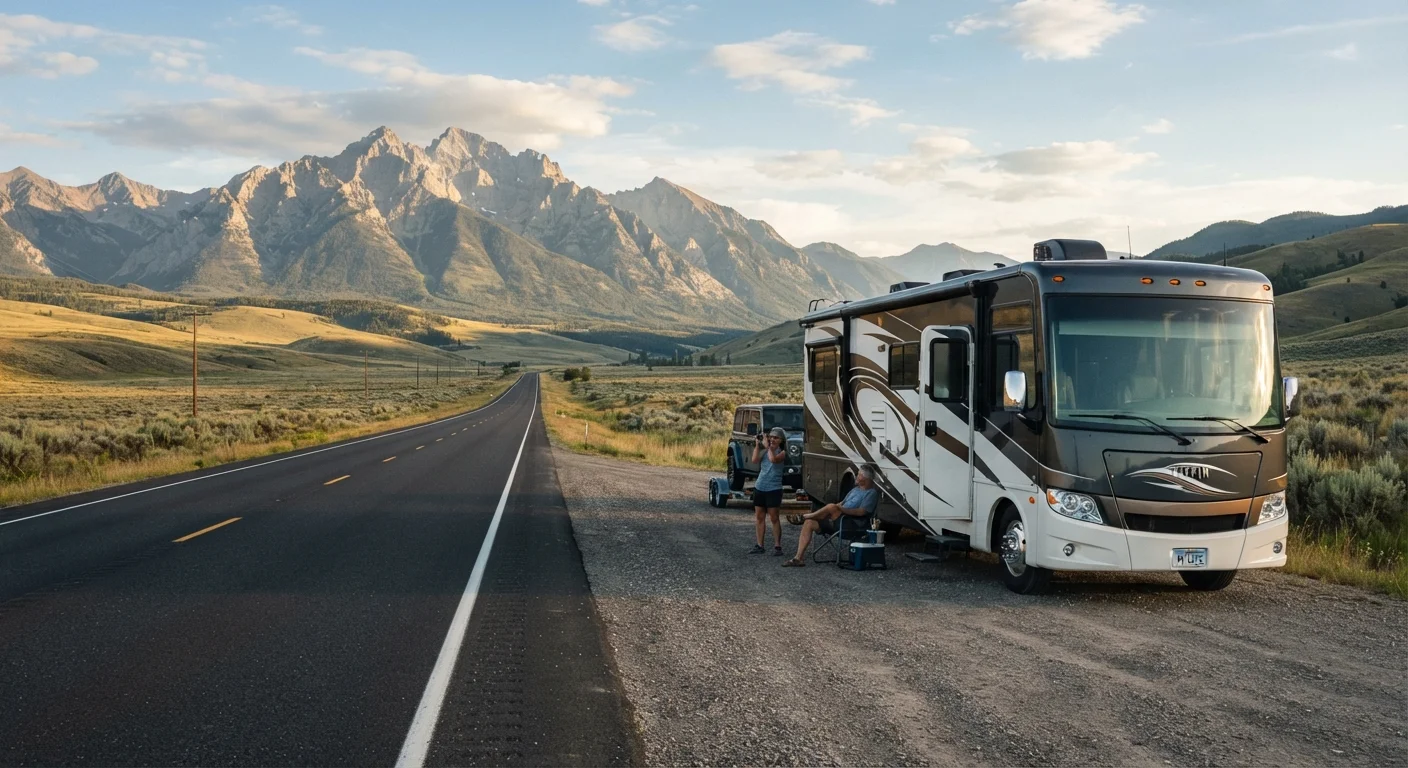
Most experienced RV travelers suggest keeping daily driving to 200 to 300 miles. An RV handles differently from a car: wind buffeting, slower braking, and the need to find appropriate parking at fuel stops all add time and fatigue. On winding or hilly terrain, plan for even less.
Build one or two full rest days into a two-week itinerary. These buffer days absorb minor delays and give you time to explore without the pressure of moving on.
Reserve campsites well in advance
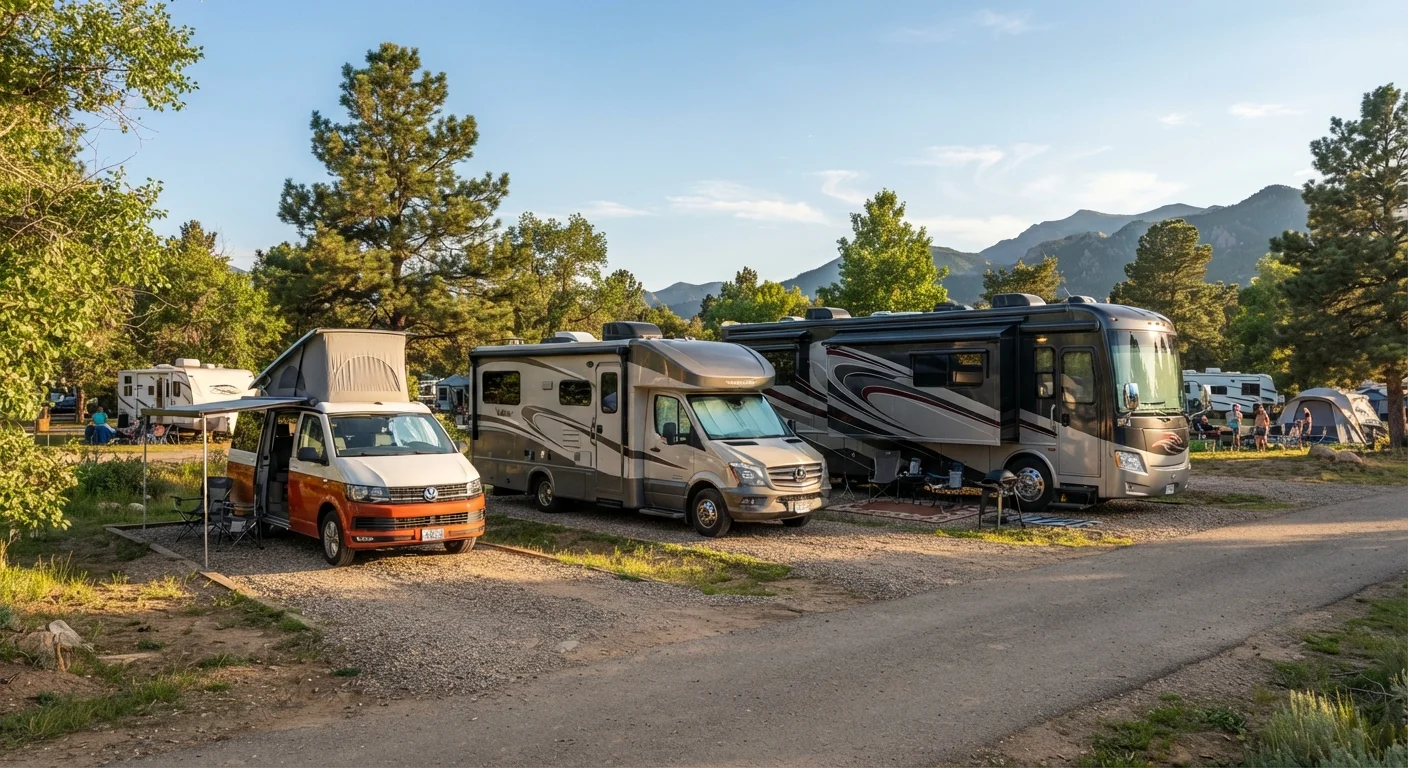
Popular federal campgrounds (National Park sites in particular) book up months ahead, especially for summer travel. State park campgrounds vary widely: some states allow reservations six months out, others open windows just a few weeks ahead.
For a multi-week trip, plan a mix of reserved sites and more flexible private campgrounds or dispersed public land where advance booking is less critical. Keep a list of backup options for each night in case your first choice is full.
Build a realistic trip budget
Fuel is typically the largest variable cost. Estimate your RV's miles per gallon (often 8 to 14 mpg for a Class A or Class C motorhome), calculate expected mileage, and price current fuel along your route. Add campsite fees, which range from free on public land to $60 or more per night at full-hookup private parks.
Set aside a repair reserve. Even a well-maintained RV can develop a tire blowout, a water pump failure, or a slide-out issue on the road. A general guideline is to hold back 10 to 15 percent of your total budget for unexpected costs, though the right amount depends on your rig's age and condition. For a fuller picture of annual ownership costs, see what RV ownership actually costs.
Stock supplies matched to your holding tank capacity
Your fresh water tank, gray water tank, and black water tank all have fixed capacities. Know those numbers. On a trip with full hookups every night, this matters less. On a route with two or three nights of dry camping between dump stations, it determines whether you run out of water on day two.
Stock food, medications, and first-aid supplies for at least two extra days beyond your planned itinerary. Remote areas can have limited stores, and a weather delay or road closure can strand you longer than expected.
Complete a pre-departure safety inspection
Walk through these checks before any extended trip:
- Tire pressure and tread depth on all tires, including the spare
- Brake function and fluid level
- All exterior lights (headlights, brake lights, turn signals, running lights)
- Propane connections and detector function
- Roof seams and slideout seals for cracks or gaps that could let in water
- All hitch connections and safety chains if towing
If you are unsure about any system, have a qualified RV technician inspect it before departure, not mid-trip. A mechanical problem in a remote area is far more expensive and disruptive to address than one caught at home.
Keep a trip folder with key documents
Store your campsite confirmation numbers, emergency contacts, roadside assistance info, and a basic maintenance log in one folder, physical or digital. When something goes wrong at mile 800 in an unfamiliar state, having this information immediately at hand saves real time.
What to expect once you are on the road
Even a well-planned trip will not go exactly as written. Campgrounds fill up, weather reroutes you, and a town you planned to pass through might turn into a two-day stop. Treat the itinerary as a framework, not a contract.
Keep your vehicle documents, insurance cards, and roadside assistance information in an easy-to-find location. If you financed your RV, your lender may require you to carry specific insurance coverage while traveling. If you are still working out the financing side, how RV loans generally work covers the basics. And if you bought used and have not had a thorough inspection yet, what to inspect on a used RV is worth reviewing before a long trip.
This article provides general travel planning information only. Insurance requirements, road restrictions, and campground policies vary by location and change over time. Consult your insurance provider, a licensed agent, and relevant state or federal agencies for guidance specific to your situation.