
Why the sticker price is just the beginning
An RV listed at $45,000 sounds like a defined number. What it does not include is the several thousand dollars a year that come after you sign. Fuel, insurance, campsite fees, maintenance, storage, and the occasional repair are all recurring costs that vary by how much you use the vehicle and where you take it.
Getting a handle on these costs before you buy is the most useful thing you can do. If you are still weighing whether ownership is right for you at all, the comparison in renting vs. buying an RV is worth reading first. If you are closer to a decision, the breakdown below gives you a framework for building a realistic annual budget.
Fuel: the cost that changes every trip
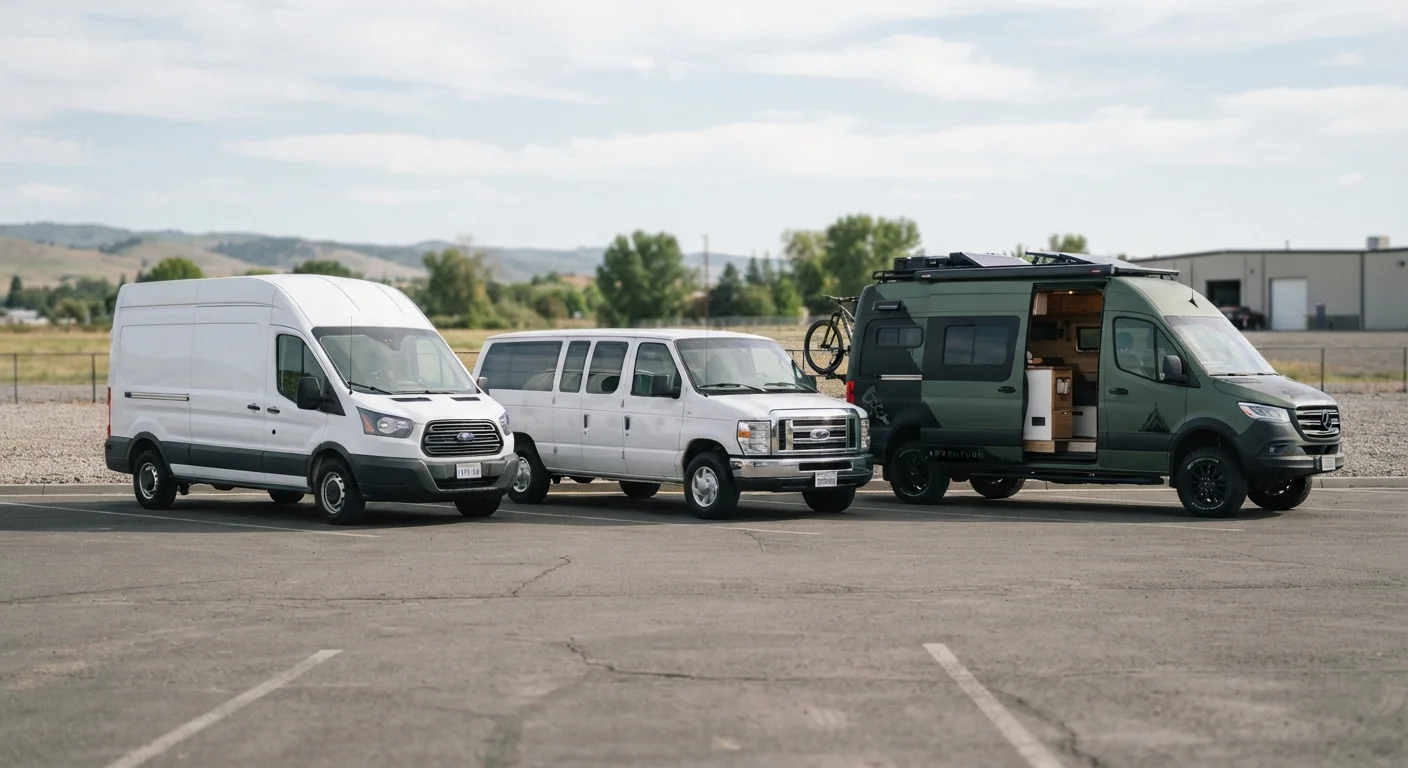
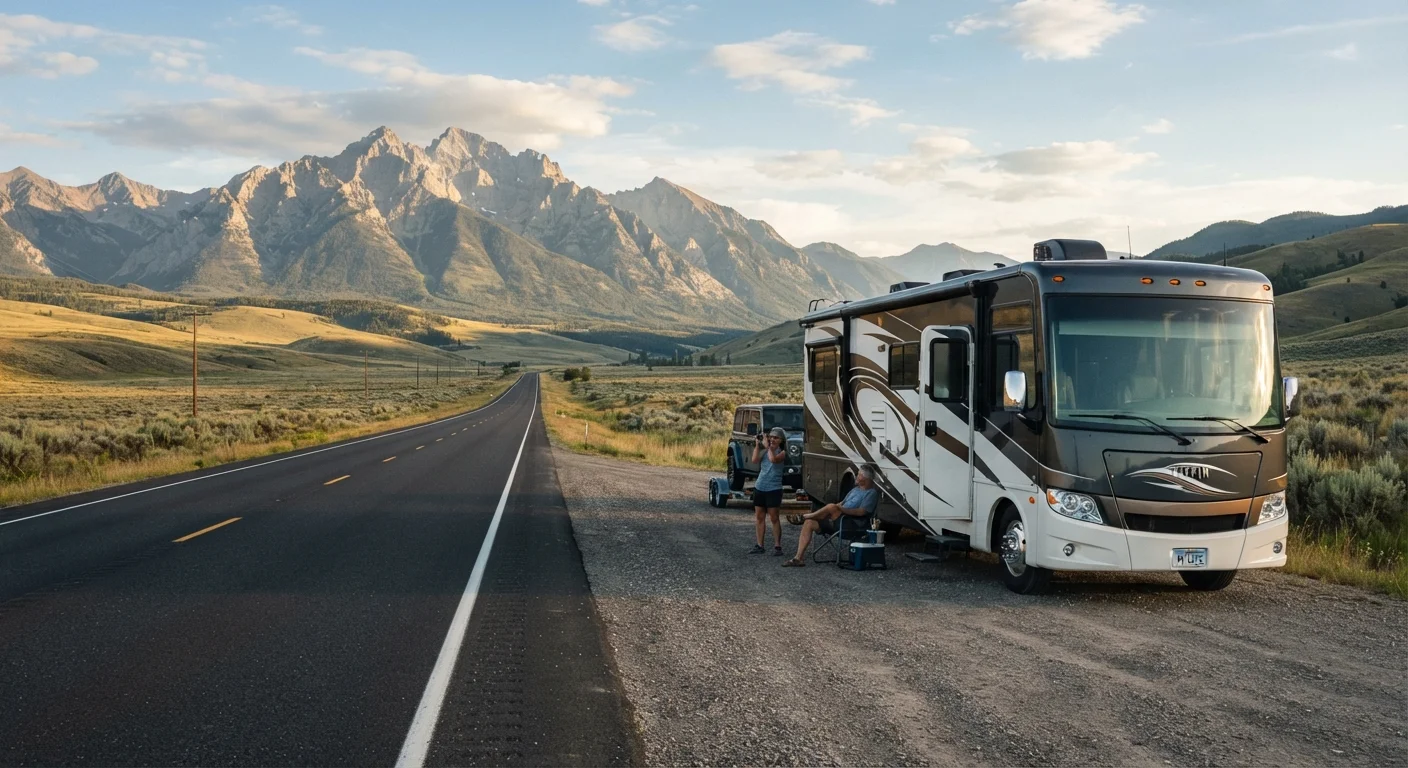
Fuel is typically the largest variable expense in RV ownership. A Class A gas motorhome may average 8 to 10 miles per gallon. A large Class A diesel pusher often gets 7 to 9 mpg. A Class B camper van, built on a cargo van chassis, can return 18 to 22 mpg. Those differences translate directly into trip cost.
On a 5,000-mile driving year, a motorhome averaging 8 mpg burns about 625 gallons of fuel. At $3.50 per gallon, that is roughly $2,200. At $4.50 per gallon, it is closer to $2,800. A camper van doing the same mileage at 20 mpg uses 250 gallons, cutting that range in half. Fuel prices fluctuate, so leave room in your budget rather than anchoring to a single estimate.
6-10 mpg
Typical fuel economy for large Class A motorhomes
General range cited across RV industry guides; actual figures vary by vehicle weight, engine, and driving conditions.
$40-$80/night
Average private campground rate with full hookups
Typical range for full-hookup sites in the U.S.; rates vary widely by location and season.
$1,500-$2,000/yr
Recommended minimum annual maintenance reserve
General budgeting guidance from RV ownership resources; older or heavily used units may require more.
Insurance: more than a standard auto policy
Motorized RVs require their own insurance policy, distinct from a personal auto policy, because they combine vehicle liability with what is effectively a dwelling. Coverage categories typically include liability, collision, comprehensive, personal property inside the unit, and emergency roadside assistance. If you plan to live in the RV full time, you will generally need a full-timer policy, which works more like homeowner's insurance in some respects.
Towable RVs, such as travel trailers and fifth wheels, may have liability covered by your tow vehicle's policy while in motion, but the trailer itself usually needs a separate policy for physical damage. Premiums depend on the RV's value, your driving history, where you store it, and how often you use it. This is general information; your actual costs and coverage needs depend on your situation. Consult a licensed insurance agent before making any coverage decisions. For broader context on how vehicle insurance works, see auto insurance basics.
Campsite fees and destination costs
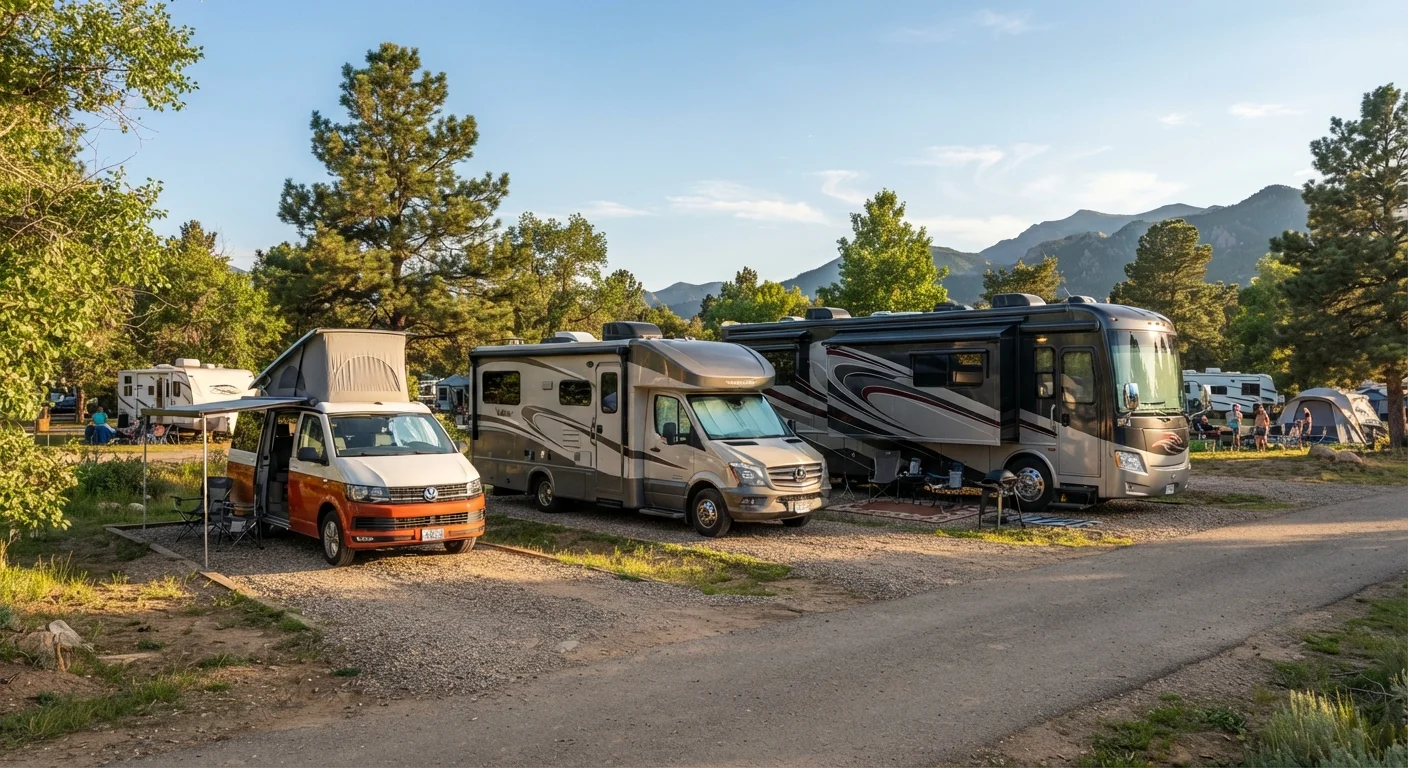
A night at a private campground with full hookups (electricity, water, and sewer) commonly runs $40 to $80 in many parts of the country, though rates in popular destinations can go higher. National Forest dispersed camping and many Bureau of Land Management sites are free or low-cost, but they require the RV to be self-contained. State park rates typically fall between these two extremes.
An owner who camps 30 nights a year at an average of $50 per night spends $1,500 on campsites before factoring in park entrance fees, dump station fees at sites without sewer hookups, or the cost of a membership program that discounts nightly rates. For anyone planning a longer trip, see planning your first extended RV road trip for a practical look at how those costs stack up across several weeks.
Maintenance and repairs
An RV has two distinct systems that both need attention: the vehicle or tow platform, and the living space. The vehicle side follows a schedule similar to other large trucks or vans, covering oil changes, tire rotations, brake inspections, and transmission service. The living space adds roof resealing, slide-out lubrication, water heater flushing, propane system checks, and generator servicing.
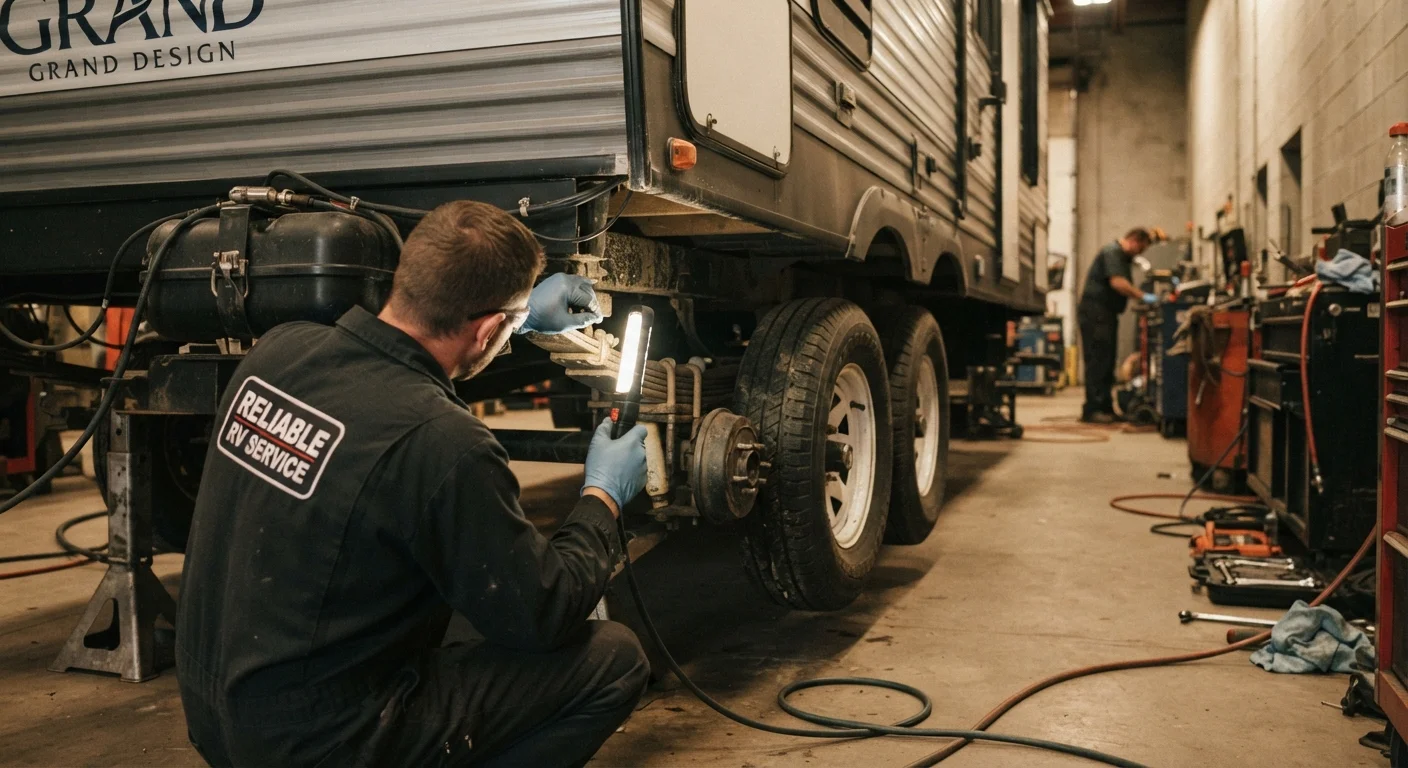
Roof maintenance alone is worth taking seriously. A failed roof seal that goes unnoticed can allow water into the walls, turning a $150 tube of sealant into a $5,000 interior repair. Tires on large RVs also age faster than they wear, and a blowout at highway speed is dangerous. Most technicians recommend replacing RV tires every five to seven years regardless of tread depth.
Budget at least $1,500 to $2,000 per year for routine maintenance and set aside an additional amount for unexpected repairs. Older units and those used heavily will need more. Before buying used, a pre-purchase inspection by a qualified RV technician is money well spent. Our guide on what to inspect before buying a used RV walks through what that inspection should cover.
Build your budget before you shop
Before visiting a dealership or private seller, write out your expected annual fuel, insurance, campsite, maintenance, and storage costs for the specific type of RV you want. Add those figures to any estimated loan payment. That total monthly number is what you are actually committing to, not just the sticker price.
Storage and financing costs
If you cannot park an RV at home, storage is a fixed monthly expense. Open-lot storage ranges from roughly $50 to $150 per month in many markets; covered storage runs $100 to $250; indoor climate-controlled facilities often start around $200 and can exceed $500 in high-demand areas. Over a year, storage alone can add $1,200 to $4,000 to your total cost.
Financing adds another layer. RV loans can carry terms of 10 to 20 years, and interest rates depend on credit history, loan amount, and whether the loan is secured by the RV. A longer term lowers the monthly payment but increases total interest paid. How RV and van loans generally work covers the structure of these loans in more detail. For a broader look at auto financing, auto loan basics provides useful background.
When you add fuel, insurance, campsites, maintenance, and storage, a moderately used motorhome can cost $8,000 to $12,000 per year to operate, on top of any loan payment. A lightly used travel trailer with home storage might come in well under $5,000. Running these numbers for your specific situation before you buy gives you a much clearer picture than the sticker price alone.
This article is for general informational purposes only and is not financial, insurance, or legal advice. Costs, coverage, and loan terms vary by individual circumstances, provider, and location. Consult a licensed financial adviser, insurance agent, or other qualified professional for guidance specific to your situation.