
Why RV insurance is not the same as car insurance
A standard personal auto policy is built around a vehicle that takes you to work, errands, and occasional trips. An RV combines transportation with living quarters, and that mix creates risks an auto policy was never written to address.
A motorhome can contain kitchen appliances, furniture, electronics, and personal belongings. Some owners live in them full time. Others store them for months each winter. Each of those situations creates different coverage needs, and insurers have developed RV-specific products to handle them.
Towable units (travel trailers, fifth wheels) add another wrinkle. They do not have their own engine, so they are not registered as motor vehicles in most states, and they are not automatically covered by the tow vehicle's auto policy beyond basic liability pass-through. A separate policy is typically needed to cover physical damage to the trailer itself.
For a broader picture of what RV ownership costs overall, see the real costs of owning an RV, which covers insurance alongside fuel, maintenance, and storage.
This article is general insurance information only and is not personalized insurance or legal advice. Coverage, terms, exclusions, and state requirements vary by provider and policy. Read your policy documents carefully and consult a licensed insurance agent for guidance specific to your situation.
The main coverage types to know
RV policies are modular. You choose a base of required or lender-required coverages and add optional ones based on how you use the vehicle.
Liability coverage
Pays for bodily injury or property damage you cause to others in an accident. Most states require a minimum amount for motorized vehicles.
Collision coverage
Pays to repair or replace your RV after it is damaged in a collision with another vehicle or object, regardless of fault.
Comprehensive coverage
Covers damage to your RV from events other than collisions, such as fire, theft, hail, or falling objects.
Full-timer coverage
A policy type for people who live in their RV full time. It adds protections similar to a homeowners policy, including personal liability and belongings coverage.
Agreed value vs. actual cash value
Agreed value means the insurer pays a set amount you and the insurer agreed on at policy start. Actual cash value deducts depreciation, so a payout may be less than what you paid.
Uninsured motorist coverage
Pays for your injuries or vehicle damage when the at-fault driver has no insurance or not enough to cover your losses.
Liability covers injury or property damage you cause to others. Every state sets minimum amounts for motorized RVs, but those minimums are often low relative to the actual cost of a serious accident. State minimum auto insurance requirements explains what minimums generally mean and why many owners carry more.
Collision and comprehensive protect the RV itself. If your lender financed the purchase, both are typically required. RV and van loan structures covers what lenders commonly require.
Uninsured/underinsured motorist coverage steps in when the other driver cannot pay. Given the repair costs of a large motorhome, this coverage is worth asking about even if your state does not require it.
Personal belongings coverage protects items inside the RV, such as clothing, gear, and electronics. Sub-limits vary, so check what amount the policy actually pays, not just whether the coverage exists.
Emergency expense coverage can reimburse lodging and travel costs if your RV breaks down far from home and needs extended repairs. This is distinct from roadside assistance, which handles towing and on-site service calls.
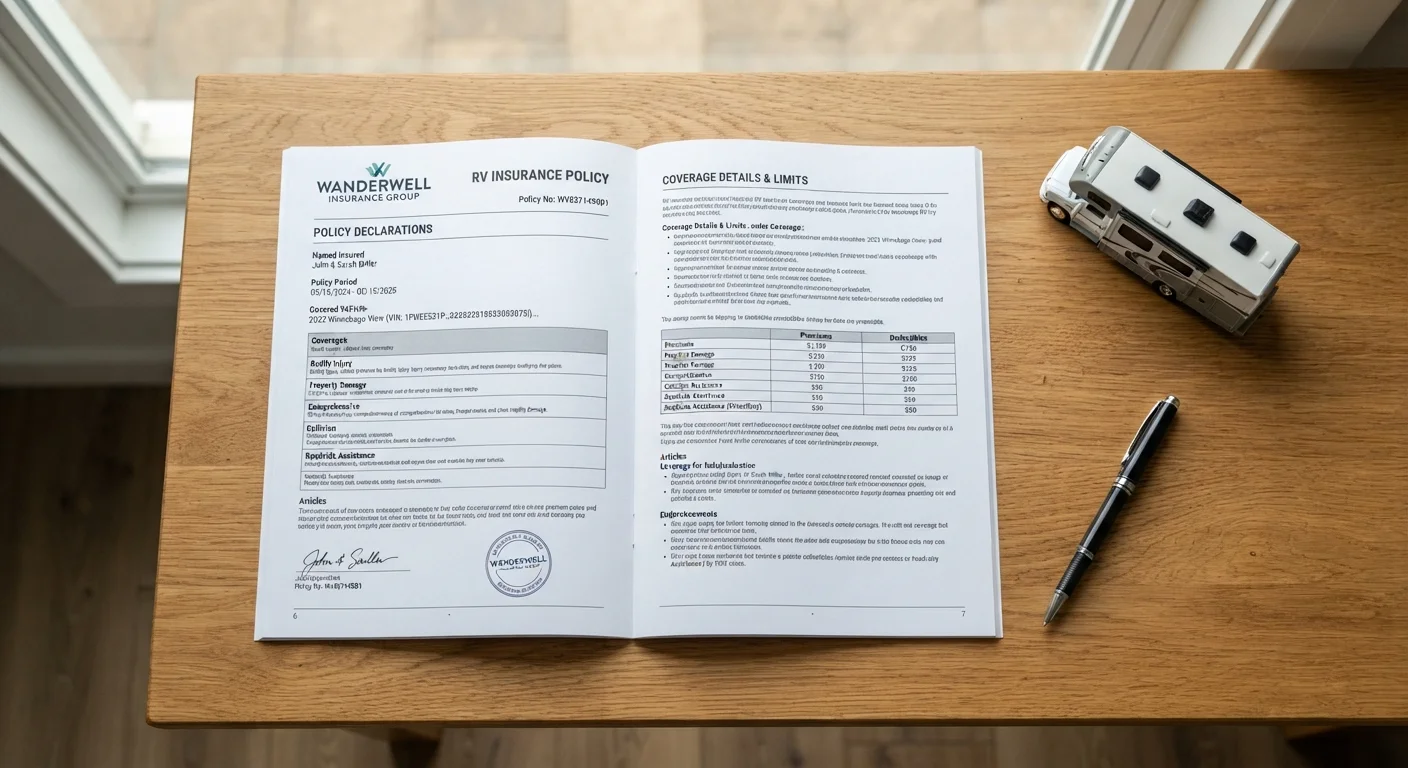
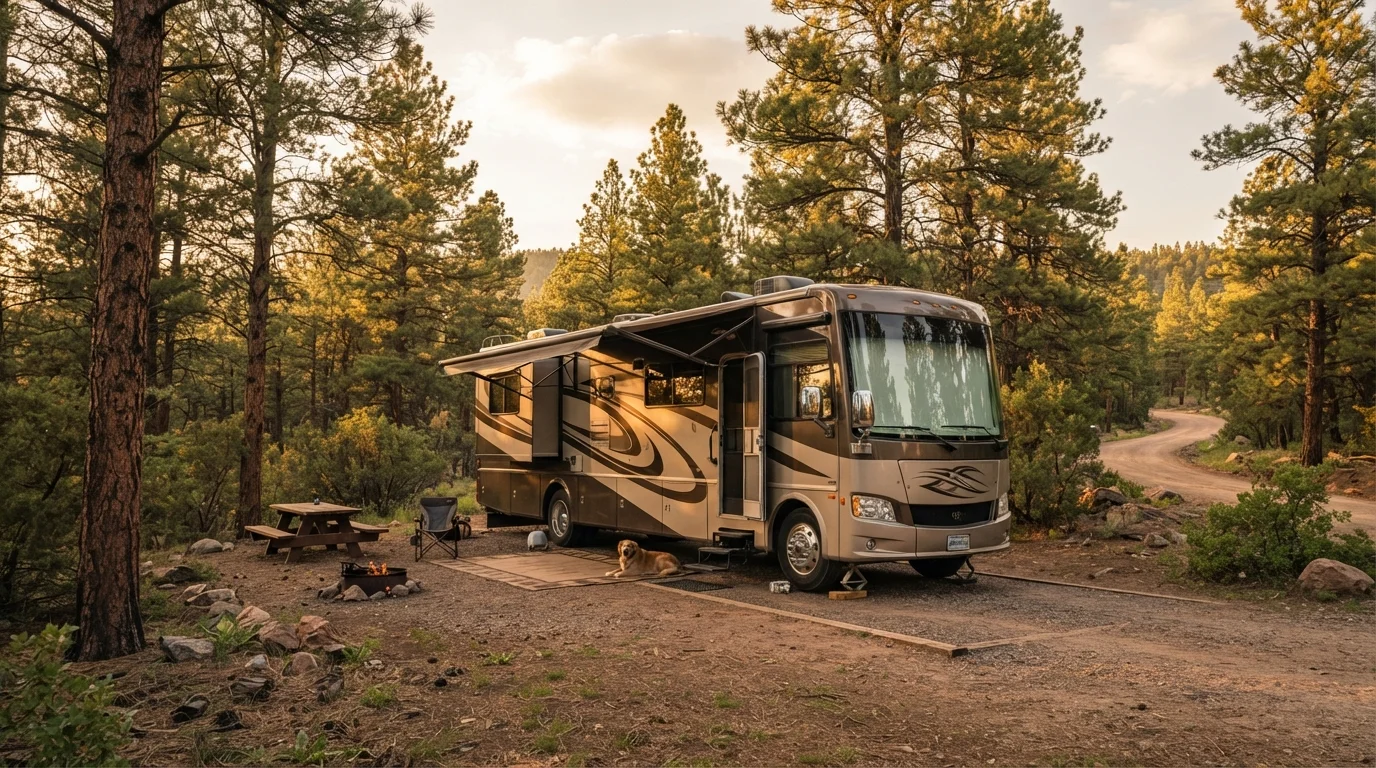
Full-timer coverage is for owners who use the RV as a primary residence. Without it, a standard RV policy may treat full-time occupancy as a gap, leaving personal liability and belongings largely unprotected.
Factors that affect your premium
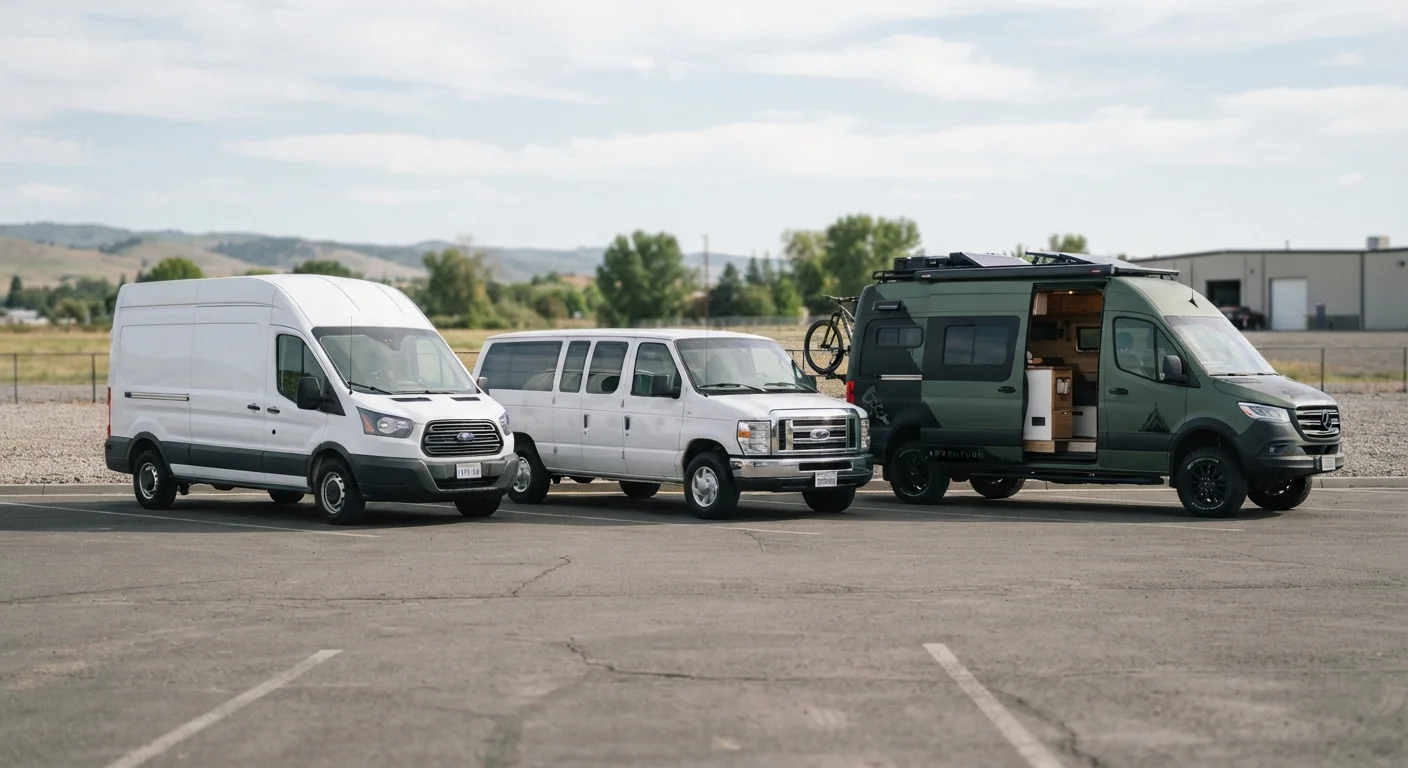
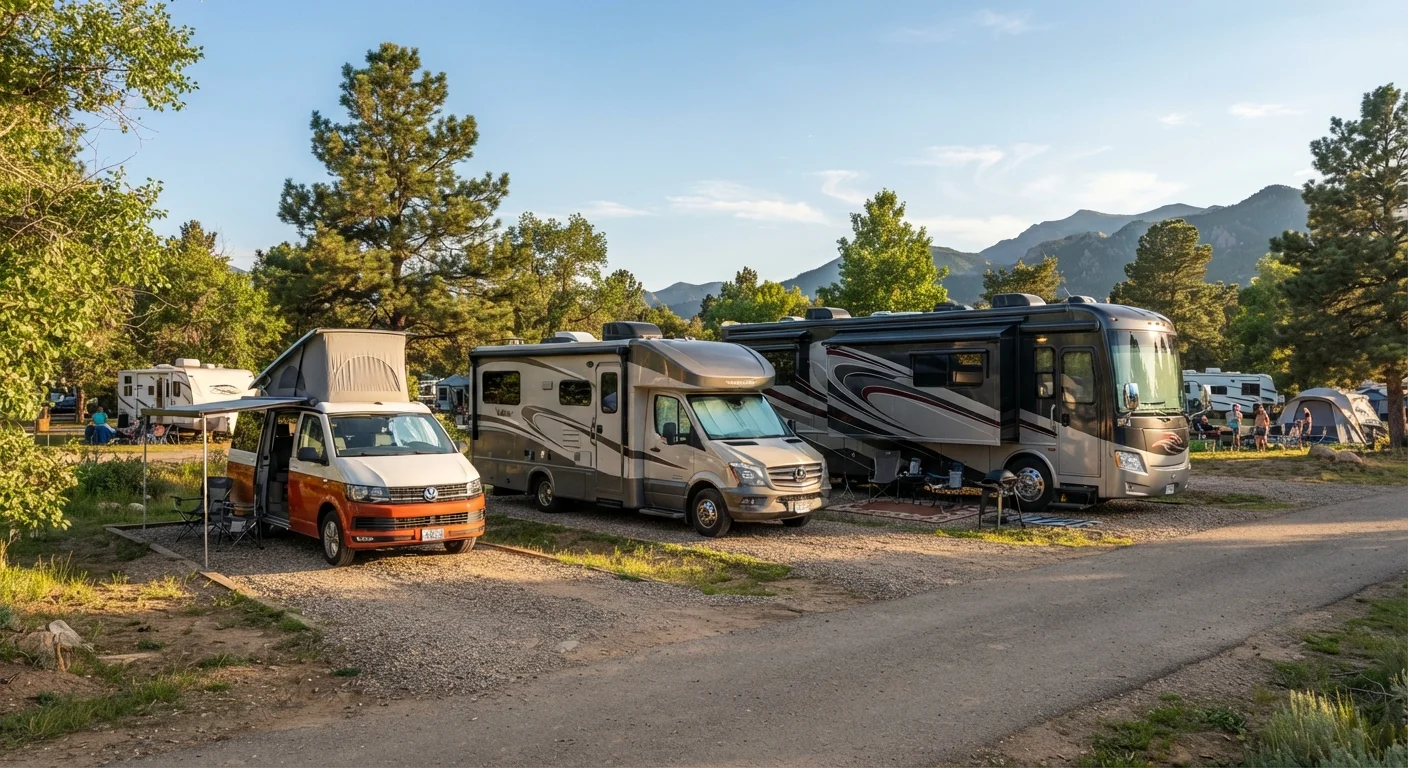
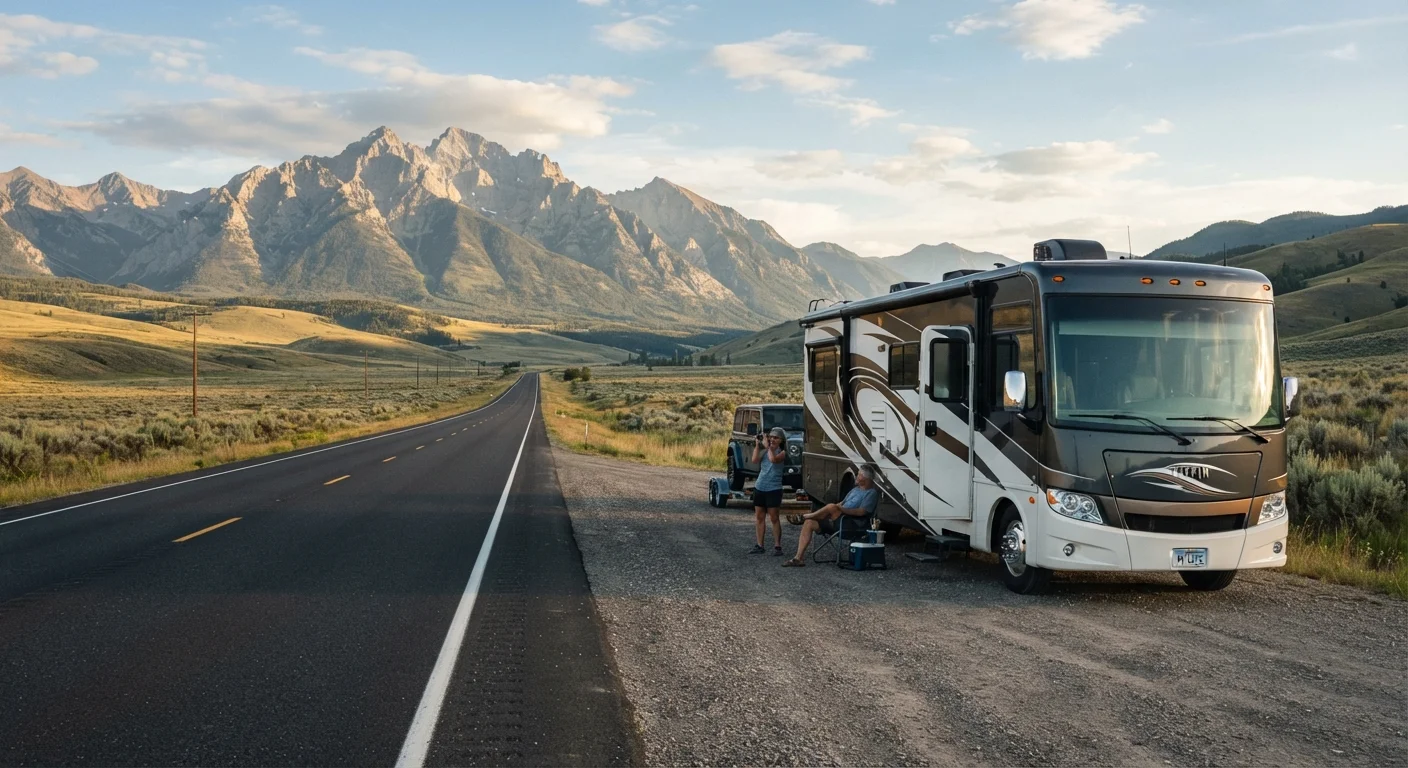
- RV class and type. Class A motorhomes are the largest and generally the most expensive to insure. Smaller Class B campervans and Class C motorhomes typically carry lower premiums. Towable units are priced differently still.
- Vehicle value. A higher purchase price means higher potential payouts, which affects the premium. Whether the policy uses agreed value or actual cash value also matters for what you collect after a total loss.
- How often you use it. Seasonal use policies often cost less than year-round coverage because a stored RV is not on the road accumulating accident risk.
- Driving history. At-fault accidents and moving violations on your record can raise rates, just as they do for auto insurance.
- Where you store it. A climate-controlled indoor facility may carry a lower theft or weather damage risk than an open lot, and some insurers price that difference into the premium.
- Full-time vs. part-time use. Full-time occupancy typically requires additional coverage and usually comes with a higher premium than a policy written for vacation use.
If you are comparing the van lifestyle to the RV lifestyle and wondering how insurance fits into each, van life vs. RV life covers how the two paths differ in cost and practicality.
Questions to ask a licensed agent
Before you commit to a policy, a licensed agent can walk you through the specifics. The questions below give you a starting framework.
- Does this policy cover the RV while it is parked and being used as a residence, or only while it is in transit?
- Is personal belongings coverage included, and what are the sub-limits per item or per category?
- How does the policy handle depreciation? Does it pay agreed value or actual cash value after a total loss?
- What happens if I let a family member or friend drive the RV? Are occasional drivers covered, and are there restrictions? (The answer can depend on how drivers are listed. Named driver vs. occasional driver rules explains the general principle.)
- Does the policy include roadside assistance, or is that a separate add-on?
- Are there exclusions for specific types of trips, such as international travel into Mexico or Canada?
- What are the conditions for filing a claim, and what documentation does the insurer require?
Comparing policies side by side before signing is worth the time. An auto insurance shopping checklist offers a practical framework that translates well to RV insurance comparisons.